

ADA Compliant Website Design & Optimization Services
- WCAG 2.1 Level AA as the baseline for every build and audit
- New ADA compliant web design with accessibility built in from the first wireframe
- Remediation for existing sites through technical audits and code fixes
- Ongoing monitoring to catch new accessibility issues early


"*" indicates required fields









Why ADA and Website Compliance Matters
- Lower Legal & Financial Risk
- More Customers You Can Reach
- Better UX & Search Visibility
The Americans with Disabilities Act was written before the modern web, but ADA and websites are now closely linked. The Department of Justice has long held that the ADA applies to the websites of businesses open to the public, and many courts treat those sites as places of public accommodation. If people with disabilities can’t use your site, your business may face demand letters, lawsuits and costly settlements.
Americans with Disabilities Act website compliance isn’t only about avoiding risk. An ADA accessible website reaches more customers, works better on every device and is easier for search engines to understand. Clear structure, descriptive text and simple navigation help every visitor, not just people using assistive technology.

Our Web Accessibility Services
Whether you’re launching a new site or fixing the one you have, we build and measure every project against WCAG 2.1 Level AA, the standard most widely used to judge website accessibility.

ADA compliant web design for new websites.
The easiest time to make a website accessible is before it’s built. Our ADA compliant web design process brings accessibility into wireframing, UI/UX and development from day one, so nothing needs to be retrofitted later.
Our designers choose color palettes that meet WCAG contrast ratios, plan clear heading structures and design visible focus states for keyboard users.
Our developers write semantic HTML, label every form field and test with screen readers, so sites are built to WCAG 2.1 AA before launch.
Explore our Custom Web Design Services.


Website compliance optimization for existing sites.
Already have a site you like? You don’t need to start over to reach ADA site compliance.
We review your current site against website ADA compliance requirements, prioritize every issue by severity and fix the code, templates and content behind it.
Typical fixes range from missing alt text and unlabeled forms to keyboard traps, low-contrast text and menus that screen readers can’t follow.
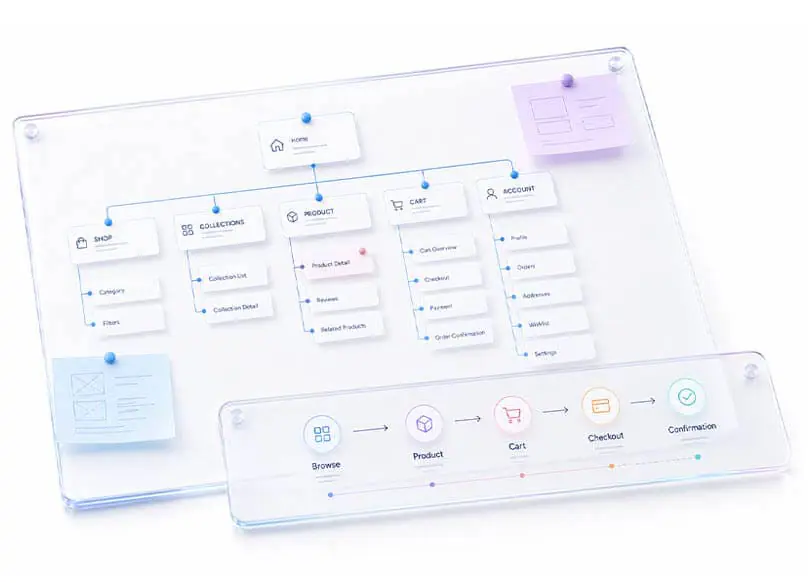

Technical accessibility audits that go beyond automated scans.
Every remediation project starts with a full audit. Automated tools only catch part of the problem, so we pair them with manual testing.
Our team tests with keyboards and screen readers, reviews your page templates and key user flows and documents each issue against the WCAG success criterion it fails.
You get a clear report and a prioritized roadmap, not just a long list of errors.


Ongoing monitoring to catch new issues early.
ADA web compliance isn’t a one-time project. New pages, blog posts, images and plugins can introduce issues the day after an audit.
We monitor your site on a set schedule, flag new issues early and train your team to publish accessible content, from writing alt text to structuring headings.
Explore our Web Development Services.


Received an ADA Demand Letter?

Understanding ADA Compliant Website Requirements
-
01WCAG Web Content Accessibility Guidelines
The WCAG web content accessibility guidelines, published by the W3C, are the technical standard behind most accessibility laws and policies. They’re built on four principles: content must be perceivable, operable, understandable and robust.
Each guideline has success criteria at three levels, A, AA and AAA, and WCAG compliance is measured against them.
-
02WCAG 2.0 vs. WCAG 2.1 Level AA
WCAG 2.0 set the foundation in 2008. WCAG 2.1, released in 2018, added criteria for mobile devices, low vision and cognitive disabilities.
WCAG 2.1 Level AA is the benchmark most organizations aim for, and it’s the level the Department of Justice adopted in its 2024 rule for state and local government websites. WCAG 2.2, published in 2023, builds on it with a few more criteria.
-
03Section 508 Compliance
Section 508 is often called Section 508 of the Americans with Disabilities Act, but it’s actually part of the Rehabilitation Act of 1973. It requires federal agencies to make the technology they build, buy and use accessible.
Since the 2017 refresh, Section 508 standards point to WCAG 2.0 Level AA. That makes being 508 compliant especially important for B2B and B2G companies that sell to federal agencies or work on government contracts.
-
04Core ADA Compliance Requirements
Most ADA guidelines for websites come down to a handful of basics:
- Descriptive alt text for meaningful images
- Captions and transcripts for video and audio
- Proper HTML semantics, headings and landmarks
- Full keyboard navigation with visible focus
- Enough color contrast for text and buttons
- Labeled form fields and clear error messages
The team at Digital Silk were great to work with and we are thrilled with our new website. It was a very complicated project and they stuck with us through all of it. We are already seeing a marked improvement in user engagement.

Why Choose Digital Silk for ADA Web Compliance?
Every color, layout and animation is chosen to work for all users from the start, not added and stripped back later.
We know where 508 compliance and ADA requirements overlap and where they differ, and we build to the standard you and your legal team choose.
That means fewer gaps, fewer surprises and one team responsible for building to WCAG 2.1 AA from kickoff to launch.
That way we help your site stay accessible as it grows, and your visitors keep getting the experience they deserve.
Recognized Web Design & Development Experts










-
Brand Strategy
-
Custom Web Design
-
Marketing Strategy
-
Creative Copywriting
-
Communication Strategy
-
eCommerce Development
-
Social Media Marketing
-
Content Marketing
-
Logo & Graphic Design
-
Mobile App Development
-
Search Engine Optimization
-
Influencer Marketing
-
UI & UX Design
-
Software & AI Development
-
Paid Media Marketing
-
Affiliate Marketing
-
Package Design
-
ERP Portal Integration
-
Email Marketing
-
B2B Direct Marketing
Hiring Digital Silk was the best decision I have made when it came to building/launching my online business. They handled the branding, websites, social media, and the endless little tasks that come with starting a new business.

ADA Compliant Website Design FAQs
What are the ADA compliant website requirements?
The ADA itself doesn’t list technical rules for websites, so compliance is measured against the WCAG guidelines, most often WCAG 2.1 Level AA.
In practice, that means alt text for images, captions for video, full keyboard navigation, enough color contrast, labeled forms and clean HTML structure that screen readers can follow.
What is the difference between Section 508 and ADA compliance?
Section 508 is part of the Rehabilitation Act and applies to federal agencies and the technology they build, buy or use. The ADA is a civil rights law that covers a much wider range of organizations, including many private businesses.
Section 508 points directly to WCAG 2.0 Level AA, while ADA compliance for websites is generally measured against WCAG 2.1 Level AA. Meeting 2.1 AA covers the WCAG 2.0 AA criteria 508 uses for web content.
Does my business need an ADA accessible website?
If your business serves the public, your website is very likely expected to be accessible. Title III of the ADA covers businesses open to the public, and the Department of Justice has said for years that it applies to their websites.
Beyond the legal side, an ADA accessible website reaches more customers and usually performs better in search.
Can you make my existing website ADA compliant without a redesign?
Yes. Most sites can conform to WCAG 2.1 AA through an audit and remediation, without starting over. We fix the code, templates and content behind each issue.
If the audit shows your platform or design can’t realistically meet WCAG, we’ll explain your options, including a rebuild.
How long does it take to make a website ADA compliant?
It depends on the size of your site and how many issues the audit finds. Smaller sites with a few templates can be remediated relatively quickly, while large sites with many page types, integrations and documents take longer. We share a timeline once the audit is complete.
Are accessibility overlays or plugins enough for ADA compliance?
No. Overlay widgets can change colors or font sizes, but they don’t fix the underlying code and can interfere with the screen readers people already use. Sites that rely on overlays still face accessibility lawsuits.
Real ADA web compliance comes from accessible design and development.
Does ADA compliance help SEO?
Often, yes. Many accessibility best practices, such as descriptive alt text, clear heading structure, video transcripts and well-structured pages, also help search engines understand your content. Accessibility isn’t an SEO tactic, but the two goals support each other.
How do you keep a site compliant after launch?
We monitor your site on a set schedule, run follow-up audits after major updates and train your team to publish accessible content. That’s the best way to make sure new pages, images and plugins don’t undo the work.
I received an ADA demand letter. Can you help?
Yes. We can run an accessibility audit of your site, document the issues against WCAG and provide a prioritized remediation plan your legal team can work with. We don’t provide legal advice, so we recommend working with your attorney on your response while we handle the technical side.
Our services help your website conform to WCAG accessibility standards. They are not legal advice and do not guarantee legal compliance or protection from claims. Consult your attorney about your specific obligations.
"*" indicates required fields