
Email Marketing Services
- We’ve doubled email revenue year-over-year for clients
- Strategy-first and platform-agnostic
- Segmented and targeted emails






Results Achieved
For Our Clients


Healthpilot helps seniors compare and enroll in Medicare plans. Their enrollment window is narrow and every lead matters. We built an automation system that moved users from initial interest to completed enrollment through behavioral triggers and targeted follow-up sequences.
- 30+ uptick in the primary MQL target
- two weeksfor the full enrollment cycle
- 49% to 100%range of open rates


Westfalia USA operates in a complex B2B environment where email needs to align with structured user journeys and corporate web design systems. We made campaign execution easier, which made producing and structuring emails more efficient.
- Marketo’s fragment library enabled fast development
- Follow-up paths built based on user behavior
- Modular templates ensured speed and consistency


Capixa operates in a regulated financial space, where email performance depends on trust, timing and alignment with finance and banking web design principles. We’ve combined email, outbound marketing and customer relationship management to make it easier to get leads and speed up their response times.
- Multi-domain setup improved deliverability
- Automated lead capture and nurturing in place
- Klaviyo promotions triggered by engagement


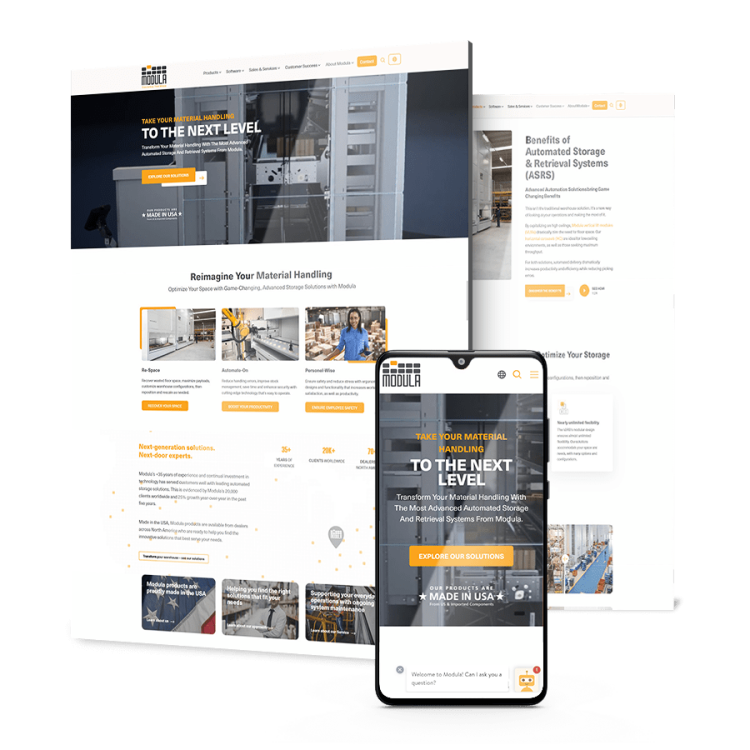
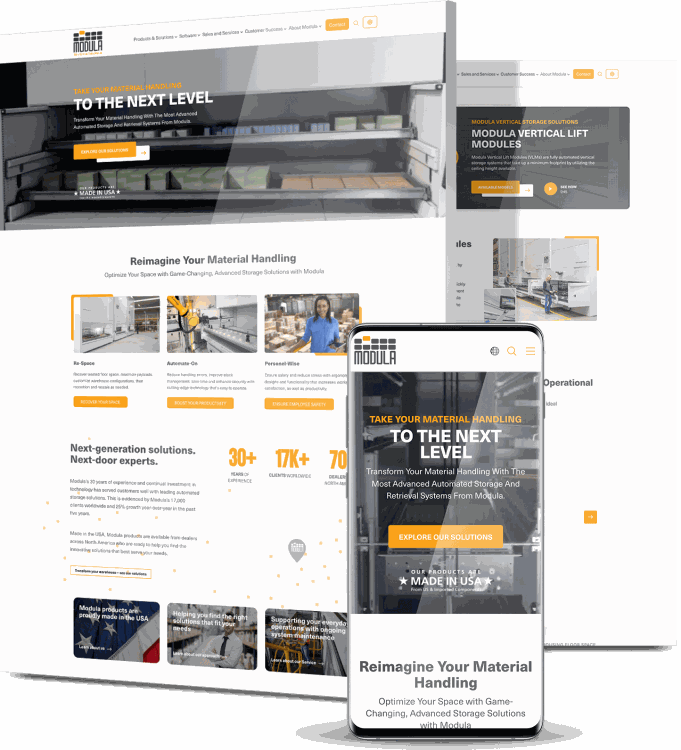
Modula makes advanced storage and retrieval technologies that are all designed to make warehouse work easier. We have created a structure that can be customized to meet the needs of different sectors and user groups.
- Drag-and-drop templates enabled easy setup
- Trigger-based sequences for each vertical
- Dynamic content enabled personalized messaging
Email Marketing
With Proven Results


Email Marketing
Experts You Can Trust












Very hands-on approach, not a typical marketing firm. [Their] approach [is] as if they become part of your internal team to make sure all deliverables are met.

Our Email Marketing Services

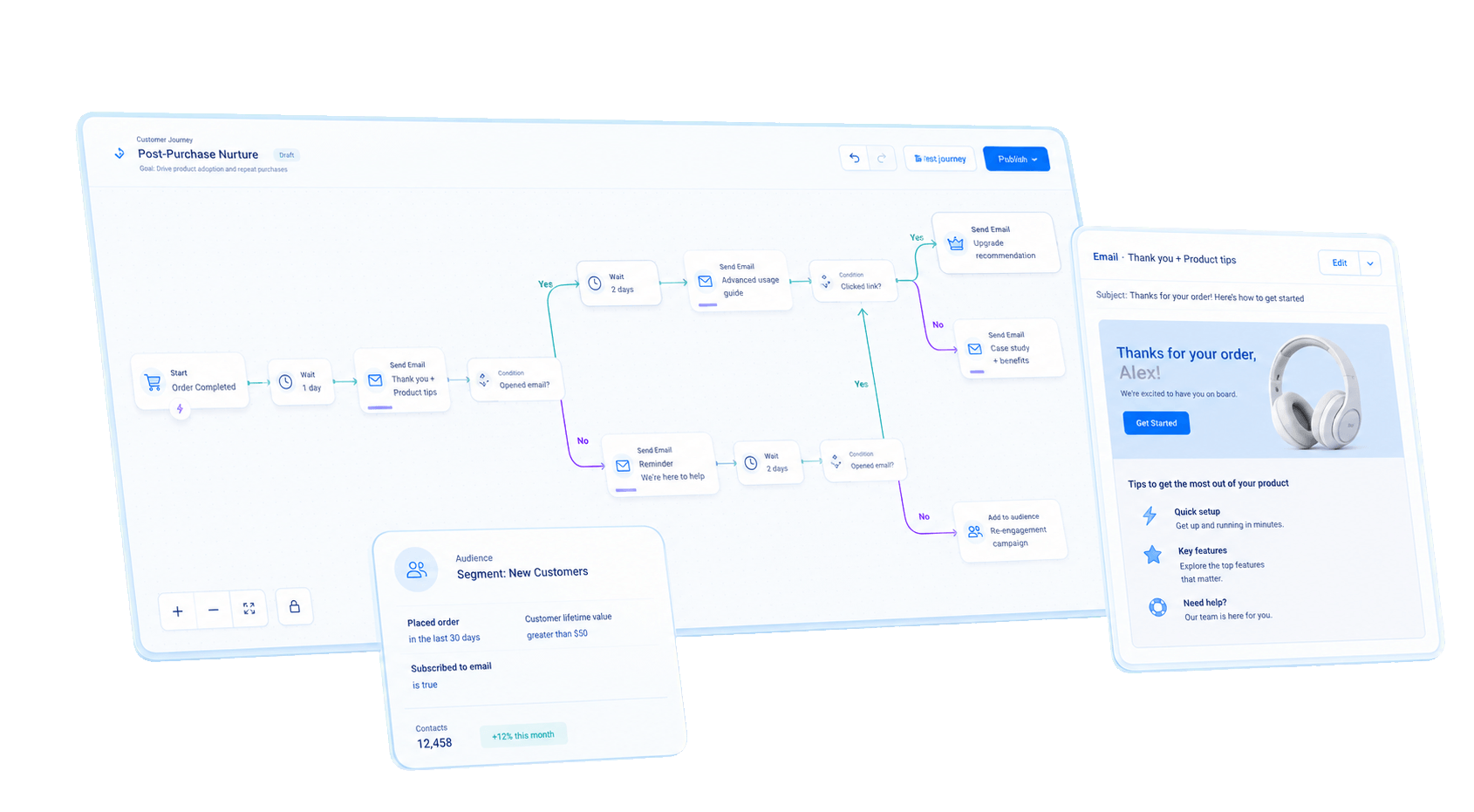
From there, we define the logic behind every send. Someone browsing a product page shouldn’t get the same email as someone who added to cart and left.
That logic is what separates systems that drive revenue from those that drive unsubscribes. If your platform is Shopify-based, that structure matters at the data-capture level, too.

The DMA’s research found that segmented and targeted emails generate 58% of all revenue for marketers who implement the strategy consistently.
We build flows that react to page visits, clicks, cart activity, purchase history and engagement drop-offs.
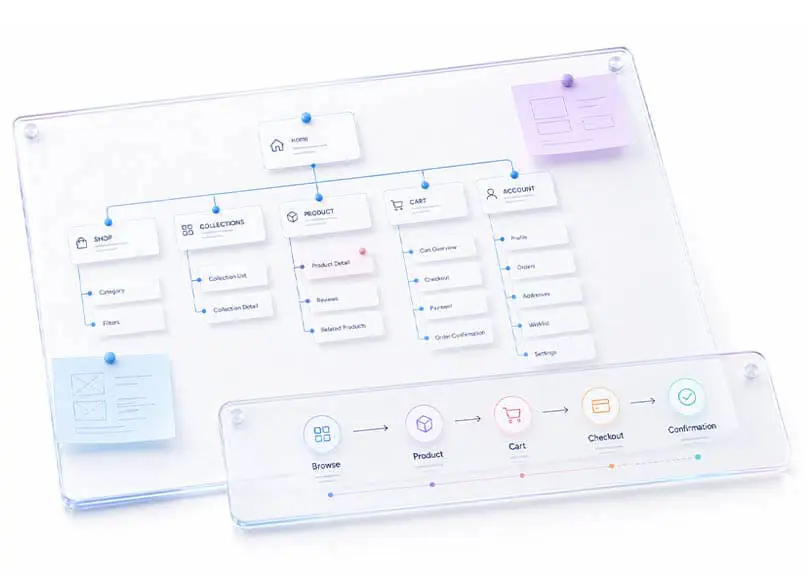

We plan around launches, promotions, seasonality and engagement gaps and we make sure roles and timelines are clear before anything goes out.
The message comes first. Visual choices serve the copy and the copy serves the goal.
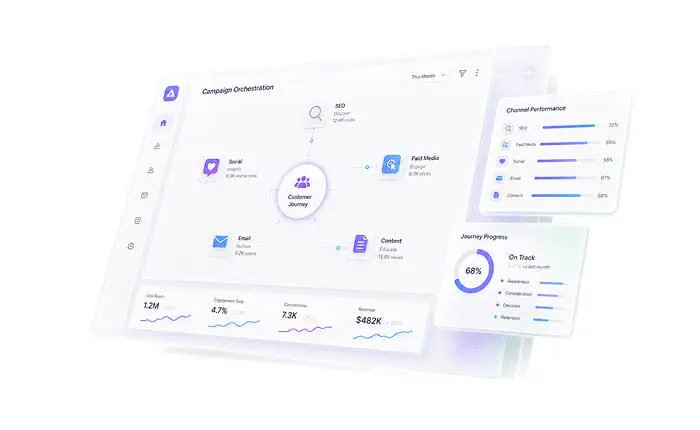

When Geissele’s data told us which purchase patterns predicted repeat buying, we built the upsell model around that, not around assumptions.

If you’re starting fresh or evaluating a migration, we’ll recommend what fits your business model and tech stack, not what’s easiest for us to manage.
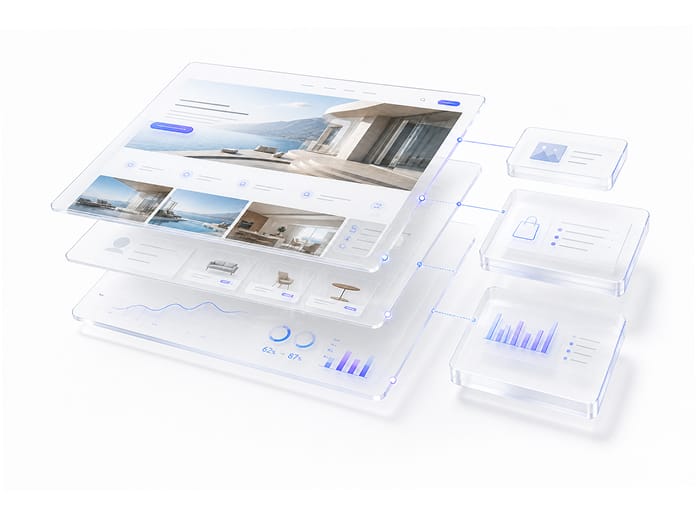

No attribution gaps, no duplicate sends and no leads dropping through because of the handoff between systems wasn’t configured correctly.
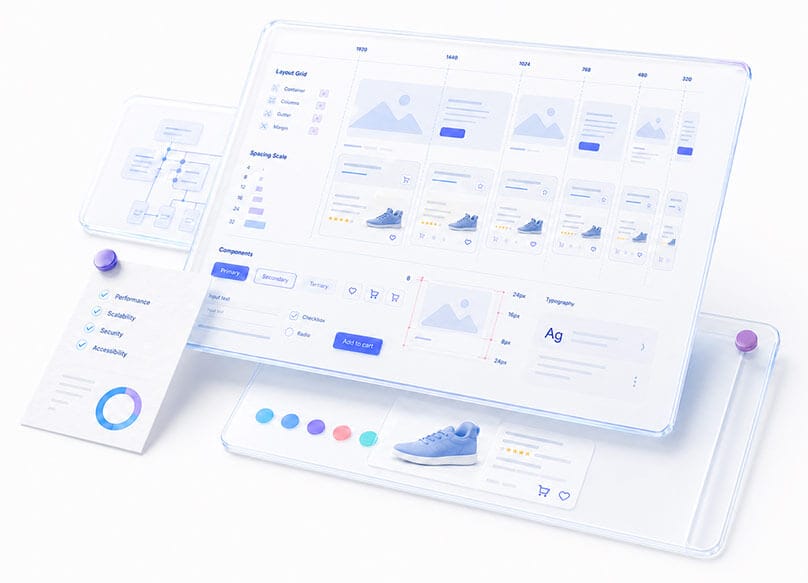
Our
Email Marketing
Process
We follow the same framework across every engagement, but the execution can adapt to what you’ve already built.
We start by reviewing how users enter your system: forms, key landing pages, existing platform configurations and CRM connections.
We look at what data you’re capturing, where it’s going and what’s missing. This tells us where the gaps are before we design anything.
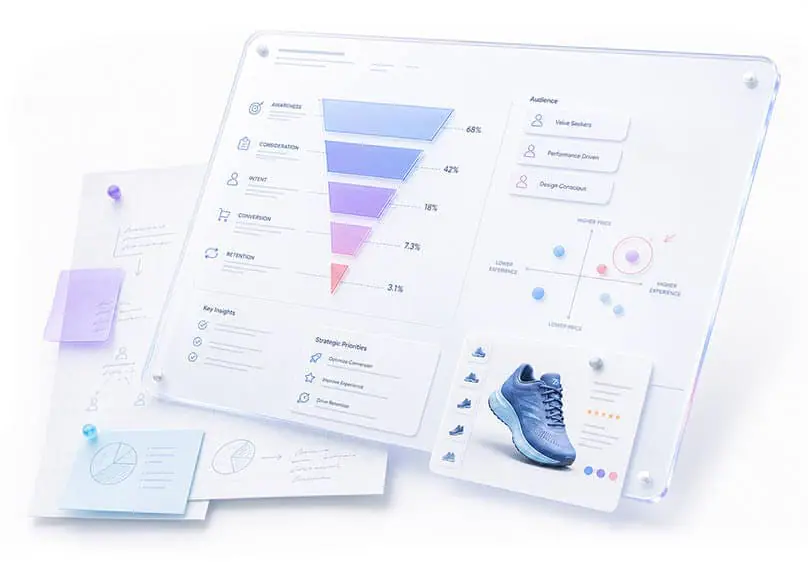

Based on what we find, we map a segmentation model, a sequencing logic and a sending plan that aligns with your customer lifecycle.
This is where the system gets designed, before the first template gets built.

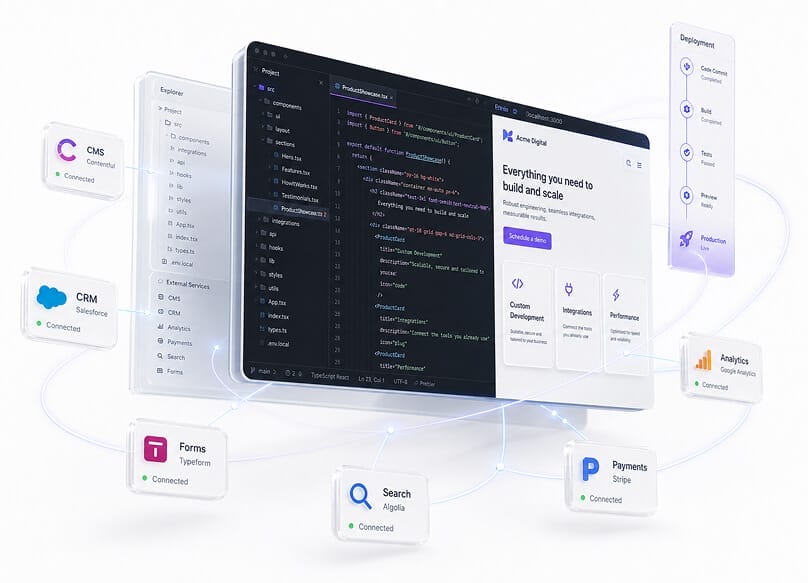
We set up the automations, templates and platform configurations that run your program.
That includes CRM integration, email authentication (SPF, DKIM, DMARC) and list structure. Nothing goes live until the foundation is solid.
In 2026, Gmail actively rejects bulk senders that aren’t fully authenticated at the SMTP level.
Every campaign launches with a test built in.
We vary subject lines, timing, structure or messaging, then find what performs and make that the baseline for the next send.
Optimized Based On Performance

We review results across engagement, conversion and pipeline metrics.
Segmentation becomes tighter. Flows are refined. The system gets more accurate as the data accumulates. Small adjustments here compound quickly.
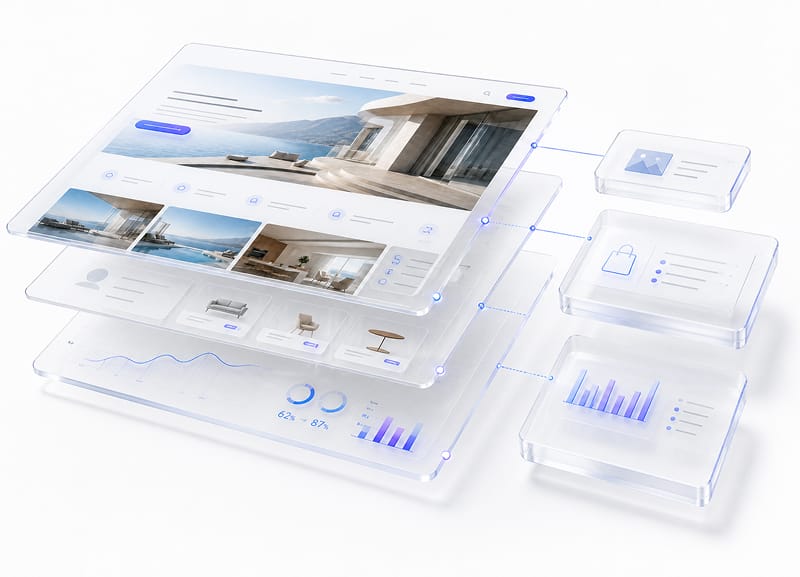

As your program matures, we add channels, sequences and audience segments.
We document everything so your team can work confidently within the system. It grows with your business.
Our Best Practices for Email Marketing
-
01One Message, One ActionEvery email should do one thing. Not three things. One goal, one CTA. When people have too many options, they don’t pick one. They leave.
The emails that consistently perform best in our client programs are also the simplest ones structurally. -
02Behavior-Triggered Beats Frequency-BasedSending more emails doesn’t improve results. Sending the right email at the right moment does.
We build triggers around what users actually do: the product page they spent four minutes on, the cart they abandoned, the sequence they stopped opening three weeks ago.
That signal tells you more than any demographic field in your CRM. -
03Segment Before You SendSending the same message to your entire list is one of the fastest ways to train your audience to ignore you. The DMA’s Email Benchmarking Report found that segmented and targeted emails drive 58% of all revenue for marketers who use the strategy.
Even basic audience splits, by purchase history, engagement recency or product interest, deliver measurable click rate improvements every time. -
04Deliverability is a Technical DisciplineYour creative work doesn’t matter if your emails land in spam. In 2026, ISPs have tightened spam complaint thresholds to below 0.1%, and rebuilding sender reputation after a violation now takes weeks to months, not days.
We manage SPF, DKIM and DMARC authentication, monitor the list health and track the engagement signals ISPs use to assess the sender
reputation.
Authenticated senders are 2.7x more likely to reach the inbox than unauthenticated ones. Gmail now actively rejects non-compliant bulk senders at the SMTP level. -
05Mobile-First is Table StakesThe majority of email opens happen on a phone. If your email doesn’t render cleanly on a small screen, the rest of the work doesn’t matter.
We test across devices as part of every QA pass before anything goes out. -
06Measure Pipeline, Not Just OpensOpen rates tell you something happened, but Apple Mail Privacy Protection inflates roughly 49% of reported opens, making them an unreliable standalone metric.
We track engagement through to leads, conversions and revenue. That’s what connects your email program to actual business outcomes. -
07Consistency Beats VolumeA brand that shows up predictably and delivers something worth reading earns attention over
time. A brand that blasts every time there’s a promotion trains its list to wait for discounts.
The 2026 email landscape rewards senders who focus on recipient experience and relevance. -
08Automation Enables ScaleYou can’t manually manage a growing audience at the level of personalization that produces results. The sequences we build continue to work long after we set them up.
As G Pen’s results showed, the combination of behavioral automation across email, SMS and loyalty channels compounds significantly. -
09Design Serves The MessageVisually complex emails don’t automatically convert better. The job of design is to make the message easier to act on: clear hierarchy, readable type and a CTA that stands out from the surrounding content.
-
10Testing Compounds Over TimeEvery test is a data point. After six months of structured testing, you’re not guessing, you’re operating from evidence.
Those learnings are among the most durable assets your email program can build.
Why Businesses Choose Us?
They require different architectures, different timing logic and different success metrics. We’ve built both at scale and we don’t apply one playbook to every client situation.
Our email marketing agency has earned five-star reviews on Clutch and DesignRush from clients across industries:
“Great company! Very hands-on approach, not a typical marketing firm. Their approach is as if they become part of your internal team to make sure all deliverables are met. I have referred three other leads to them and have received rave reviews.” Rob Bothe, CFO/COO at Deutsche Bank
You don’t have to coordinate between a strategist, a copywriter and a developer at different agencies.
We own the outcome.

Request An Email Audit
& Marketing Services

A Marketing Agency With
A Proven Track Record











-
Brand Strategy
-
Custom Web Design
-
Marketing Strategy
-
Creative Copywriting
-
Communication Strategy
-
eCommerce Development
-
Social Media Marketing
-
Content Marketing
-
Logo & Graphic Design
-
Mobile App Development
-
Search Engine Optimization
-
Influencer Marketing
-
UI & UX Design
-
Software & AI Development
-
Paid Media Marketing
-
Affiliate Marketing
-
Package Design
-
ERP Portal Integration
-
Email Marketing
-
B2B Direct Marketing
We have had a very positive experience working with Digital Silk and have gone back to them with additional work. Would highly recommend!

FAQs About Our Email Marketing Services
What do your email marketing services normally include?
We handle the full system: strategy, segmentation, automation builds, campaign development, platform setup, CRM integration, deliverability management and performance reporting.
You get clear reporting tied to pipeline and revenue. Every engagement is scoped to your specific setup and goals.
How do I choose the right email marketing agency?
Look for one that treats email as a system, not a broadcast channel. Ask to see specific results with named clients and ask how they handle deliverability.
The right partner will show you conversion rates, revenue impact and automation architecture, not just design samples. They should also be platform-agnostic.
How long before email marketing services show results?
eCommerce brands typically see measurable revenue impact within 30 to 60 days once
automation is live.
B2B and enterprise programs take 90 to 180 days to show full pipeline impact, depending on sales cycle length.
We set realistic expectations by segment at the start of every engagement.
Do you offer email automation services?
Yes, it’s central to most of what we build. That includes lead nurture flows, onboarding
sequences, cart recovery, post-purchase, re-engagement and win-back programs.
We also use behavioral personalization and, where the platform supports it, AI-assisted send time optimization.
Are your email marketing services suitable for eCommerce?
Yes. We’ve built Klaviyo-powered eCommerce programs for brands like G Pen, delivering a 4,300% return on Klaviyo marketing spend. Our eCommerce email work focuses on automation flows, product-specific segmentation and LTV-building sequences.
How do you measure the success of email marketing services?
We track engagement, but we measure success further down the funnel: qualified leads,
conversion rate and revenue generated. We connect CRM data to email performance so you can see which campaigns influenced actual pipeline, not just which ones got opened.
Can you use our current email marketing system?
Yes. Most clients come to us with something already in place. We’ve worked across Klaviyo, HubSpot, Marketo, Salesforce Marketing Cloud and others.
We’ll work within your stack or help you evaluate whether a platform change makes sense for your goals.
What can you do to improve email marketing campaigns that aren’t working?
We start with a diagnostic: deliverability, segmentation quality, message relevance and
technical setup. Most problems trace back to one of those four areas. We identify where
performance is breaking down, fix the foundation and rebuild the strategy from there.
What types of businesses can benefit from email marketing?
Email marketing can support both B2B and B2C businesses, but the strategy depends on the buying cycle, audience behavior and business goals. We adapt the program to how your customers actually make decisions.
Can email marketing work with other digital marketing channels?
Yes. Email can work alongside SEO, paid media, social media and your website to move users through the customer journey. Connecting these channels also gives you more consistent audience and performance data.
How often should a business send marketing emails?
There is no universal sending frequency. We base the cadence on audience behavior, lifecycle stage, campaign goals and engagement so you stay relevant without overwhelming your subscribers.
How do you improve email deliverability?
We look at the technical and audience factors that affect inbox placement, including authentication, list quality, engagement and sending practices. The goal is to build a program that can consistently reach the right subscribers.
What is email segmentation?
Segmentation means dividing your audience into relevant groups based on factors such as behavior, purchase history, interests or engagement. This allows each group to receive messaging that is more relevant to where they are in the customer journey.
Do you create email templates and creative?
Yes. Email campaigns can include strategy, copy, design and development, with templates built around your brand and the types of campaigns and automated flows your program requires.
Can you help us build an email marketing strategy from scratch?
Yes. We can start by auditing your current setup, mapping the customer journey, defining segmentation and automation logic, and building the infrastructure needed to launch and optimize the program.
Digitizing Your Business Growth
Start A Conversation With Us
"*" indicates required fields