Certified Shopify Web Design Company Delivering Results
Custom Shopify Web Design
Migration, Maintenance & Security
Shopify Website Development & Integration
Custom Shopify and Shopify Plus storefronts for DTC and B2C brands. Brand-led visual design, conversion-focused PDPs, Shopify Plus migrations, subscription and lifecycle integration on one team and one timeline.
OUR WORK
Featured Shopify Web Design Case Studies
We design our websites to connect and convert. Discover the work we have done for businesses of all industries and sizes.
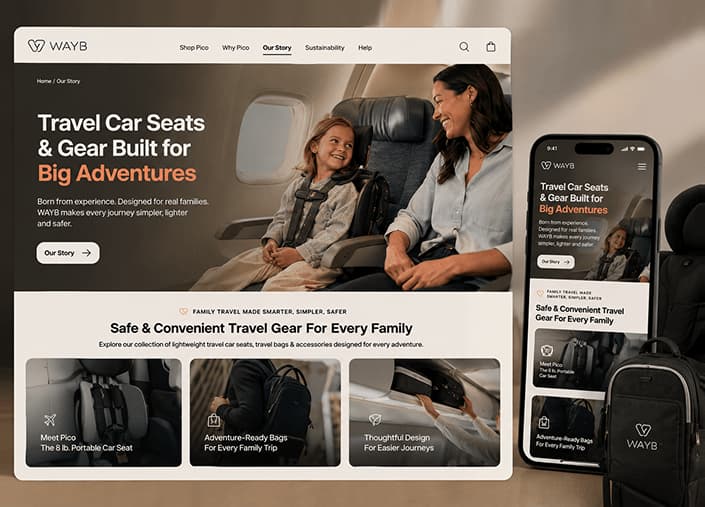
WAYB – A family travel brand, with a Shopify built for confident first purchases
WAYB makes travel gear for families, starting with the Pico, an 8-pound car seat approved for both car and airplane use.
Digital Silk focused the site on first-time buyers unfamiliar with the brand, pairing product education with clear calls to action.
New visitors can complete a purchase, with product specs, safety certifications and materials information all built into the same page.
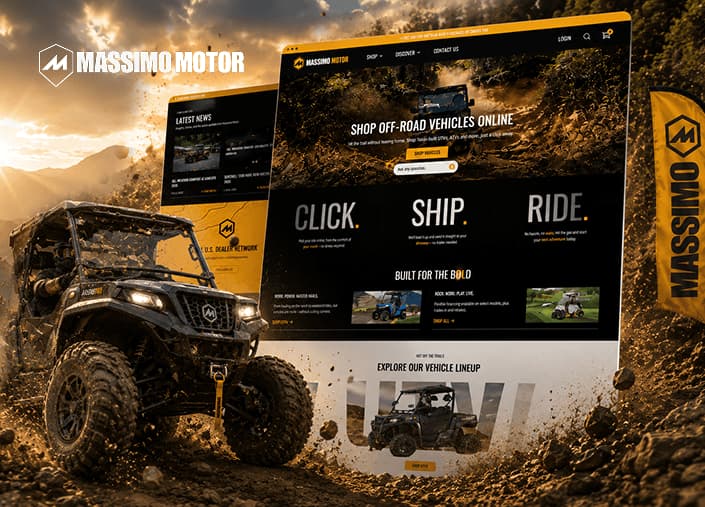
Massimo Motor – A nationwide dealer network, with a storefront ready for scale
Massimo Motor designs and assembles its vehicles at a Texas factory, selling through authorized dealers across the country.
Our team focused the Shopify experience on two buyers at once, retail customers purchasing directly and dealers managing their own stock and service.
A built-in finder points vehicle owners to the nearest dealer or support point without leaving the site.
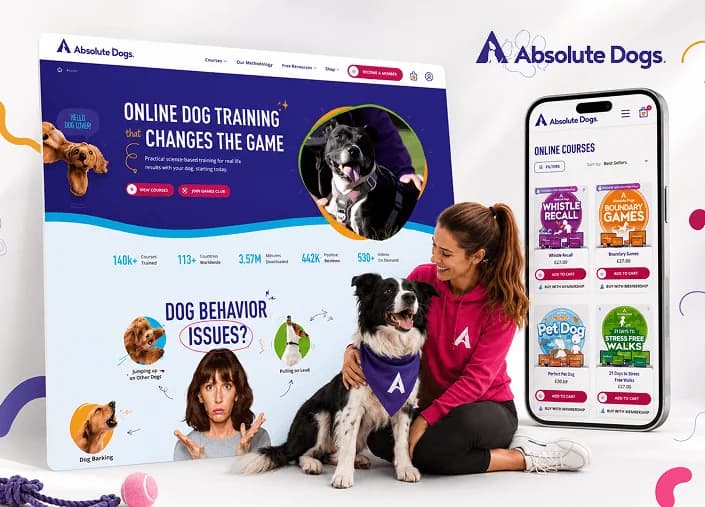
Absolute Dogs – A worldwide training brand, with stronger product discovery
Absolute Dogs built its training method around games rather than traditional commands, reaching dog owners worldwide through online courses and a membership library.
We reworked the Shopify architecture around how customers shop, refining navigation and product discovery across the full course catalog.
Add-to-cart actions increased 77.88%, following updates to product pages, checkout flow and how courses are organized by skill level and training goal.
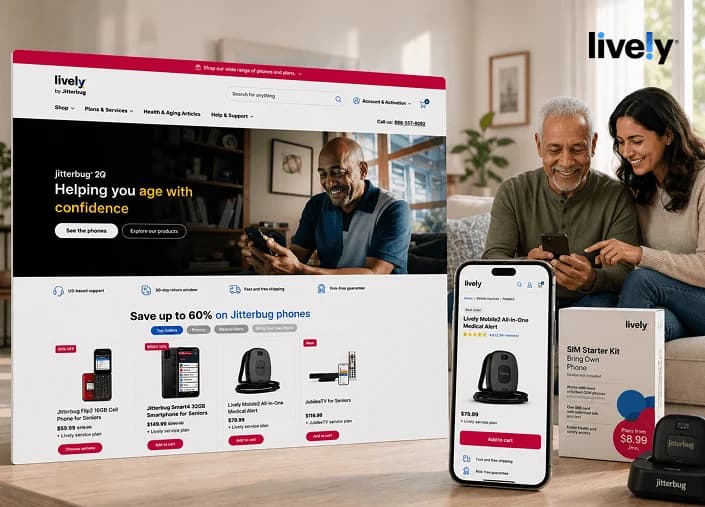
Lively – A senior tech brand, with a faster path from comparison to purchase
Lively offers medical alert devices with automatic fall detection, sold with no long-term contracts required.
Digital Silk streamlined how plans and devices are compared side by side, making it clear what’s included before a customer ever reaches checkout.
Fewer clicks now separate browsing from completing a purchase, without hiding fees or requiring a phone call to understand pricing.
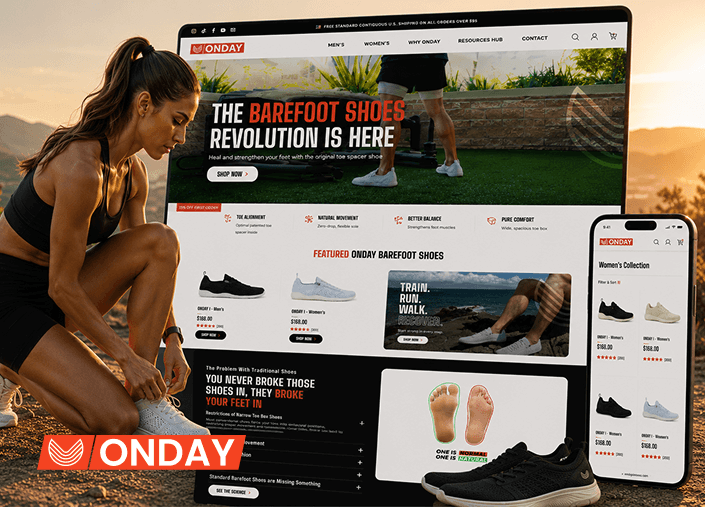
ONDAY – A patented shoe design, with a store that eases first-time doubt
ONDAY makes barefoot shoes with a zero-drop heel and wider fit, endorsed by podiatrists to correct issues caused by conventional footwear.
Our team shaped the Shopify build to ease hesitation at checkout, placing sizing help and return details exactly where buyers tend to drop off.
Every device shows the same depth of detail, so a shopper on a phone feels as sure as one at a desk.
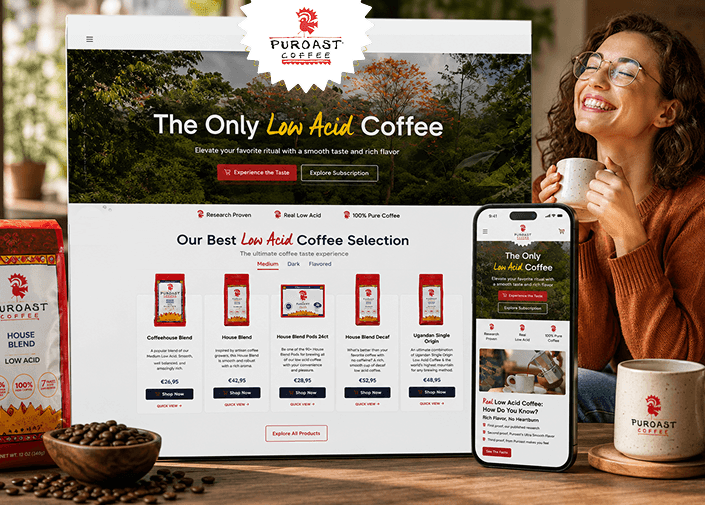
Puroast – A wellness-first coffee brand, with an AI barista built in
Puroast has used a proprietary, biofuel-powered roasting process since 1998, and remains the only coffee brand with university-verified research behind its low-acid claim.
Digital Silk built the storefront around that verification, adding comparison tools that let visitors shop by acidity level and antioxidant content instead of flavor profile alone.
A chatbot named Roasty now guides visitors to the roast that matches their taste and health needs, before they ever scroll through the full catalog.
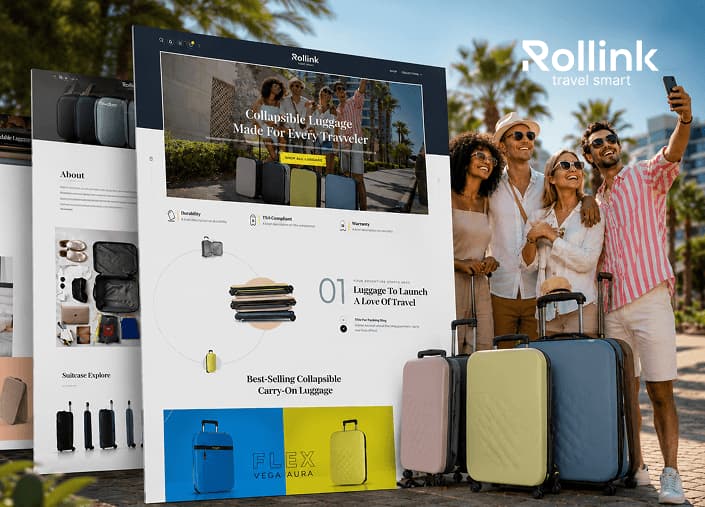
Rollink – A recognized luggage brand, with 500% revenue growth after launch
Rollink entered the U.S. through a retail partnership with Macy’s, bringing its patented Flex folding technology to American travelers after years of success in 25 countries.
We handled brand strategy, digital marketing and SEO alongside the eCommerce site, positioning the product for new market entry.
Revenue grew 500% following launch, a foundation the brand has since built on by expanding into bags, backpacks and travel accessories.
We really appreciated the time Digital Silk invested in getting to know our company and our needs. They have been incredibly helpful and responsive to our questions, concerns, and additional training pieces. They did a great job following up with us to ensure the project was completed.
We work with both startups and multinationals across industries to create seamless, user-friendly shopping experiences on Shopify.
IBM
Northwestern University
Paul Stuart
Rollink
Spar & Bernstein
ZipTie
Babies R Us
Xerox
Absolute Dogs
Mitsui Plastics
Puma Energy
Enchant Christmas
Grenco Science
our process
Custom Shopify Web Design
From research and planning to web design, launch and beyond, we follow an established process. Here’s a glimpse at the key stages you can expect during your engagement:
Plan
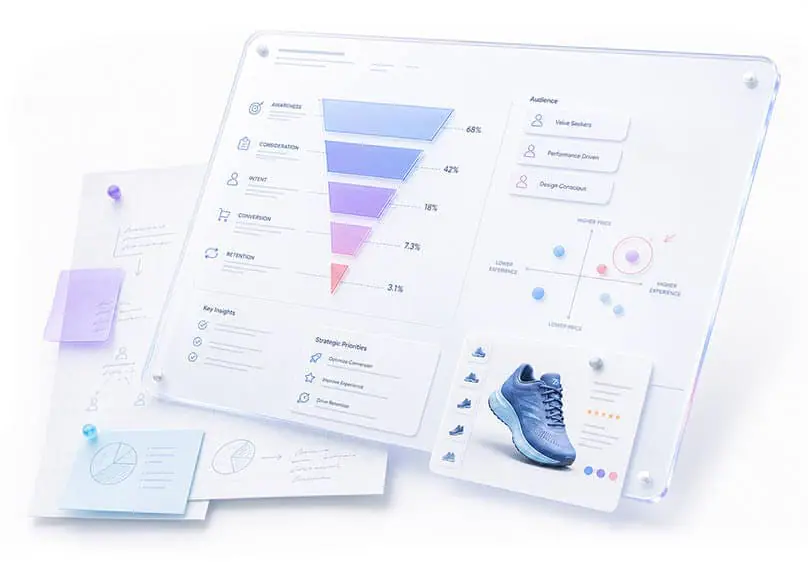
At the start of every Shopify web design, we assign a dedicated website strategist to your project.
We gather insights on your business, analyze your competitors and define target audiences to uncover opportunities.
We use our learnings to plan your website, from the conversion funnels to technical features.
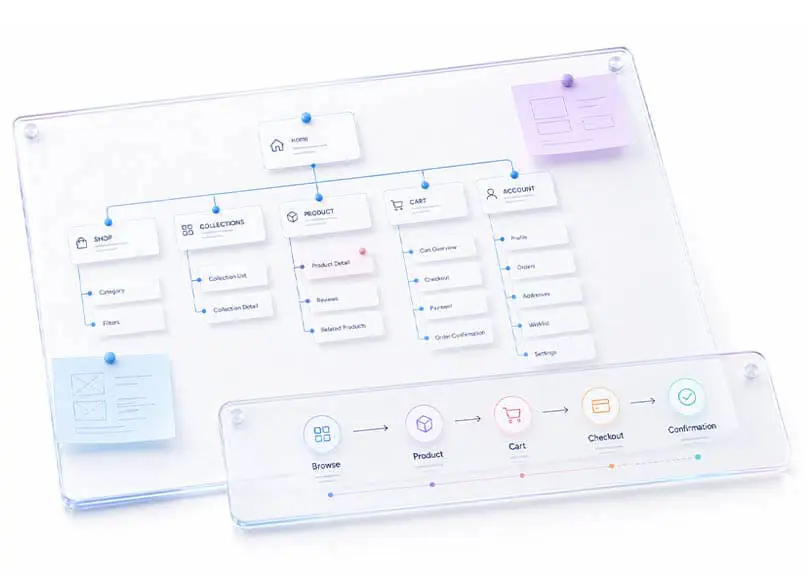
Wireframe
We translate the detailed website strategy into a UX design and make high-fidelity wireframes for key landing pages to show you the flow of messaging and features.
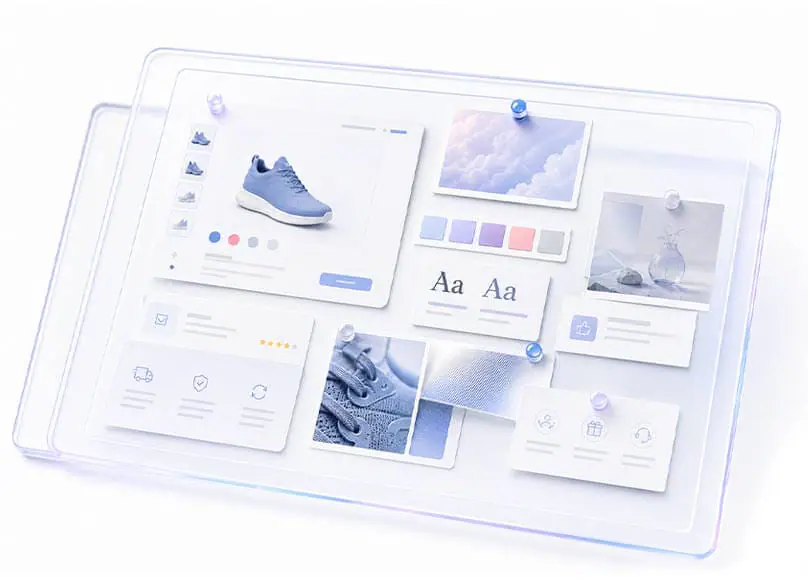
UI Design
If the wireframe is the bones and muscles of your Shopify web design, then the UI design is the skin, hair and all the lovely bits.
We’ll prototype your website to show light animation and give you a realistic feel of the experience. With your approval, prototypes will move into development.
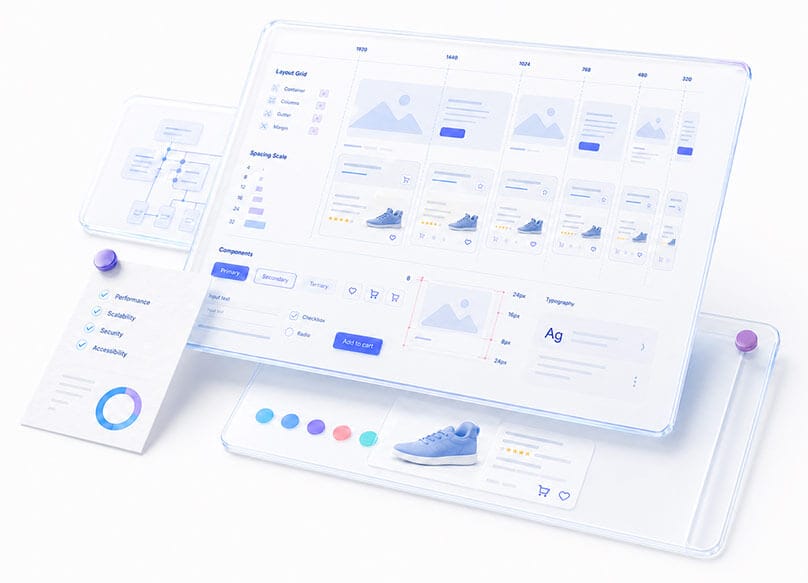
Development & Launch
Before we push your store live, we’ll use our robust QA pre-launch checklist to ensure your e-store is functioning flawlessly.
When the store goes live, we’ll test some more! As a result, you’ll have a fast-loading, high-performance and secure website, ready to generate revenue.
Digital Silk and their entire team have been terrific to work with. They are extremely responsive, always professional and helped us to move our business forward with their input. We will continue to use them as we expand our platform and presence in the industry.
Why Your Business Needs Shopify Web DesignServices
01
Improved User Experience
Most Shopify websites are similar and have a copy-paste feel to their designs.
While generic templates and ready-made layouts can speed up the launch process, they often fail to convey your signature values and resonate with your target audience.
Digital Silk’s professional web designers can help you create visually appealing, intuitive and highly functional online stores.
Shopify web design services optimize layouts, navigation and responsiveness, allowing users to easily browse products on any device. This ultimately fosters customer loyalty and retention.
02
Better Brand Consistency
End-to-end Shopify web design services can create custom Shopify themes that align with a brand’s color palette, typography and logo, ensuring every page reflects the brand’s identity, unique selling point and core messaging.
This helps establish a unified visual experience, from the homepage to product pages and checkout.
This way, your Shopify store becomes instantly recognizable and easily memorable for both current and potential customers.
03
Advanced Data Security
Professional Shopify services can optimize your data security through SSL encryption, secure server hosting, regular software updates and end-to-end payment processing.
A trusted agency can also help you flag and block fraudulent orders to avoid chargebacks and protect sensitive client information.
This can foster mutual trust with your customers and build your authority and credibility in the market.
04
Long-Term Scalability
Digital Silk’s Shopify web design services can tailor your eCommerce platform to meet your current business needs and adapt to changing consumer demands.
Our team can perform full site design updates, including typography, color palette, logo, order section and other on-page content.
Professional web designers use clear, strategically placed calls-to-action and different payment buttons like PayPal, Express or Shop Pay to guide visitors’ attention to the desired action.
Our solutions can include 3D models of relevant products for lifelike representations and engaging imagery and videos to show your products in action.
Digital Silk also prioritizes a mobile-first strategy by designing your Shopify store for mobile before optimizing it for desktop to ensure cross-device conversions.
Stay On Top Of Digital Trends
Subscribe to our newsletter to get the latest industry insights and web design best practices delivered to your inbox.
"*" indicates required fields
WHY COMPANIES CHOOSE US
Our Unique Value As A Shopify Web Design Agency
Shopify Expertise
Digital Silk is a full-service company focused on growing brands online through a proactive, consultative approach.
Our team is comprised of passionate professionals who are not only experts in web design and development, branding, marketing and all things digital, but who act as expert consultants throughout every partnership to guide our clients at each step.
We take ownership of every project, operate with complete transparency and regular communication and drive measurable, long-term results for our clients.
Five-Star Reviews
By combining creativity, strategic thinking, and a passion for innovation, our agency is a trusted partner in the success stories of numerous famous brands, delivering experiences that leave a lasting impact.
Our reviews on platforms like Clutch and DesignRush speak for themselves:
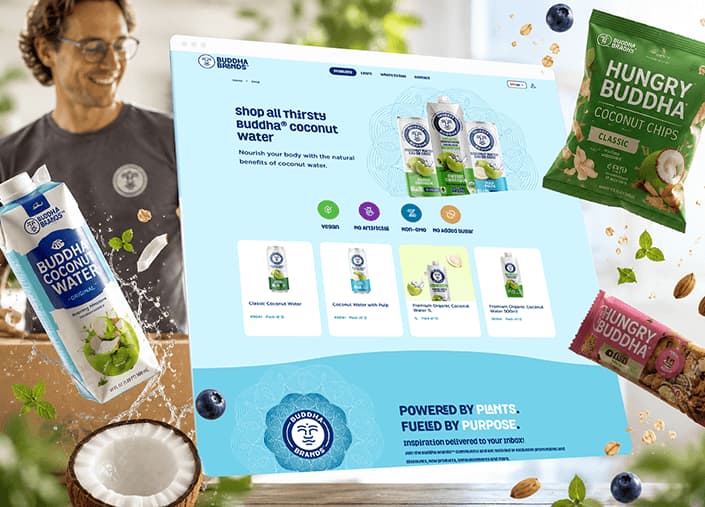
“Digital Silk has put forward top-notch work, from website design concepts to the implementation of our new Shopify website. The team has been very collaborative, timely, and a pleasure to work with throughout the project,” Nora Collins, Marketing Director at Buddha Brands.
Project Ownership
At Digital Silk, we’re not just another agency.
We drive measurable results for your web design through custom strategies, expert recommendations and meticulous research, implementation and quality assurance processes.
As a full-service Shopify website development company, we handle all of your digital needs under one roof, operating with complete transparency, regular communication and project ownership throughout the life of every partnership, to grow brands online.
Brand Growth
At Digital Silk, we grow brands online. Through our meticulous research and analysis, we gain valuable insights into market trends, consumer behavior and competitive landscapes.
And with that knowledge, we devise effective digital marketing strategies that optimize brand visibility, attract the right audience and drive engagement.
With Digital Silk as your partner, you can confidently navigate the digital landscape, unlock new opportunities and unleash the full potential of your project.
Meet Our Reliable Shopify Web Design Experts
Request a free consultation to get recommendations and a custom proposal for your custom project.
Download the Top Digital Trends Shaping Branding & Web Design
"*" indicates required fields
Shopify Web Design FAQs
Why invest in custom Shopify web design?
From the look and feel to the performance, custom Shopify websites outperform themed alternatives every time.
A custom design will allow you to create a truly unique experience, consistent with your brand identity.
Clean code will allow you to scale your store over time, as well as optimize it for search engines better.
Custom may be costlier upfront, but it pays off in longevity and results.
How long does custom Shopify development take?
Custom web design can take anywhere between 2 and 6 months or even a year to complete, depending on the website’s complexity.
Large projects such as eCommerce stores with many pages can take 6 months or longer to plan, design, develop and launch.
Can I redesign my current Shopify website?
Yes, our Shopify experts can update your current website based on your requirements.
We will update your design, optimize your product pages, implement a streamlined checkout process and add the features and functionalities you need to ensure a successful e-store.
Can a Shopify store support a large product catalog?
Yes. Shopify stores can organize large product catalogs using categories, collections, navigation and other features that help customers browse and find products.
Can Shopify stores integrate with third-party tools?
Yes. Shopify can connect with third-party apps and systems to extend store functionality. Available integrations depend on the tools and requirements involved.
Is Shopify mobile-friendly?
Yes. Shopify stores can provide responsive shopping experiences across mobile, tablet and desktop devices. Mobile-friendly design can make browsing, product discovery and purchasing easier across screen sizes.
What makes a Shopify store easy to navigate?
Clear navigation, logical product organization, useful search and intuitive category structures can make a Shopify store easier to browse. The goal is to help customers find relevant products with minimal friction.
Can a Shopify store reflect an existing brand identity?
Yes. Shopify stores can incorporate brand elements such as logos, colors, typography and visual styles to create a consistent experience across digital touchpoints.
What should a Shopify product page include?
A Shopify product page should give customers the information they need to evaluate a product and make a purchase. This may include product descriptions, images, pricing, available options, specifications and relevant purchasing information.
Can Shopify stores include custom functionality?
Yes. Shopify stores can be extended with apps, integrations and other functionality depending on the requirements of the business and the capabilities available on the platform.
What features can improve the Shopify shopping experience?
Features such as product search, filtering, clear navigation, detailed product information, mobile-friendly layouts and straightforward checkout can help create a smoother shopping experience.
Can Shopify stores support subscriptions or recurring purchases?
Yes. Shopify stores can support subscription-based purchasing through available Shopify features and compatible apps. This can be useful for products that customers purchase on a recurring basis.
How can Shopify stores make products easier to find in search?
Clear product names, descriptive content, organized collections and logical site structure can make products easier for both customers and search engines to understand and find.
Can Shopify stores support multiple sales channels?
Yes. Shopify allows businesses to sell through different channels while managing products and orders from their store. Available sales channels depend on the store’s setup and Shopify’s current capabilities.
Can Shopify stores accommodate complex product catalogs?
Yes. Shopify can organize products into collections and categories to make larger catalogs easier to manage and browse. The best structure depends on the number of products and how customers typically shop.