
Consumer Goods & Product Web Design
- Conversion-Focused Product UX Design
- Brand-Consistent Visual Systems
- Built for eCommerce & Online Sales




Our Product Website Design Portfolio
Explore our work across platforms and industries.
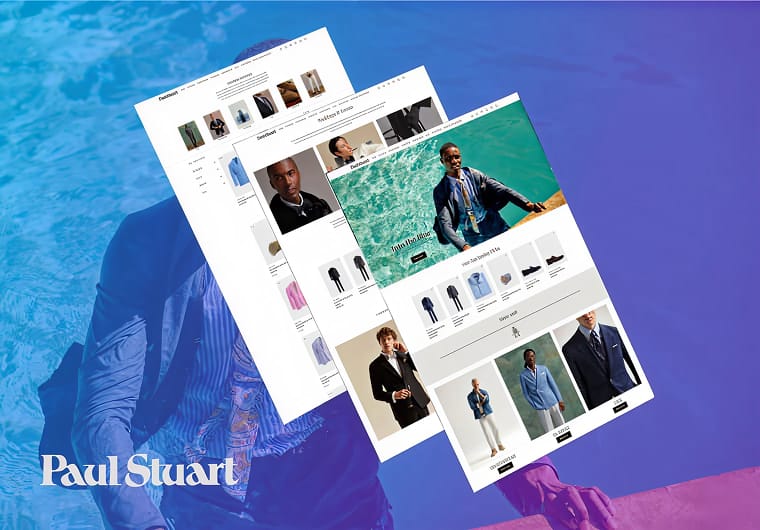
Paul Stuart’s Luxury Retail Design
Paul Stuart needed a website that matched the brand’s standards.
We rebuilt the experience around what luxury shoppers expect, i.e., clean navigation, a checkout that doesn’t get in the way and photography that does the selling.
Product collections are easy to browse and filter, calls-to-action guide without pushing and the design holds up on every device.
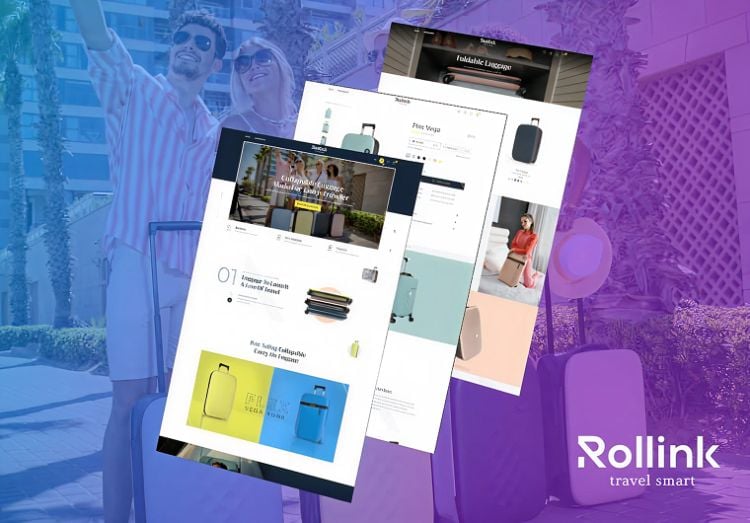
Accelerated Revenue Growth For Rollink
For Rollink, we built a WooCommerce product website that introduced the brand to U.S. buyers through strong design, an immersive product experience and a checkout built for first-time visitors.
Paired with SEO, brand strategy and digital marketing, the site helped drive 500% revenue growth.
-
730kTotal Visitors
-
78sHigher Time On Site
-
$205Increase In Average Order Value
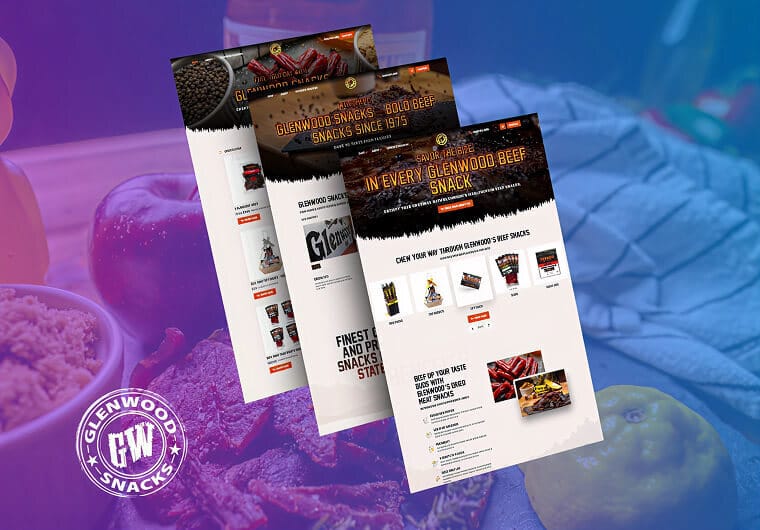
A New Digital Home For Glenwood Snacks
Since its Squarespace store was holding it back, we moved Glenwood Snacks to a custom WooCommerce product website built for both retail and wholesale with a cleaner product organization and automated updates.
We also added a subscription feature for repeat buyers and built out tools for invoicing, shipping and fulfillment so the team can easily run daily operations.
Conversion-Focused UX For ZipTie
87% of ZipTie’s visitors left before reaching a single product page.
We took the site to Shopify Plus and rebuilt it from the navigation down, restructuring listings, adding intuitive filters and bringing express checkout into the flow.
-
381%Increase In Total Sessions
-
353%Higher Conversion Rates
-
50%Lower Cart Abandonment

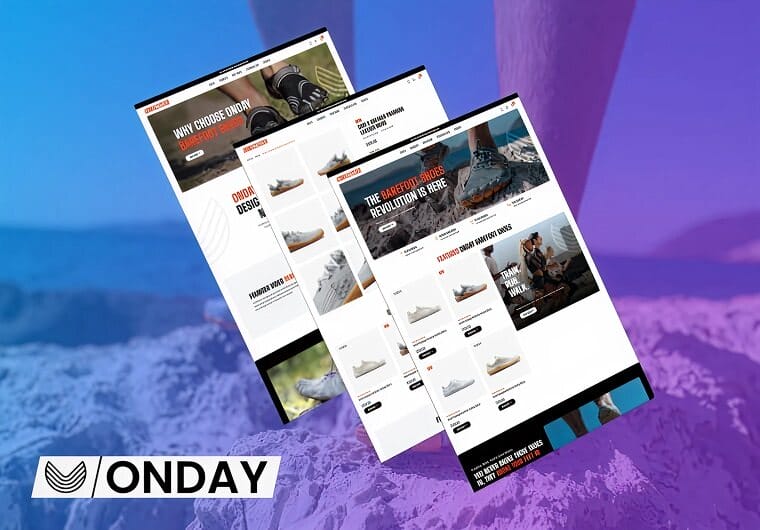
A Brand-New Web Design For Onday Shoes
Onday Shoes sells a patented product: the original toe spacer shoe. Its barefoot shoes combine a zero-drop sole, wide toe box and a built-in insole to realign the toes.
We covered the complete buyer journey for their custom Shopify storefront, including brand storytelling, product categories, individual pages and checkout.
The site features a dedicated “Why ONDAY” page that walks visitors through the biomechanics behind the product, an interactive product view, a testimonials section and a Resources Hub.
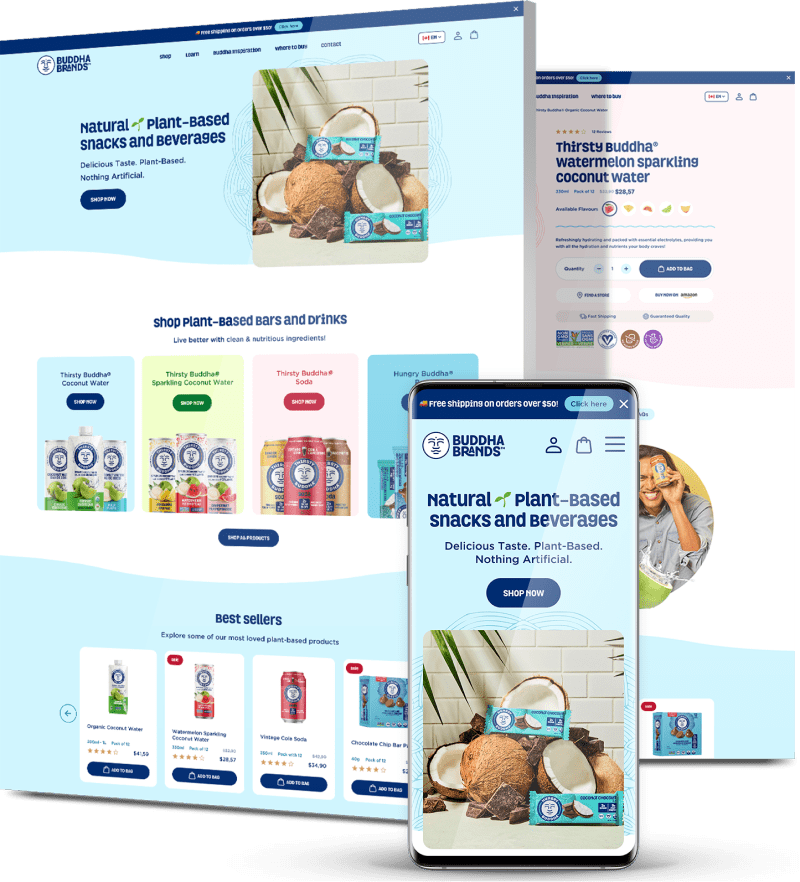
Bringing Buddha Brands To Life Online
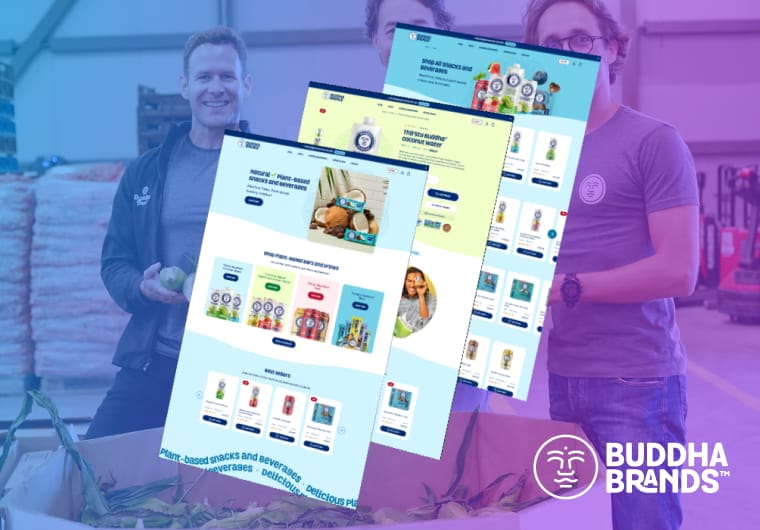
Buddha Brands had the identity, but it needed a website that could keep up with it.
Our team built a custom product website where the design does as much work as the products themselves.
Color, texture and micro-animations pull through every page, giving the site the same energy the brand brings to its packaging.


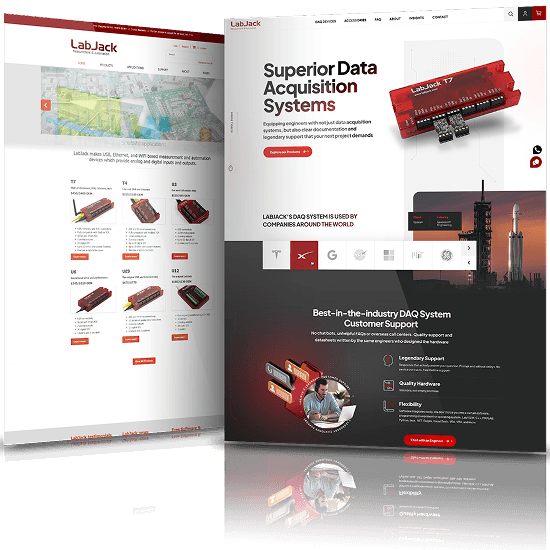
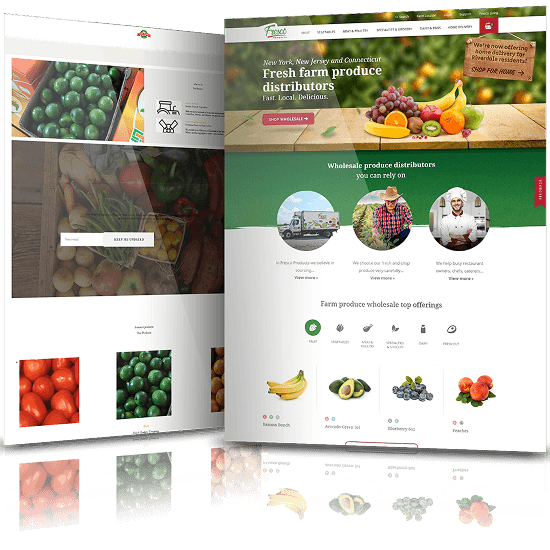
Before & After Consumer Goods & Product
Website Design Examples

Product Website Design Services
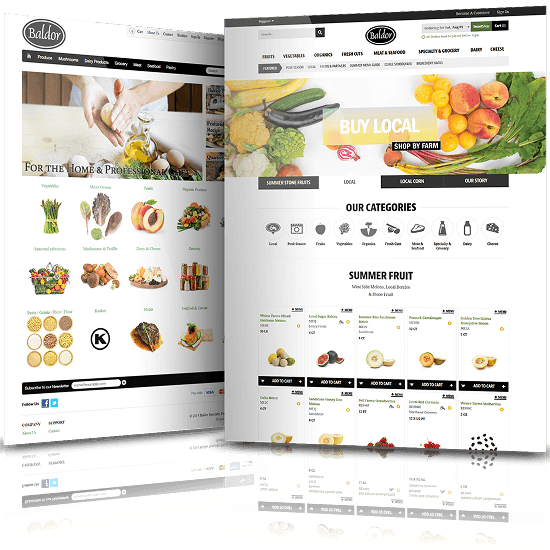
We’re a full-service consumer goods & product web design agency with solutions built for product brands, manufacturers and direct-to-consumer businesses.

Custom Product Web Design
We design sites around how your customers browse and buy.
Our product website design team builds everything from scratch, specific to your brand and what you’re selling.
Explore our Custom Website Design services.
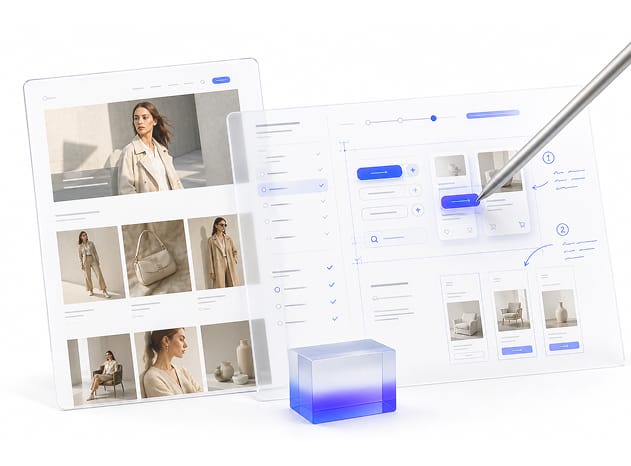

eCommerce Website Development
We create eCommerce sites for consumer goods brands on Shopify, Magento (Adobe Commerce), WooCommerce and custom stacks.
The focus is always on performance, stability and a shopping experience that holds up at scale.
Explore our eCommerce Development services.
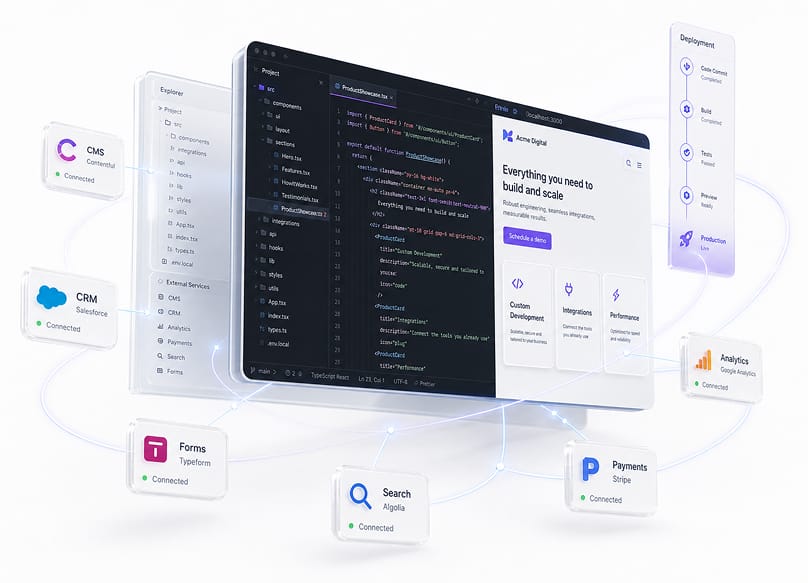

Product UI Design
Our product UI design work creates interfaces that feel natural to use and stay consistent across every screen.
Users move through the site without friction because the design makes the next step obvious.
Explore our Web Design services.
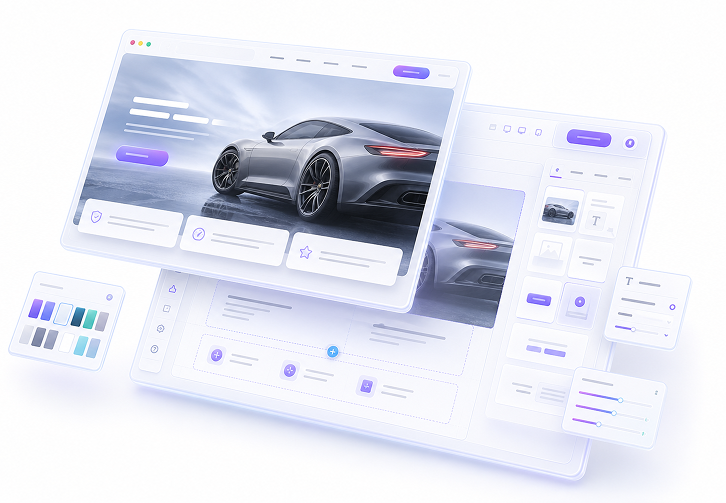

Website Redesign
We work with consumer goods brands that have outgrown their current site or are losing ground to competitors with a stronger digital presence. The redesign covers structure, visuals and the strategy behind both.
Explore our Website Redesign services.

SEO Services
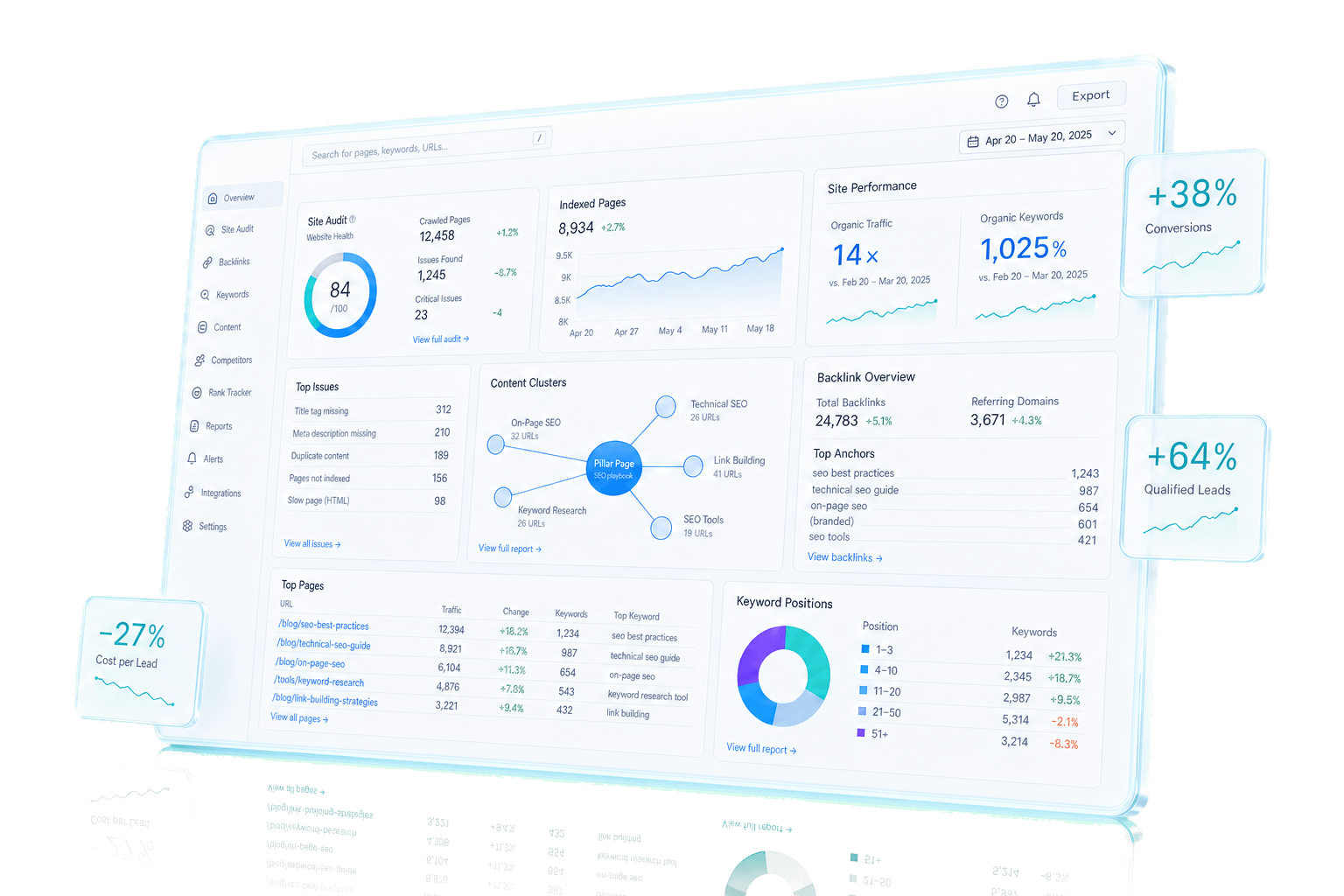
Our experts handle site architecture, page structure, on-page content and technical performance so your product website ranks for the terms your buyers search.
Explore our SEO services.

Maintenance & Support
Your site needs attention long after it goes live.
We take care of updates, security patches, platform changes and performance issues before they turn into bigger problems.
Let’s build what comes next.
World-Class Product Web
Design You Can Trust
Our consumer goods web design agency works with product brands
of all sizes to build sites that attract buyers and drive results.














Our ProductWeb Design Process
Good product websites don’t happen by accident. Here’s how our product website design agency approaches every project.
Strategy & Discovery

We start every product website design project by getting under the hood of your business. We explore what you sell, who buys it, where your current site is losing people and what your competitors are doing better.
That picture is what drives every decision that follows.
Before we start creating your website, we figure out how it should work. Our product website design team thinks of the page structure, navigation logic, URL hierarchy and the paths that move visitors toward a purchase.
For consumer goods brands, especially, getting this right early saves a lot of painful rework later.
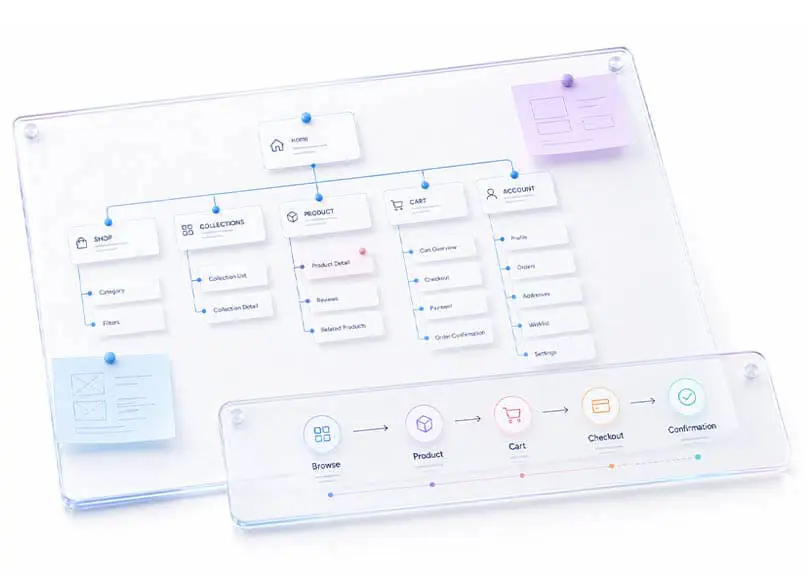

Our team explores how your buyers search and what they need to see before they commit.
From there, we build out the messaging and calls to action for each key page so the site speaks to the right person at the right moment.
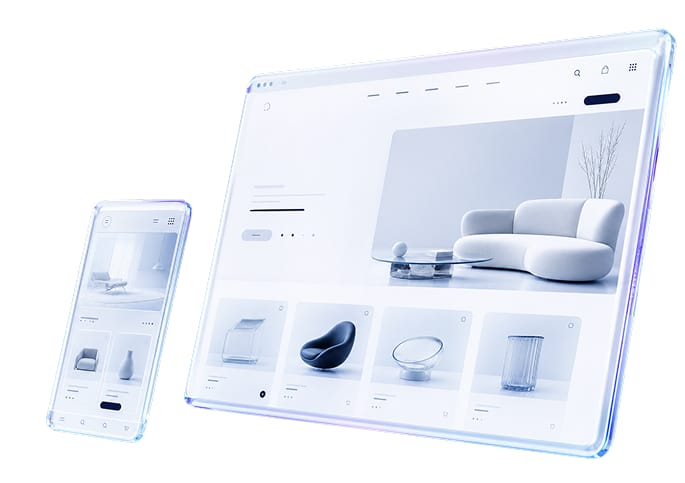

We wireframe every page and share it with you before the design phase starts. It’s a lot easier to move things around at this stage than after the visuals are done.
Once you’re happy with the structure, our product UX design team gets to work on the full desktop and mobile designs.
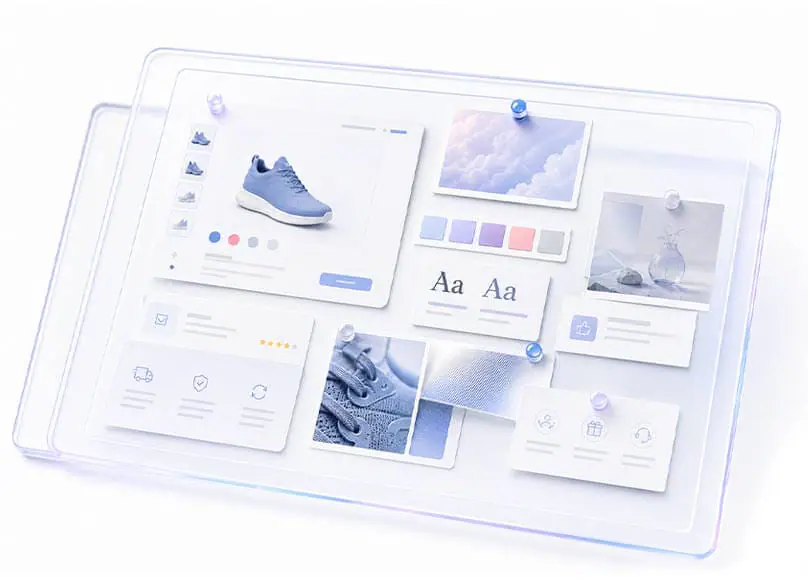

We build your product website for speed, stability and every screen size. Our team configures your CMS and connects your tools so the site works the way your business needs it to from day one.
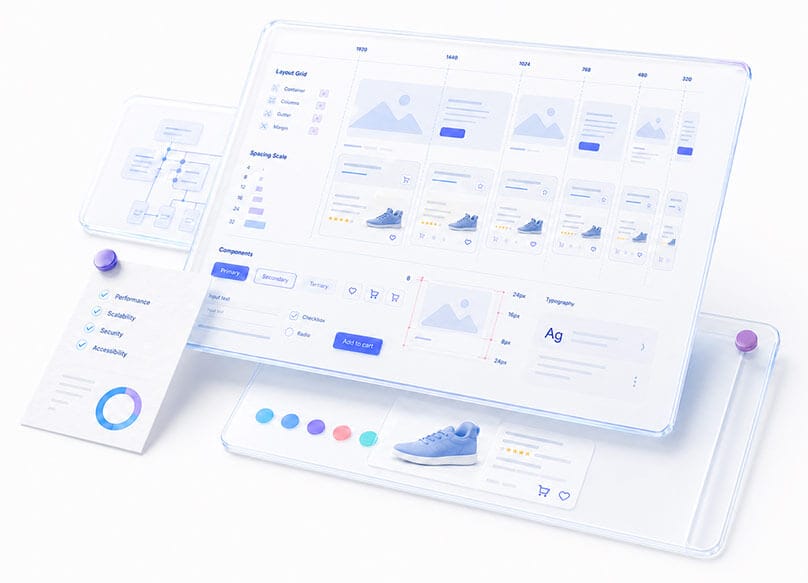

Our QA team runs your entire product web design through full testing before anything goes live.
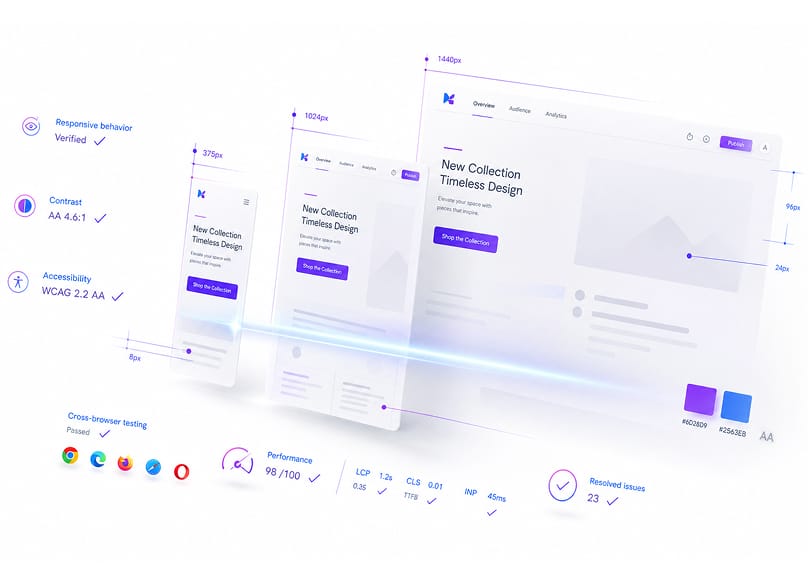
We check it all on different browsers, devices and screen sizes and test page speed, accessibility and security. A site with issues doesn’t go live until everything is tweaked to perfection.
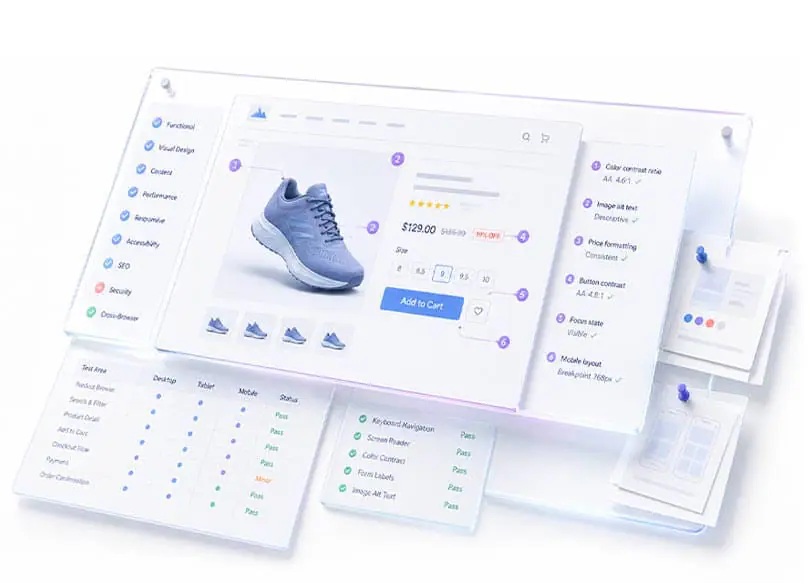
Optimization

Your site going live is just the start. We look at traffic, conversion data and user behavior and make changes based on what we notice.
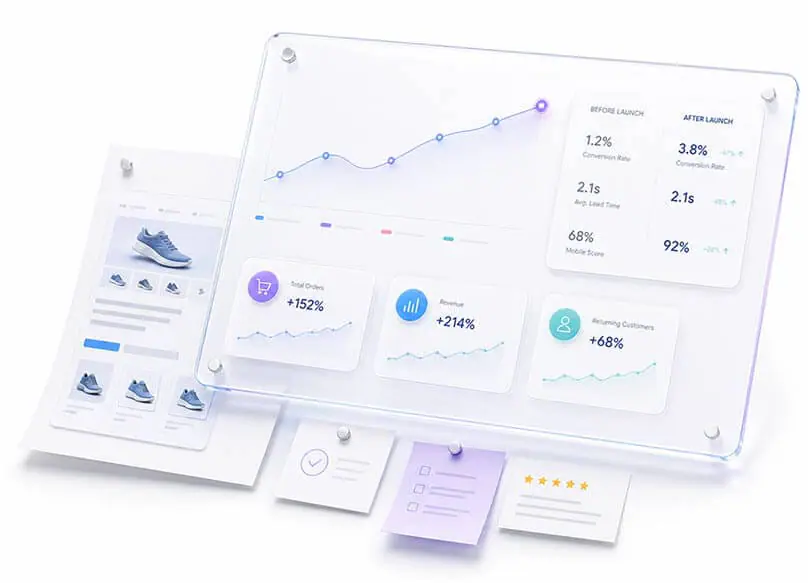
Full-Service Product Website Design Agency
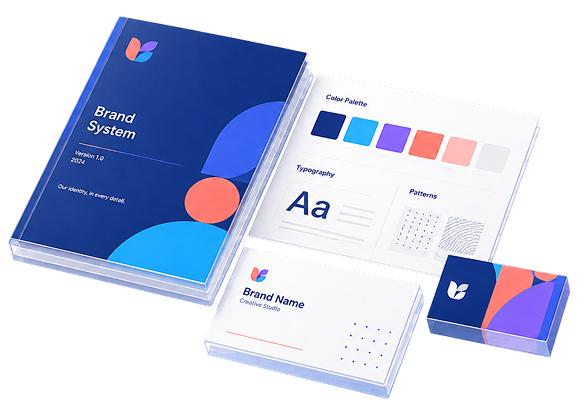
We help product brands build a visual and messaging foundation that stays consistent no matter what’s happening in the market. One that customers recognize immediately and trust over time.
Explore our Branding services.
Pages with no clear purpose, navigation that confuses rather than guides and product information buried where buyers can’t find it.
As a consumer goods web design agency, we plan your site around how your customers move through it and what they’re looking for, where they make decisions and what gets in the way of a purchase.
We handle the full build, front and back end and set up the infrastructure your team needs to keep things running smoothly as your catalog grows.
Explore our Custom Web Development services.
Our team creates product page copy, category descriptions and supporting content that speaks to your buyers directly. Everything is fact-based, specific and written to convert.
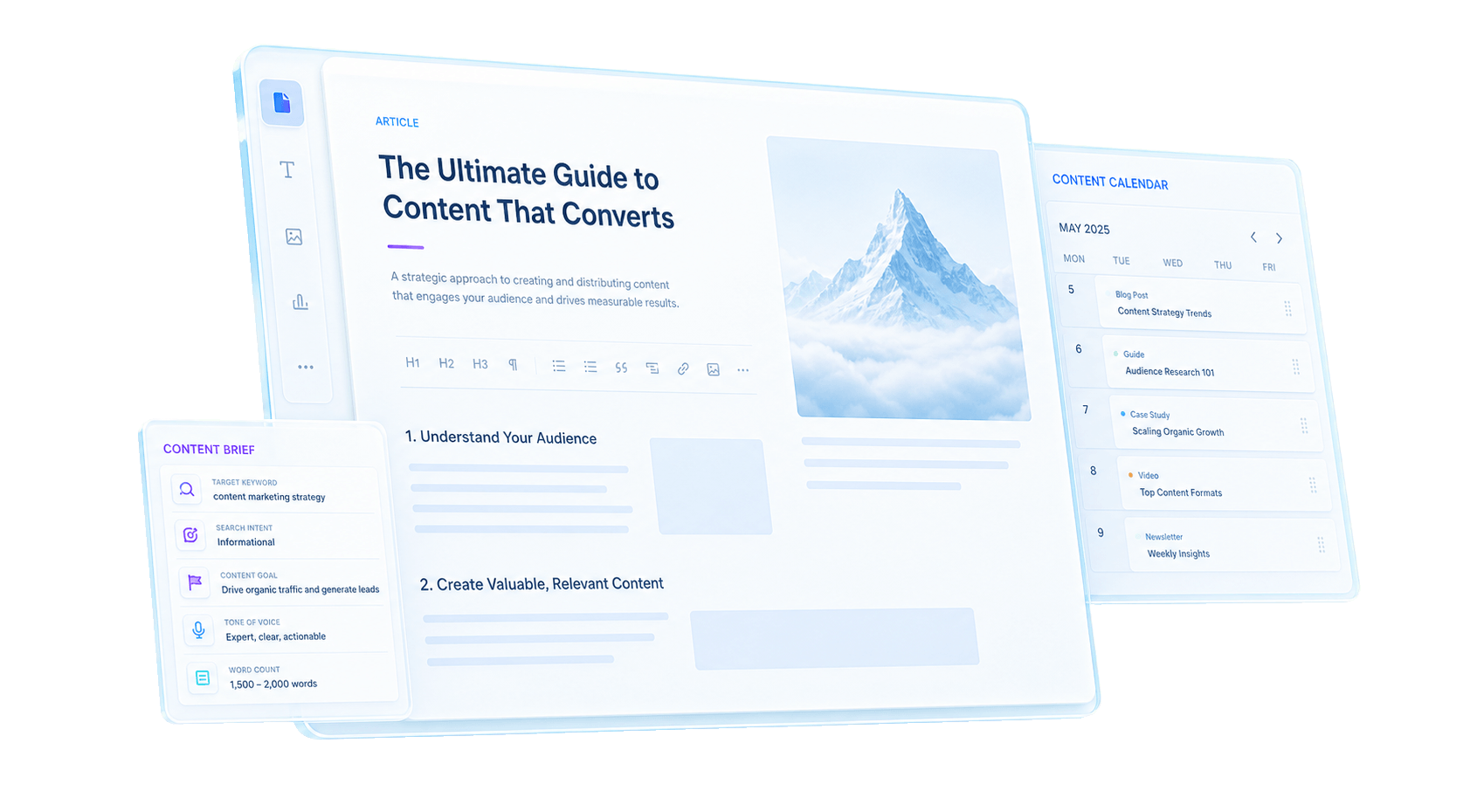
We help consumer goods brands grow their visibility through SEO, paid media and content marketing built around how their buyers actually search and shop.
Explore our Digital Marketing services.
Whatever your site needs as your business moves forward, we handle it.



Meet Our Product
Website Design Experts
Tell us what you’re working on and we’ll take it from there.
Why Product Brands Work With Us
helping us deliver award-winning product website design for brands across industries.
Our team brings strategic thinking and technical depth to every project and we keep you informed at every stage, so nothing moves forward without your input.
We provide you full support and proactive management from the first call through launch and beyond.
Strong visual direction, intuitive product UX design and conversion-focused structure give your brand the best possible starting point and room to scale from there.
Recognized Product Website Design Experts













-
Brand Strategy
-
Custom Web Design
-
Marketing Strategy
-
Creative Copywriting
-
Communication Strategy
-
eCommerce Development
-
Social Media Marketing
-
Content Marketing
-
Logo & Graphic Design
-
Mobile App Development
-
Search Engine Optimization
-
Influencer Marketing
-
UI & UX Design
-
Software & AI Development
-
Paid Media Marketing
-
Affiliate Marketing
-
Package Design
-
ERP Portal Integration
-
Email Marketing
-
B2B Direct Marketing
Product Website Design FAQs
What does a product website design company do?
We handle the full scope of your project, from strategy and structure to design, development and launch.
As a consumer goods web design agency, we also cover SEO, content and post-launch support so you’re not stitching together multiple vendors.
How long does a product website design project take?
Most projects land somewhere between 8 and 16 weeks.
A product website with a clear set of pages and standard functionality typically comes in around 10 weeks from kickoff to launch.
Custom integrations, large catalogs or platform migrations are a different story and those can go 24 weeks or more depending on how many moving parts are involved.
We build out a milestone timeline at the start of every project so both sides know what’s happening and when.
Which platforms do you build on?
Mostly Shopify, WooCommerce and Magento (Adobe Commerce), though we also build on custom stacks when the project calls for it.
The platform recommendation comes after we understand your catalog, how you handle inventory and what your team is comfortable managing after launch.
There’s no one-size-fits-all answer here.
Can you redesign an existing product website without starting from scratch?
Depends on what’s there.
Some sites just need the structure and visuals brought up to where the brand is today.
Others have deeper problems that a surface-level refresh won’t fix. We look at what’s working before deciding how far to take it.
Do you handle SEO as part of the product web design process?
Yes, and it starts well before launch.
Site architecture, URL structure, page speed and on-page optimization are all part of how we build.
SEO isn’t something we layer on at the end. Instead, we work on it from the very beginning.
Will my product website work on mobile?
Every product website we build is fully responsive.
We design for mobile from the get-go since Google prioritizes mobile-first designs.
A large portion of product research and purchasing happens on phones, so this isn’t something we treat as optional.
Can you integrate our website with our inventory or ERP system?
Yes. We’ve connected product websites to inventory, order and customer data systems so everything stays in sync in real time instead of updating in two places.
The integration approach depends on what you’re already running and how your team manages stock, so we scope it around your existing systems rather than asking you to change how you operate.
Who owns the website once it’s built?
You do. Once the project is complete, the code, designs and content are yours, along with access to the platform and any accounts tied to the build.
The one exception is any third-party plugin, licensed component or tool we use to build it, which stays under its own license, standard for any agency-built site.
What data or access do you need from us to get started?
Less than most people expect. The essentials are your business goals, how you currently sell and service customers, and the main challenges your current site or brand is facing.
Beyond that, anything helps: analytics access, past campaign data, brand guidelines and a list of competitors you rate. If you don’t have clean data or research, that’s not a blocker, we’ll fill the gaps.
Can you build a site that supports both retail and wholesale customers?
Yes, and it’s a common request from consumer goods brands outgrowing a single storefront. That usually means separate pricing tiers, gated wholesale catalogs and tools for invoicing and fulfillment alongside your standard retail experience.
We built exactly this for Glenwood Snacks, moving them off Squarespace onto a custom WooCommerce site that handles both sides of the business from one platform.
Digitizing Your Business Growth
Start A Conversation With Us
"*" indicates required fields