
Healthcare Web Design In New York
We design and build healthcare websites for practices, provider groups, health systems and digital health companies across New York City, Long Island, Westchester and upstate — with the compliance, accessibility and patient-acquisition realities of this state built in from the first wireframe, not bolted on before launch.


"*" indicates required fields









Why New York Healthcare WebsitesCarry Risk The Rest Of The Country Doesn’t
-
01One In Three Us Web Accessibility Lawsuits Is Filed In New YorkIn 2025, 3,117 website accessibility lawsuits were filed in US federal court. New York’s federal courts accounted for 1,021 of them — roughly a third of the national total, and more than any other jurisdiction by a wide margin. Website cases now make up 36% of all ADA Title III federal filings, up from 28% the year before.
Healthcare sites sit squarely in the blast radius. The features that make a medical website useful are the same ones that generate claims: appointment request forms, insurance verification tools, patient portal logins, provider directories with filter controls, downloadable intake PDFs, and embedded scheduling widgets from third-party vendors. Each is a place where keyboard navigation, focus order, form labeling and screen reader output can quietly fail.
Most of these failures are invisible to the practice. They are not invisible to a tester.
Designing for accessibility after the fact is expensive and rarely complete. We treat WCAG 2.1 AA as a design constraint from wireframe onward — color contrast fixed in the palette, focus states designed rather than defaulted, form errors written as text rather than signaled by color, and every third-party embed audited before it ships. It costs less to build this way than to remediate, and it removes a category of risk that New York providers face at three times the national rate. -
02The SHIELD Act Covers Data HIPAA Doesn’tNew York’s SHIELD Act requires any business holding the private information of a New York resident to maintain reasonable administrative, technical and physical safeguards — regardless of where that business is located. For HIPAA-covered entities there’s an important wrinkle: compliance with HIPAA’s security rule is deemed sufficient for electronic protected health information, but not for everything else.
That gap lives almost entirely on the marketing website.
A newsletter signup, a “request more information” form, a contact form that captures a phone number and a reason for visit, a chat widget, a symptom quiz, a patient-satisfaction survey — these frequently capture information that isn’t ePHI under HIPAA but is private information under SHIELD. Many practices have a well-governed EHR and portal, and a public website that nobody has ever assessed.
We design healthcare sites with that distinction explicit: which forms capture what, where the data goes, which third-party scripts can see it, and what the consent language actually needs to say. It is a design and information architecture question long before it becomes a legal one. -
03New York’s Payer Maze Is A User Experience Problem“Do you take my insurance?” is the question that decides whether a New York patient calls you or the practice three blocks away. In this state that question is unusually hard to answer.
Between Healthfirst, MetroPlus, EmblemHealth, Fidelis Care, the NY State of Health marketplace, the Essential Plan and the commercial carriers, a New York patient may be carrying a plan whose name they can read off a card but whose network they cannot identify. A generic “we accept most major insurance” line pushes that uncertainty back onto them, and a meaningful share of them resolve it by leaving.
The practices that win this moment do something specific: a searchable, current, plan-level list, placed where the decision is actually made rather than buried on a billing page, with clear language about what to do when a plan isn’t listed. That is a content model and an interface decision. We build it as one. -
04You Are Competing Against Health Systems, Not PracticesSearch for almost any specialty in New York and the first screen is dominated by Northwell, NYU Langone, Mount Sinai and NewYork-Presbyterian — organizations with content teams, brand equity and domain authority an independent group cannot match head-on.
Trying to outrank them on broad specialty terms is a losing strategy. What works is depth where they are shallow: neighborhood and borough-level relevance, individual provider pages with real substance and correct schema, condition-level content written for how patients actually describe symptoms, and the operational signals — accurate hours, current insurance, working directions — that decide the local pack.
That shapes the site’s architecture, not just its content calendar. We plan it accordingly.
Our Healthcare Web Design Work
ABC Senior Services – Compassionate care, made easy to find
ABC Senior Services helps families find in-home care, healthcare coordination, companionship and daily living support.
Our experts reorganized the site with clear navigation, responsive layouts and SEO-optimized content for better rankings and authority.
Families now find the right service in moments, the care on offer clear the moment they arrive.
TRC Healthcare – A trusted name for clinicians, with a site to prove it
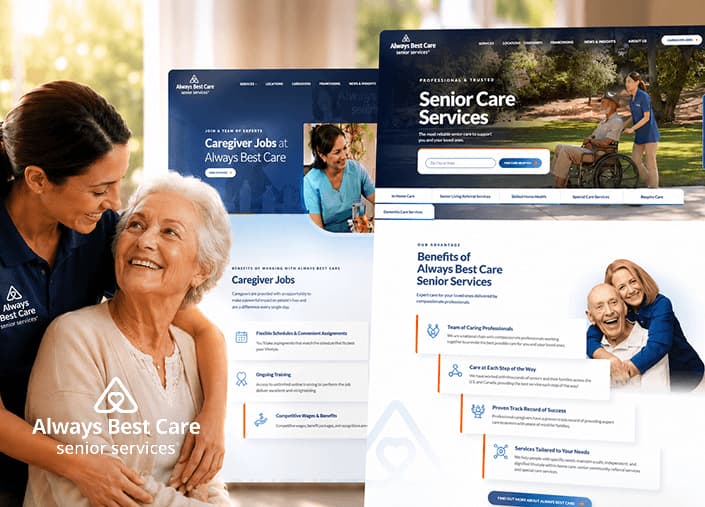
TRC Healthcare is a leader in continuing education for healthcare professionals, though its old site didn’t reflect that.
Our experts redesigned the platform to lead with the mission and impact, keeping the messaging clear and the design simple.
The difference TRC makes comes through right away, everything it offers easy to explore from the first visit.

What A New York Patient Checks Before They Call

Our New York Healthcare Web Design Services
Explore our services for healthcare practitioners across the Big Apple.

Accessibility-First Design
Contrast, focus states, keyboard paths, form labeling and screen reader output designed in from wireframe, with every third-party embed audited before launch. Documented, so you can show your work.

Compliance-Aware Data Architecture
Every form, script and integration mapped against HIPAA and the SHIELD Act, with consent language and data flows designed deliberately rather than inherited from a template.

Insurance & Payer Experience Design
A plan-level insurance model that patients can actually search, structured to stay current without a developer.
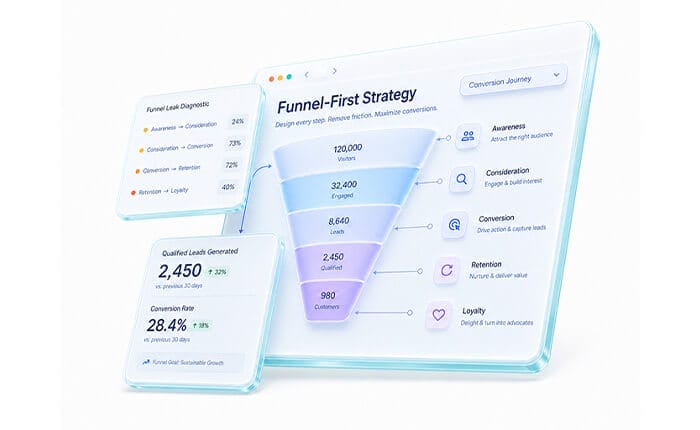

Provider Directories & Physician Pages
Filterable directories and substantive provider profiles with correct structured data, built to compete for name and specialty searches.
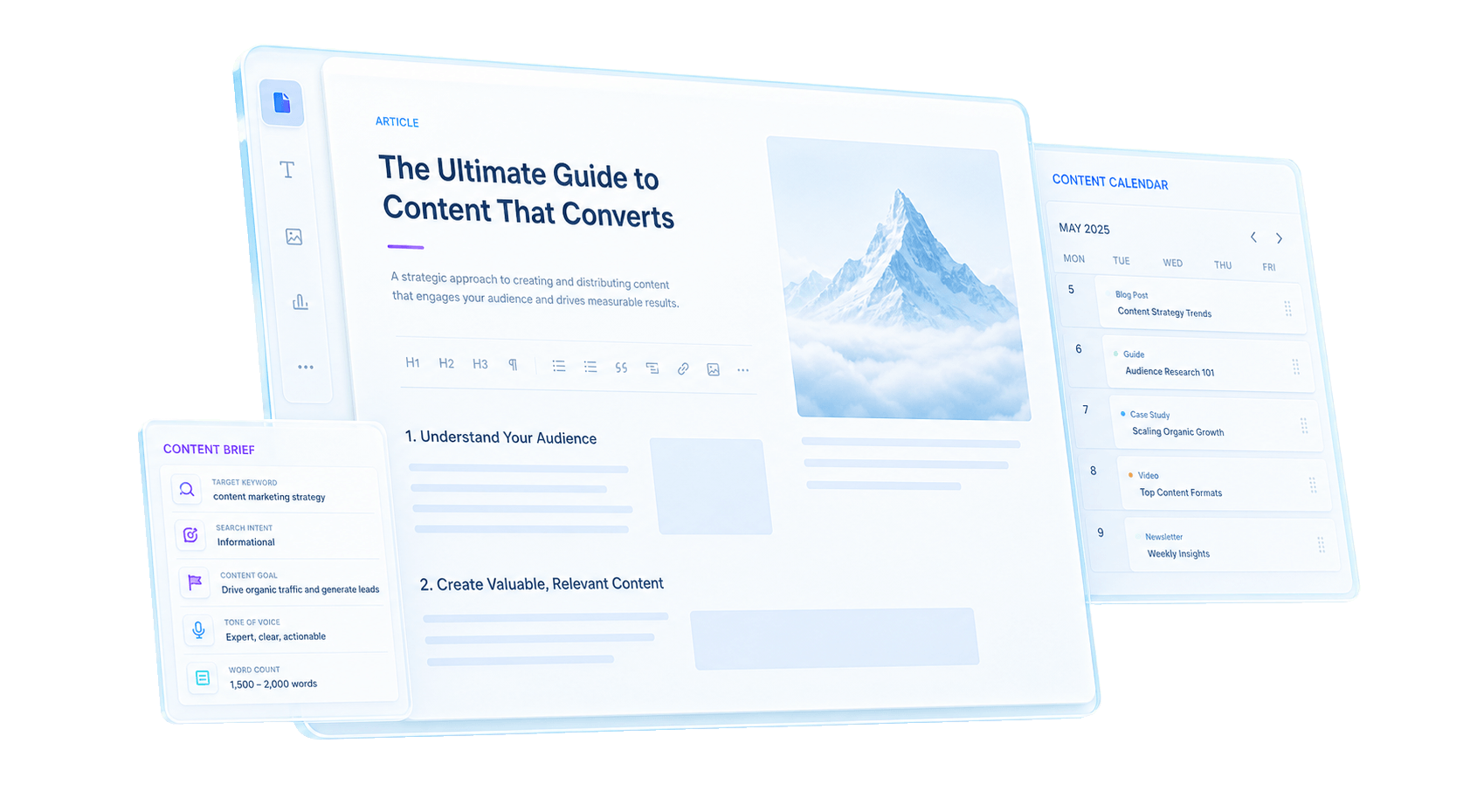

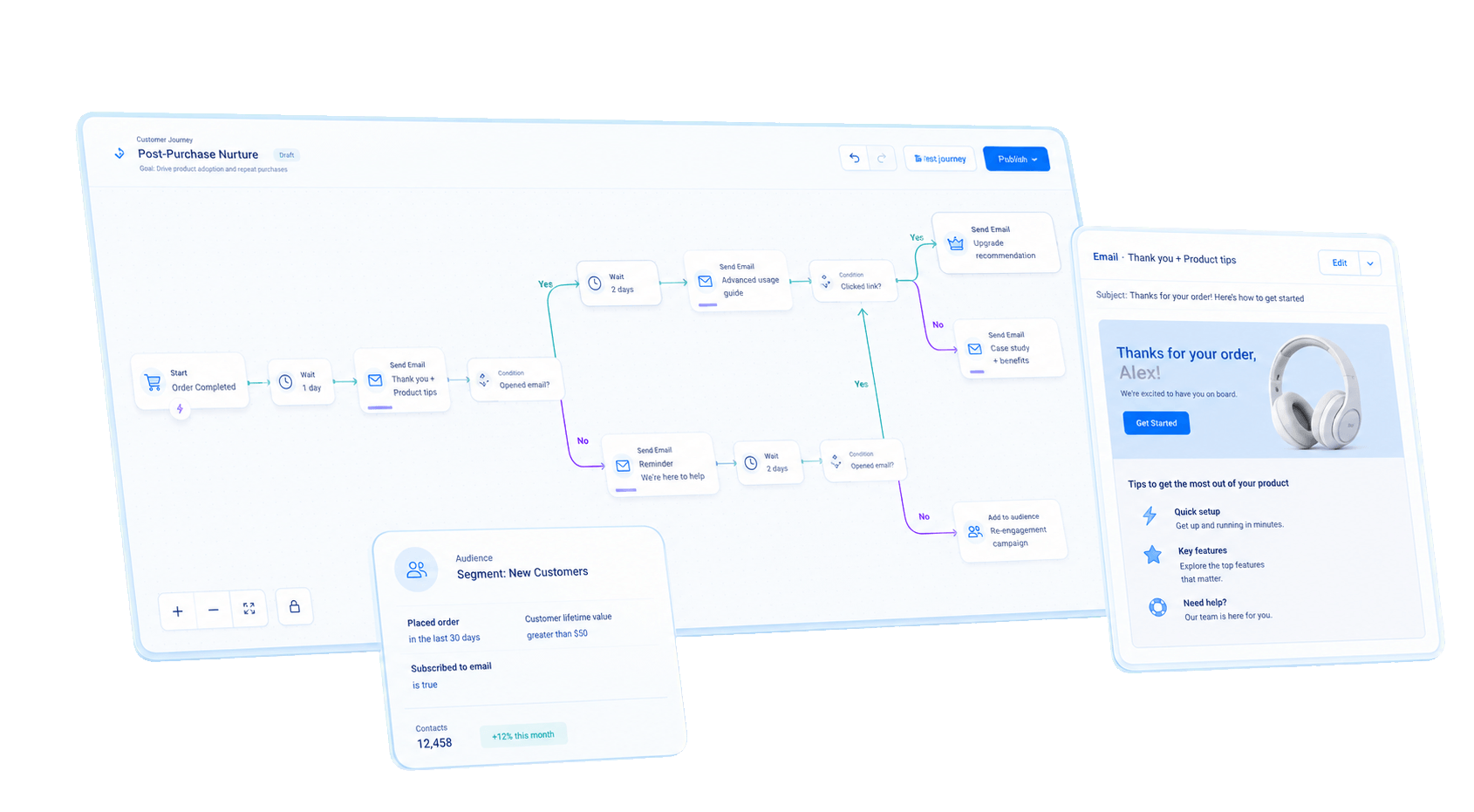
Patient Journey & Conversion Optimization
Appointment request flows tested against real patient behavior, from first search to confirmed booking.

Why New York Healthcare BrandsWork With Digital Silk
-
01Healthcare DepthSenior care, behavioral health, specialty practice, elective, health tech and medical education. We’ve designed for the regulatory and emotional constraints of each.
-
02Accessibility As DesignWCAG 2.1 AA treated as a design requirement, not a remediation line item — which matters more here than anywhere else in the country.
-
03Project OwnershipOne team from strategy to post-launch. No handoffs between agencies, no gaps where compliance decisions get lost.
-
04Measured GrowthWe report on appointment requests, qualified traffic and patient acquisition. Not impressions.
Our HealthcareWeb Design Process
See the step-by-step process that we follow for healthcare web design in New York.

We learn your practice, your patients and what already works, including where patients drop off before booking.
We audit your site for accessibility gaps and log every third-party script running on it. We define goals and confirm the platform that supports the patient journey you need.
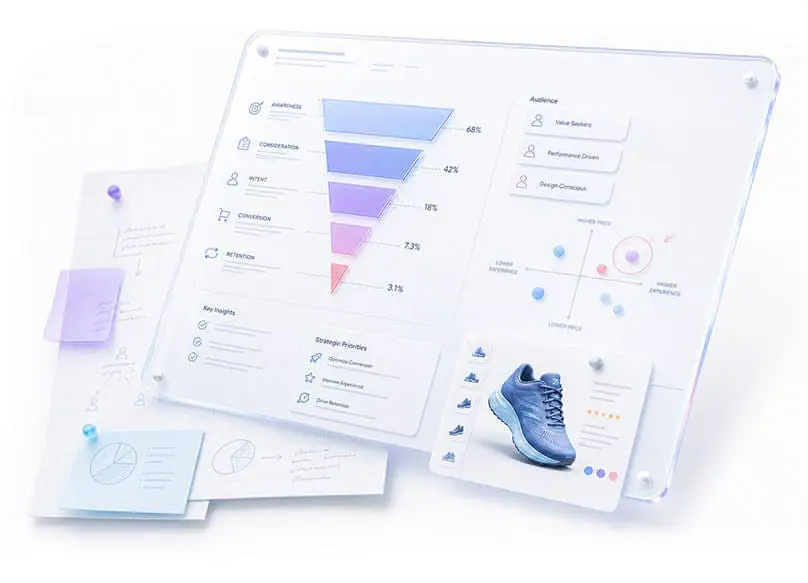

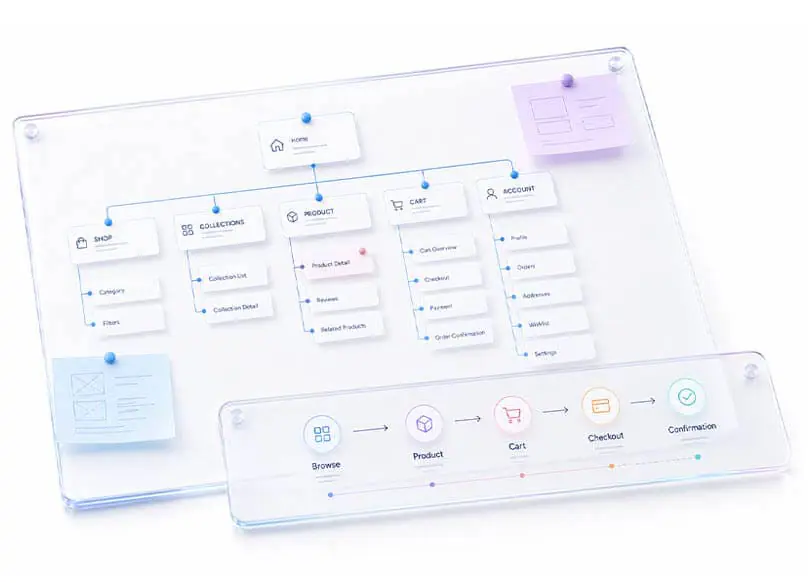
We map how patients move through your site, appointment requests, insurance questions, provider bios, before any screen gets designed.
From there we build the UI, custom or themed, with interactions placed where they help patients book. An accessibility review checks contrast and navigation before anything moves to development.

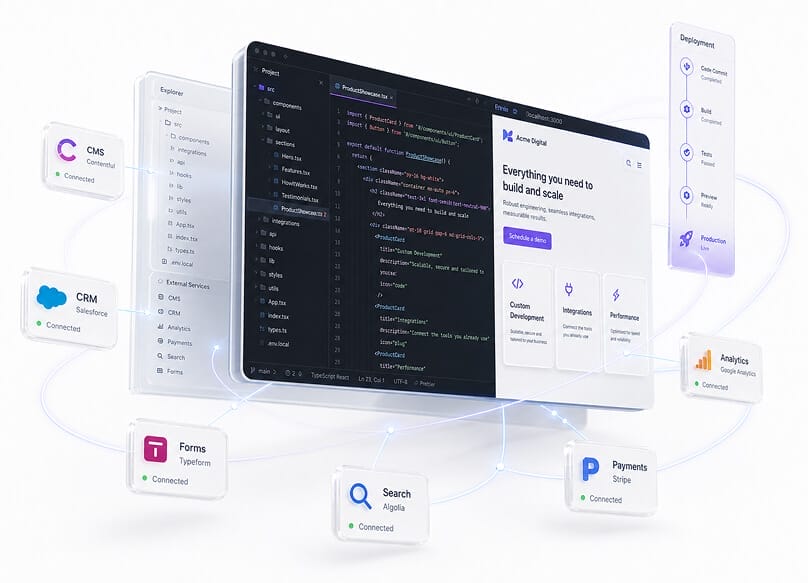
Our developers turn the approved design into a working site. We handle intake forms, scheduling integrations, provider directories and any EHR connections.
Custom functionality gets built under the same roof, so you’re not coordinating separate teams.
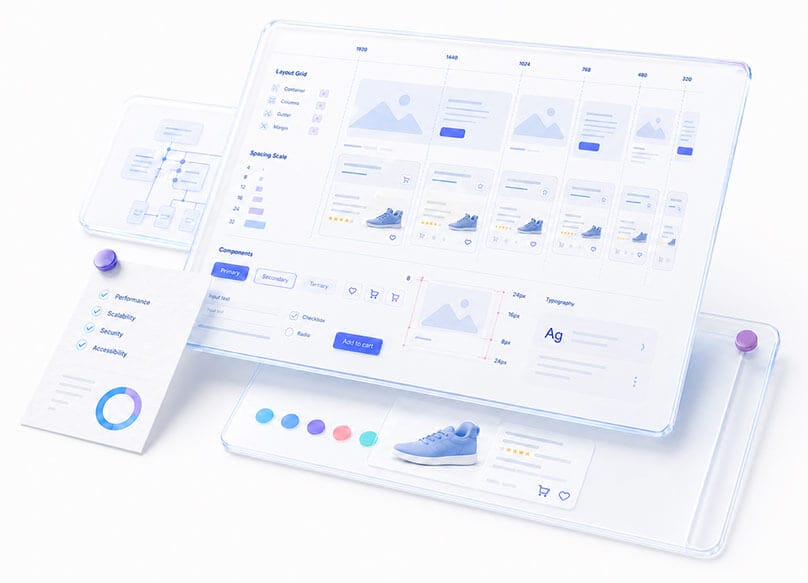
Nothing goes live until we’ve tested the full site ourselves. We run appointment booking and form submissions across devices and browsers.
We catch broken widgets, forms and slow pages before your patients do.

Once you’re ready, the site goes live, and we watch it closely for the first few days.
After that, we track which pages patients spend time on and which service pages convert. We use that data to keep improving the site over time.

New York Healthcare Web Design FAQs
Does a healthcare website in New York need more than HIPAA compliance?
Yes. HIPAA governs protected health information, but New York’s SHIELD Act covers the private information of any New York resident and applies to businesses regardless of where they’re located.
For a HIPAA-covered practice, compliance is deemed sufficient for ePHI — but the marketing website often captures data that falls outside that definition. Contact forms, newsletter signups, chat widgets and quizzes are the usual gaps.
How exposed is my practice to a website accessibility lawsuit in New York?
More than most of the country. In 2025, 1,021 of the 3,117 web accessibility lawsuits filed in US federal court were filed in New York — roughly one in three.
Healthcare sites are frequent targets because appointment forms, portal logins and provider directories are exactly where accessibility failures concentrate. We can audit your current site against WCAG 2.1 AA and show you where the risk sits.
Can you make my site accessible without redesigning it?
Sometimes. Contrast, labeling and keyboard issues can often be fixed in place. But if the problems are structural — heading hierarchy, focus management, a scheduling widget that isn’t accessible at all — remediation costs more than a rebuild and leaves you with a site that still doesn’t convert. We’ll tell you honestly which situation you’re in after an audit.
Do you work with practices outside NYC?
Yes. We work with providers across all five boroughs, Long Island, Westchester and upstate New York.
Multi-location groups are common work for us — location architecture is one of the harder problems in New York healthcare and one we’ve solved repeatedly.
How should my website handle insurance?
With a searchable, plan-level list, placed where patients make the decision rather than on a billing page, and kept current without needing a developer.
In New York this matters more than almost any other market because plan names and network names frequently don’t match, and patients can’t resolve that themselves.
How long does a healthcare website project take?
Most projects run 12–20 weeks depending on scale, integrations and how much content needs writing.
Compliance and accessibility review are built into the timeline rather than added at the end — which is why our timelines look slightly longer than agencies that treat both as a pre-launch checklist.
Can you integrate with our EHR or scheduling platform?
Yes, and we audit the accessibility and data handling of any third-party embed before it ships. A scheduling widget you didn’t build is still a scheduling widget on your site, and it carries your risk.
