


 Crypto Brand Strategy And Identity
Repositioning a crypto mining brand with a clearer visual identity and messaging direction
Click to view project
Crypto Brand Strategy And Identity
Repositioning a crypto mining brand with a clearer visual identity and messaging direction
Click to view project

Professional Rebranding Agency
Work with a top-ranked rebranding agency to rebuild how your market sees you, from name and identity to messaging and positioning to:
- Look as capable as you actually are
- Stand apart from lookalike competitors
- Command higher perceived value
- Align every touchpoint under one clear identity


Scroll

OUR PORTFOLIO
Featured Branding Projects
Explore our branding and design work in partnership with various businesses
from startups to Fortune 500 companies.
from startups to Fortune 500 companies.
Crypto Brand Strategy And Identity
Repositioning a crypto mining brand with a clearer visual identity and messaging direction
Click to view project


 Electronic Components Brand Strategy
Building a modern brand identity for a specialized electronic components sourcing company
Click to view project
Electronic Components Brand Strategy
Building a modern brand identity for a specialized electronic components sourcing company
Click to view project



 Multifamily Real Estate Rebranding
Creating a more sophisticated identity for a real estate advisory firm
Click to view project
Multifamily Real Estate Rebranding
Creating a more sophisticated identity for a real estate advisory firm
Click to view project


 Hybrid Power Brand Repositioning
Improving the branding through strategy, messaging and event-ready visual direction
Click to view project
Hybrid Power Brand Repositioning
Improving the branding through strategy, messaging and event-ready visual direction
Click to view project


 Faith Community Brand Repositioning
Shaping an uplifting identity for a modern faith community rooted in spirituality in action
Click to view project
Faith Community Brand Repositioning
Shaping an uplifting identity for a modern faith community rooted in spirituality in action
Click to view project


 Aviation Tech Rebranding Toolkit
Clarifying the global brand strategy, messaging with execution-ready guidelines
Click to view project
Aviation Tech Rebranding Toolkit
Clarifying the global brand strategy, messaging with execution-ready guidelines
Click to view project


What DIGITAL SILK HAS TO OFFER
OurRebranding Services
From strategy to design and implementation, work with our brand experts, web designers and marketing specialists to reinvent your brand.
Rebranding Strategy

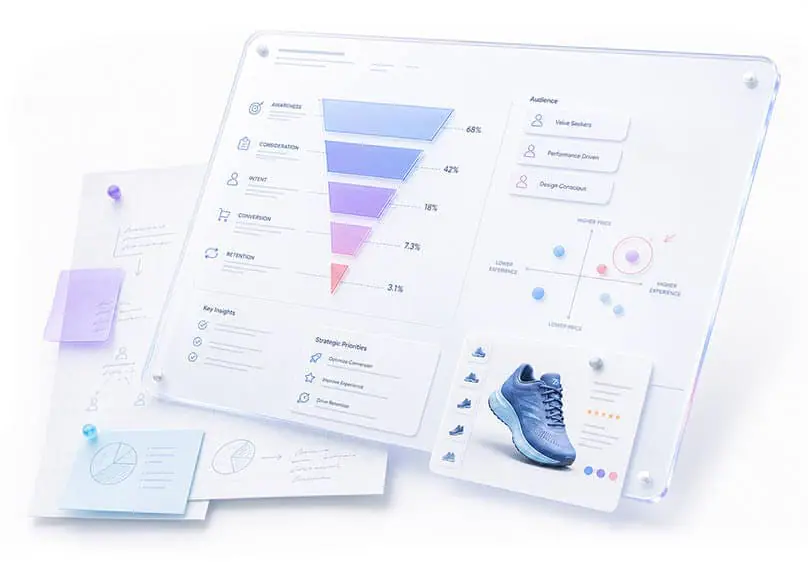
The right rebranding strategy.
Create a research-based rebranding strategy that redefines your target audience, brand foundations, optimal positioning, focused messaging and visual identity.
We analyze your current brand, industry and competitors to see where you fall short. Then, our branding specialists deliver a custom strategy to guide you to brand growth.
Explore brand strategy services.

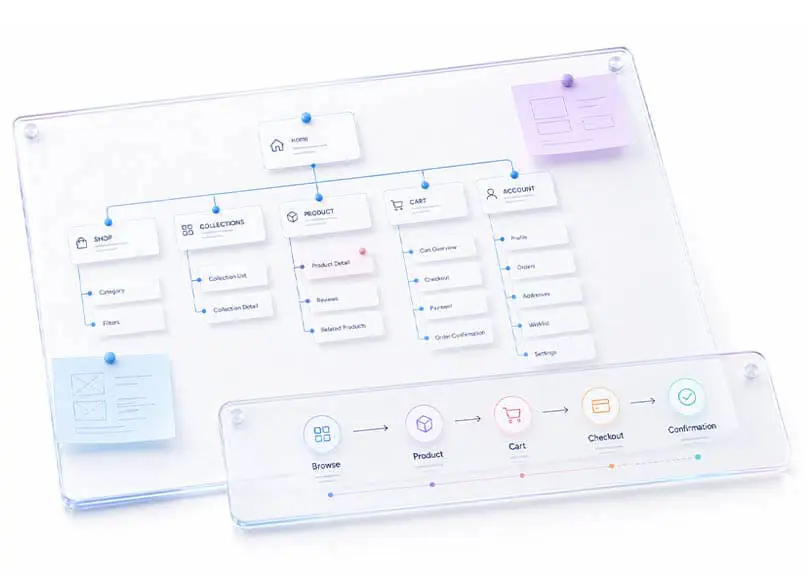
The brand name matters.
Transform your brand associations with a new, unique and memorable name.
We consider the memorability, resonance, differentiation and impact of your current name before making improved suggestions that will connect with your audience and transformed brand identity.

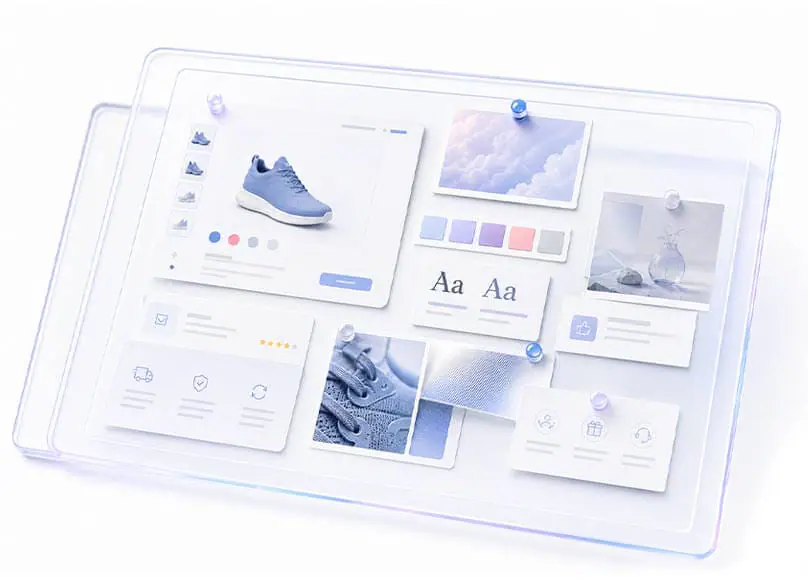
A uniform look across your entire site.
Collaborate with some of the best designers in the industry to create a distinctive visual identity for your brand, including a new logo, color palette, typography and imagery.
At the end of this creative process, you will have all your visual assets, new and old, documented in a professional brand book.
Explore our brand design services.

The logo is just as important.
Tell your brand’s story and make a lasting impression on your customers with memorable logo redesign.
Our award-winning designers will work with you to ensure that your new logo reflects your brand’s core values and is seamlessly integrated across all touchpoints, including websites, packaging, advertising and social media.
Explore logo design services.
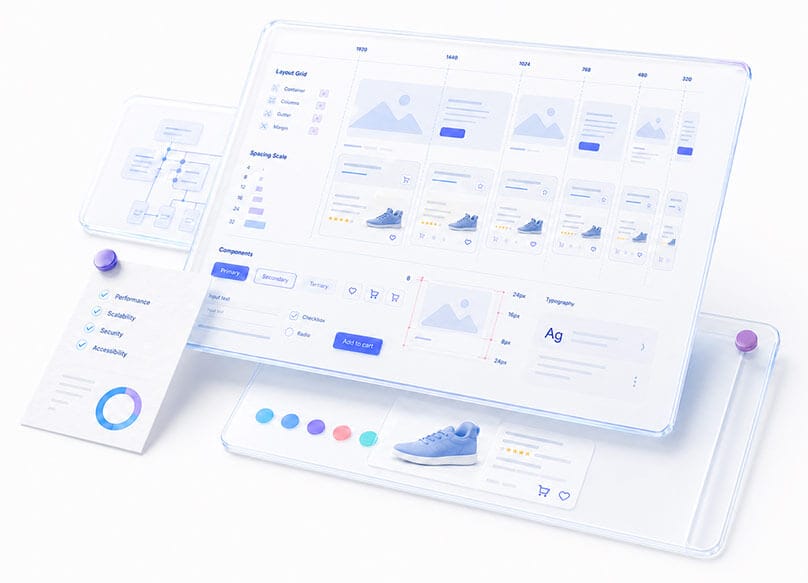

Exciting package design to drive sales.
Influence purchase decisions and drive sales with innovative, eye-catching new package designs.
We deliver captivating packages that communicate your product and brand’s core information through succinct, engaging messaging.
Explore package design services.


OUR CLIENTS
Reliable Rebranding Agency
Our rebranding projects help businesses across industries reposition their brand for online growth.

IBM

Northwestern University

Paul Stuart

Rollink

Spar & Bernstein

ZipTie

Babies R Us

Xerox

Absolute Dogs

Mitsui Plastics

Puma Energy

Enchant Christmas

Grenco Science
Our Rebranding Process
We transform brands through a tried-and-tested approach that delivers measurable results.
Brand Discovery
Brand Discovery
By talking with your team and researching your data and analytics, we learn about your current brand, its pain points with your target audience and potential opportunities for growth within your industry.
In this phase, we work with you to:
- Outline your brand’s new mission and vision
- Define your updated target audience
- Identify the goals of your rebrand
Brand Strategy
Our brand strategists deliver a step-by-step approach to achieving measurable results through your rebrand. From techniques to processes, we outline an actionable path for your project.
In this phase, we work with you to:
- Set up your key performance indicators (KPIs)
- Address brand pain points and opportunities
- Rework your messaging to resonate with your audience
Brand Logo & Visual Identity
We define your full visual identity and design your logo and supporting elements through brainstorming, sketching and multiple concepts.
From a logo refresh to a complete brand design overhaul, we work to transform the visual elements of your brand. Our research, brainstorming and feedback stages ensure the delivery of well-considered and discussed visual assets for your brand.
In this phase, we work with you to:
- Present new logo designs
- Reshape your brand’s visual elements
- Create physical and digital brand collateral
Brand Book & Guidelines
We create a brand book and style guide from scratch to support your rebrand. Housing all your brand details, new and old, your brand book acts as a focal point to ensure the consistency of your new brand elements.
In this phase, we work with you to:
- Build your brand book
- Define how to use your rebranded elements
- Identify guidelines for cross-channel consistency

Industries Served
Professional Rebranding For All Industries
Our team reinvigorates and reshapes brands across industries.
From strategic repositioning to refreshing designs, we work with brands of all backgrounds to address and fix current stumbling blocks.


Stay On Top Of Digital Trends
Subscribe to our newsletter to get the latest industry insights and web design and branding best practices delivered to your inbox.
"*" indicates required fields
Rebranding Agency FAQs
What are rebranding services?
Rebranding services are solutions targeted at changing the image and identity of a company or product.
They allow a company to stay relevant and adapt to the constantly shifting market conditions, consumer preferences, and competitors.
A rebrand can also help a company to differentiate itself from its competitors and establish a stronger market position.
What does a rebranding agency do?
A rebranding agency will utilize internal and external research, as well as experience and innovation, to update and improve a business’ branding strategy.
Whether brand foundation or positioning, brand redesigns or end-to-end rebranding strategy, a rebranding agency will take ownership of your brand’s path to success.
What rebranding services do you offer?
Our rebranding services include brand strategy, visual identity design, brand guidelines and rebranding implementation across various touchpoints such as websites, packaging, advertising, and social media.
On top of logo design, brand positioning and more, we also build comprehensive brand books for our clients, to ensure consistency across channels during and after the rebrand.
As a full-service digital agency, we can handle all of your digital needs under one roof. If your needs go beyond branding and into marketing, consulting, web design or other areas, our experts are here to help.
Contact us for a custom quote for your project!
Is it legal to buy a product and rebrand it?
Most situations require a white label agreement, where products are agreed to be bought and rebranded legally.
However, each situation will be different and requires industry expertise to navigate.
We suggest contacting our branding experts to learn more about your rebranding requirements.
How do I rebrand my business?
There is no single approach to rebranding a business, as every company has different goals, challenges, and opportunities.
A successful rebrand typically involves evaluating your current brand identity, researching your audience and competitors, engaging employees in the process, and clearly communicating your updated identity.
If you need guidance throughout the process, our branding experts are here to help.
How should I prepare for a rebranding project?
Before starting a rebranding project, it is important to do some research.
Look at examples of successful brand websites and logos to get a sense of the components of effective branding.
Talk to experts about what your expectations are so that they can address your needs.
Be sure to give yourself enough time for the project and don’t forget to leave room for feedback sessions.
If something doesn’t feel right or should be changed, never be afraid to speak up – better now than later when the re-work will cost you more time and resources!
Where are your offices?
We are a global company with presence across the U.S. and Europe. All of our communication and meetings will take place online — so you don’t even have to leave your home office.
For scheduling purposes, you should know that our hours of operation are 9:00 AM – 5:00 PM, Eastern Standard Time.
Want to schedule a call? Get in touch and request a consultation for your next creative design project.
What’s the difference between a rebrand and a brand refresh?
A refresh updates how your brand looks and sounds while keeping the underlying positioning intact — a modernized logo, a tighter color palette, cleaner typography, sharper messaging.
A full rebrand goes deeper. It revisits who you’re for, what you stand for and how you’re positioned against competitors, then rebuilds the identity around those answers. A refresh is the right call when the strategy still holds but the execution has aged. A rebrand is the right call when the business has outgrown the story it’s telling.
How do I know if it’s time to rebrand?
The clearest signals are strategic, not aesthetic. You’ve moved upmarket but still look like a startup. You’ve added services or entered markets your brand never accounted for. You’re consistently mistaken for a competitor. Your best salespeople are talking around the brand instead of leading with it.
There are practical signals too — inconsistent assets across channels, a name that no longer fits what you sell, or design that’s holding back conversion. We start most engagements with a brand audit to separate the problems a rebrand solves from the ones it won’t.
How long does a rebranding project take?
It depends on scope and how quickly decisions get made on your side. A visual identity refresh moves faster than a full repositioning with renaming, research and a multi-channel rollout.
The biggest variables are the amount of primary research required, how many stakeholders need to sign off at each stage and how many touchpoints have to be redesigned once the identity is approved. We map a realistic timeline into your proposal before kickoff rather than working to a generic estimate.
What determines the cost of a rebrand?
Scope, mainly. A logo and style guide project sits at one end. A full engagement covering research, repositioning, renaming, visual identity, brand book, website and rollout collateral sits at the other.
We scope each project individually and provide a custom proposal after a brand audit.
Do I have to change my company name to rebrand?
No. Most rebrands keep the name. A name change makes sense when the current one limits you — it’s tied to a product or region you’ve outgrown, it’s hard to say or spell, it conflicts with another company, or it carries associations you’re trying to move away from.
When renaming is on the table, we test candidates for memorability, differentiation and audience resonance before recommending a direction. Keeping a strong name and changing everything around it is often the better play.
Will we lose customers or brand equity by rebranding?
Equity lives in what customers already recognize — a color, a shape, a phrase, a feeling. A good rebrand identifies those assets and carries them forward rather than erasing them.
Where rebrands go wrong is silence, which is why we have a huge case study section telling the world once we finish a rebrand for a client.
Should we rebrand after a merger or acquisition?
Usually something has to change, but the right answer varies. You might consolidate everything under one brand, keep both as separate offerings, or build a new identity that neither legacy company owns.
The decision comes down to where the equity sits, how much audience overlap exists and what you’re signalling to the market. We work through those options with leadership before committing to a direction, because reversing this one is expensive.
Do we need a new website as part of the rebrand?
Not always, but often. Your website is where most people encounter the brand first, so a new identity applied to an old site tends to expose the gap rather than close it.
If the existing site is structurally sound, we can apply the new identity to it.
If the architecture, performance or content is already working against you, rebuilding alongside the rebrand is usually more efficient than doing it twice. Explore our website redesign services.
Stay Ahead in 2026!
Download the Top Digital Trends Shaping Branding & Web Design
"*" indicates required fields
Ready To Grow Your Brand Online?
Take The Smart Road To
Digitizing your Business Growth
Start a conversation with us
"*" indicates required fields