
Energy Web Design
- Professional & Responsive UI/UX Design
- Custom Modules & Visual Elements
- Sector-Specific Messaging & Integrations




Our Energy Website Design Portfolio
how we deliver measurable results for our clients.
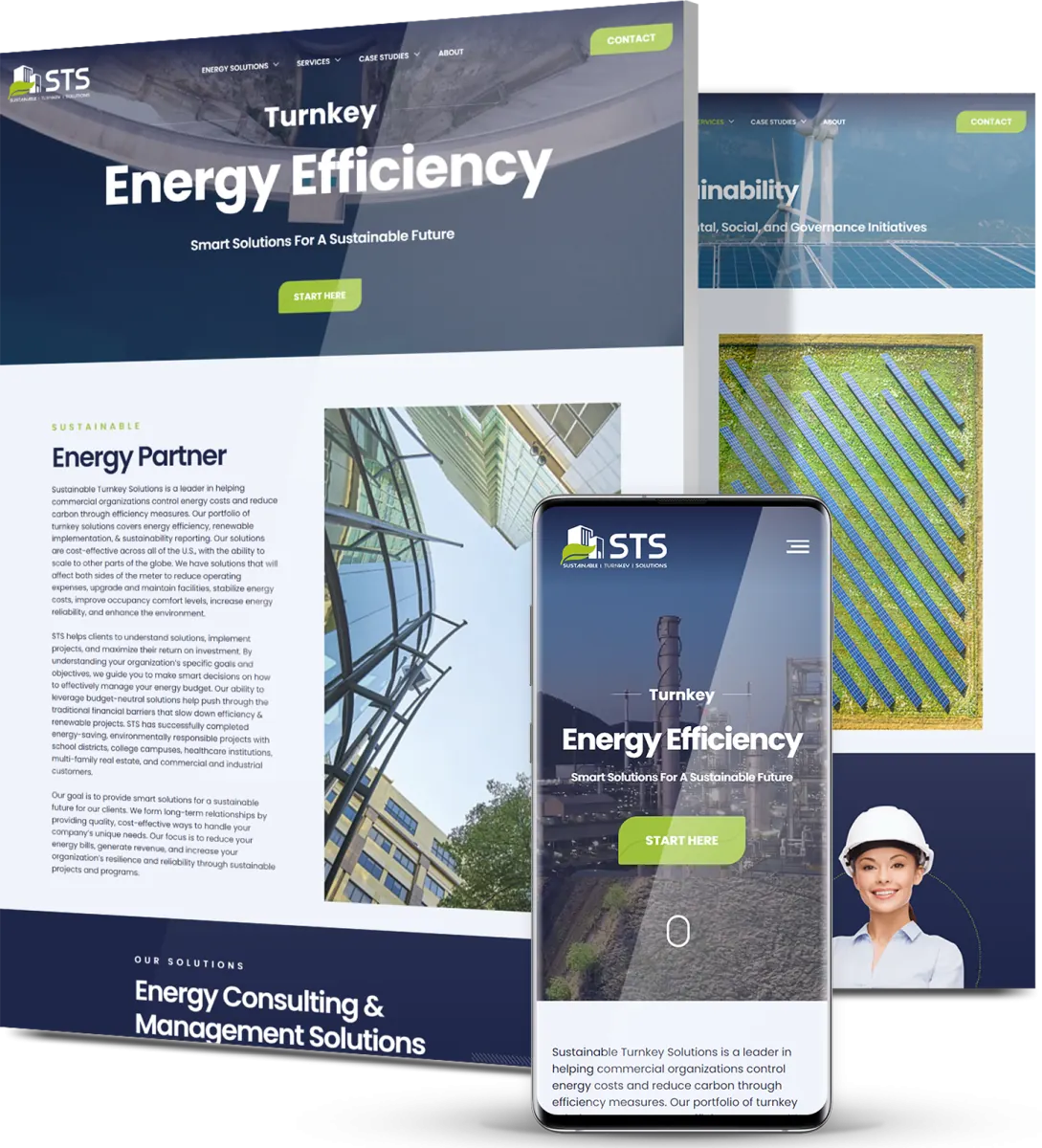
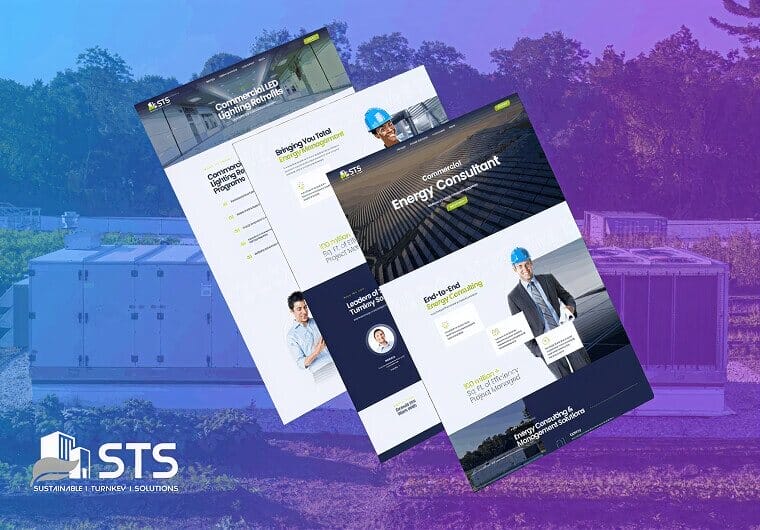
STS Group’s Revamped User Interface
We modernized STS Group’s energy web design with high-quality industrial visuals and improved navigation to help attract B2B buyers.
We clearly displayed the company’s unique value proposition on the modernized site and added micro-animations that better showcase its expertise.
Our team also added specific interactive service modules that would target different groups of visitors and lead them toward conversion.
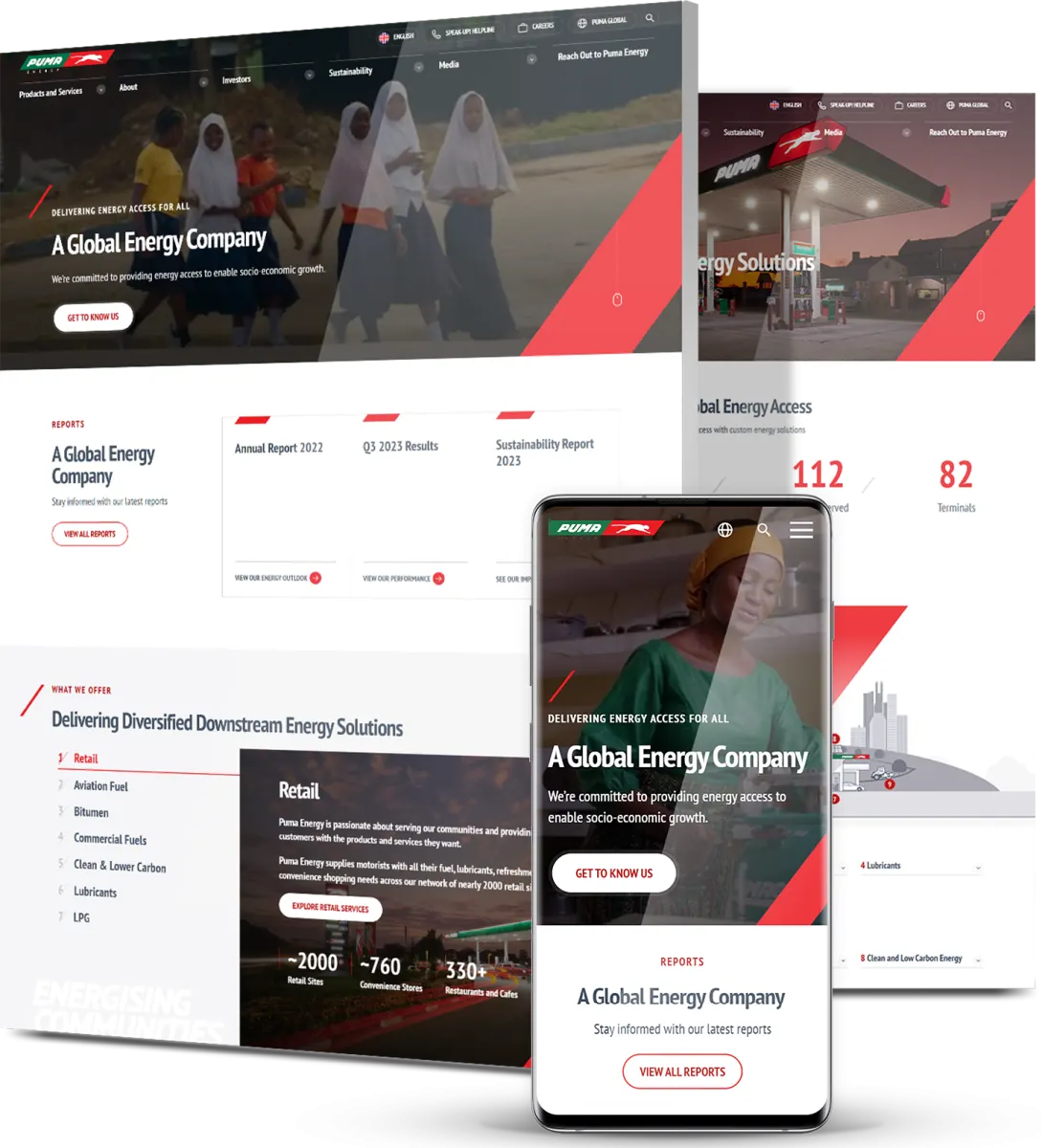
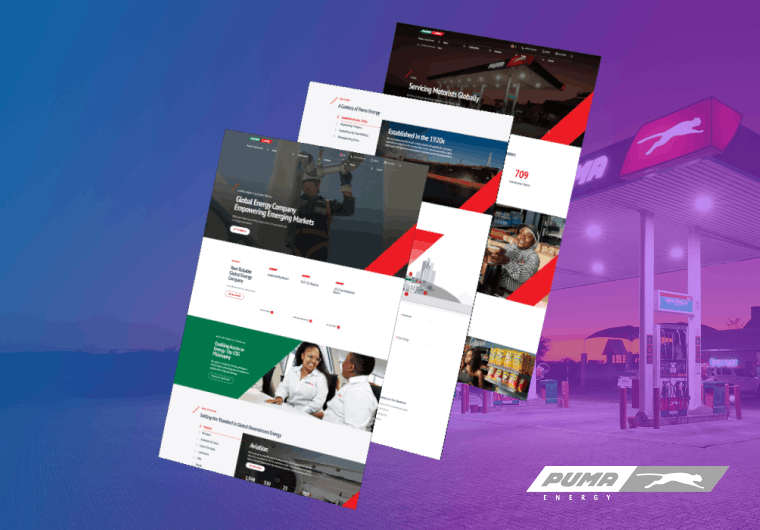
Puma Energy’s Conversion-Focused Design
Puma Energy’s old site no longer aligned with the brand’s image, had poor mobile optimization and lacked tailored user journeys.
We completely redesigned the site with carefully chosen typography, vibrant colors and custom visuals. We also created custom user journeys for B2B and B2C clients.
Our experts ensured the website had a responsive layout, while also conducting keyword research and targeted optimization.
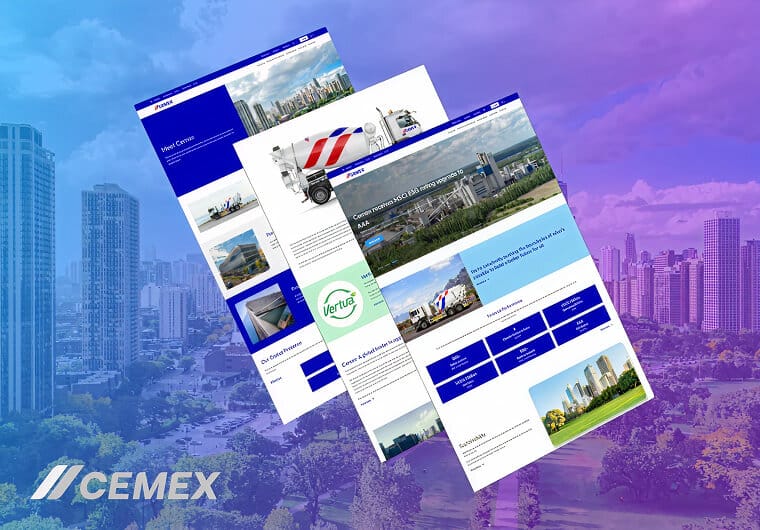
Enterprise-Level Web Design For Cemex
Our team created a new energy web design for Cemex that would match the company’s scale, innovation and industry leadership.
We focused on structuring the company’s complex product and service offers, since it operates in more than 50 countries and provides various urbanization solutions.
Our experts improved the navigation, created scalable content architecture and implemented an intuitive digital customer journey. This way, visitors can explore the products and submit inquiries more easily.
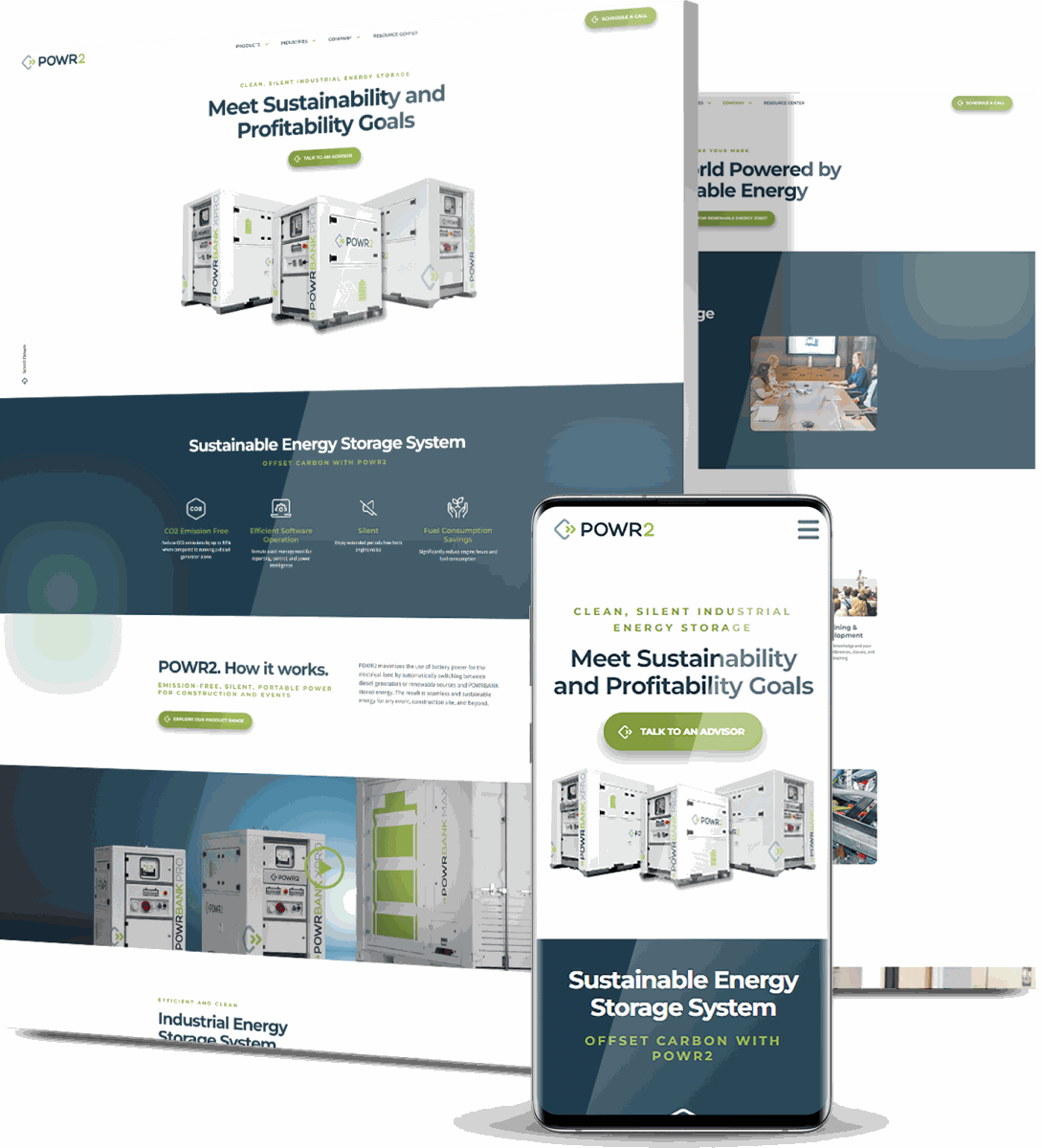
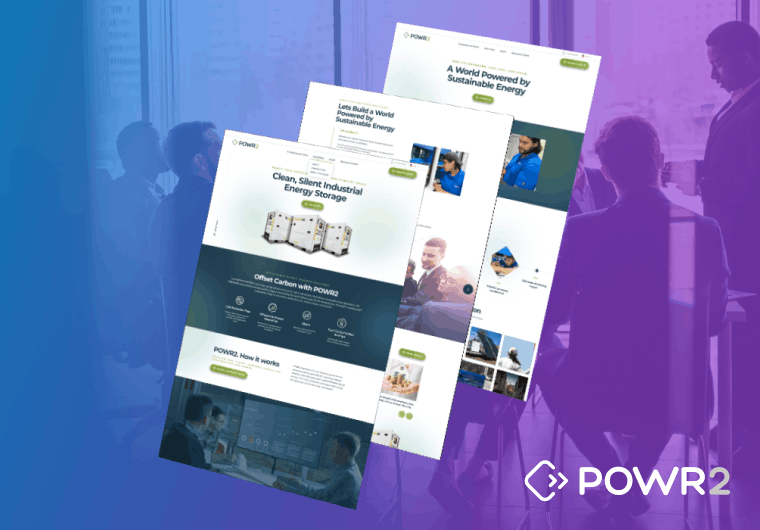
POWR2’s Interactive Website Redesign
Our team reworked POWR2’s website to better highlight its portable power solutions and simplify the lead generation process.
We added interactive elements to encourage users to engage with the site and improved the navigation to enable quick access.
Our designers also created custom visuals and concise product copy to position the company as a leader in the energy industry.

The Digital Silk team wowed us from start to finish when building our website to launch in conjunction with our rebrand project. Their sales team initially dug into our competition and our business model, then came to the table with solid recommendations based on their research. This helped us to create a website that truly looks and feels different than our competition and helps us establish a unique presence in the market.

A Trusted Energy
Web Design Partner


Energy Website Design Services

We know that every energy company has its signature offers and solutions, so we try to tailor the user experience to match.
Our team can create the structure of your site from the ground up. We can clearly showcase your services, technologies and capabilities to your customers.
Explore our Custom Web Design services.

To do this, we review what site elements are worth keeping and which ones are outdated. Our experts can add signature animations, improve the navigation or rework the visuals as needed.
Explore our Website Redesign services.
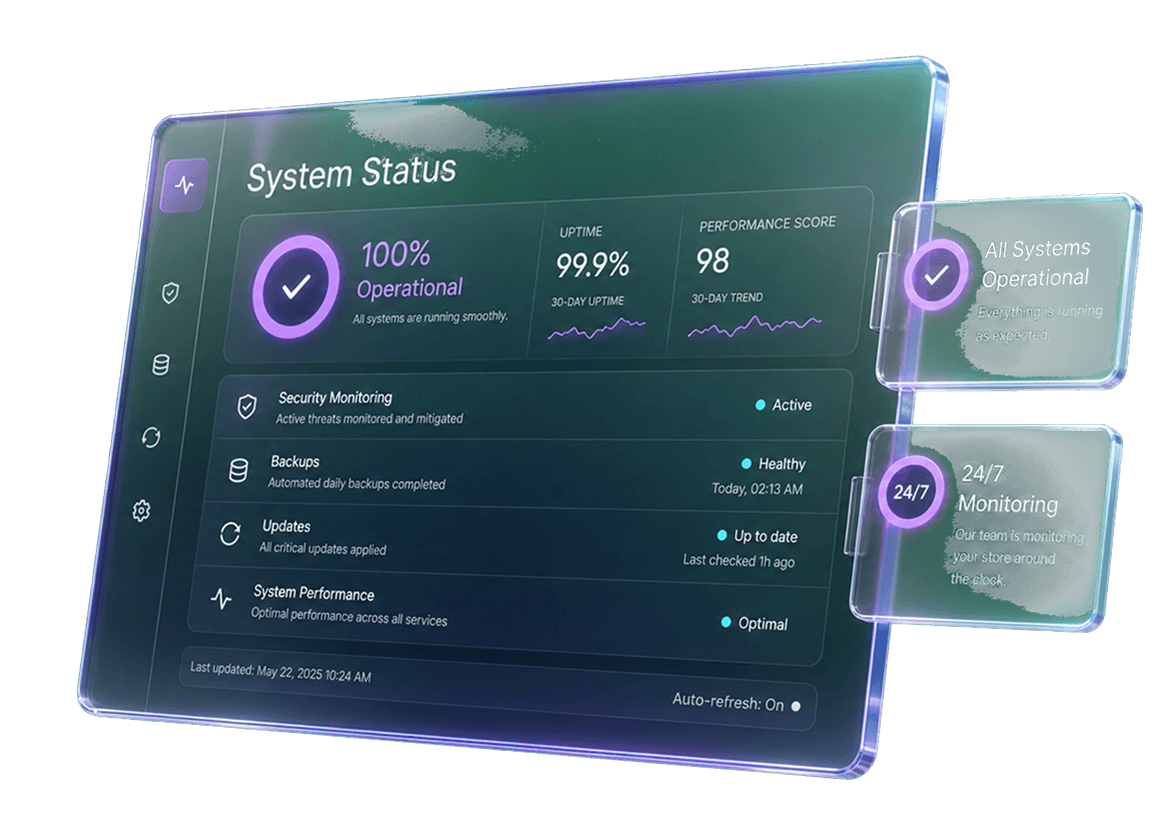

We also handle integrations with marketing automation tools, customer relationship management (CRM), third-party plugins and other custom features you may need.
Explore our Custom Web Development services.
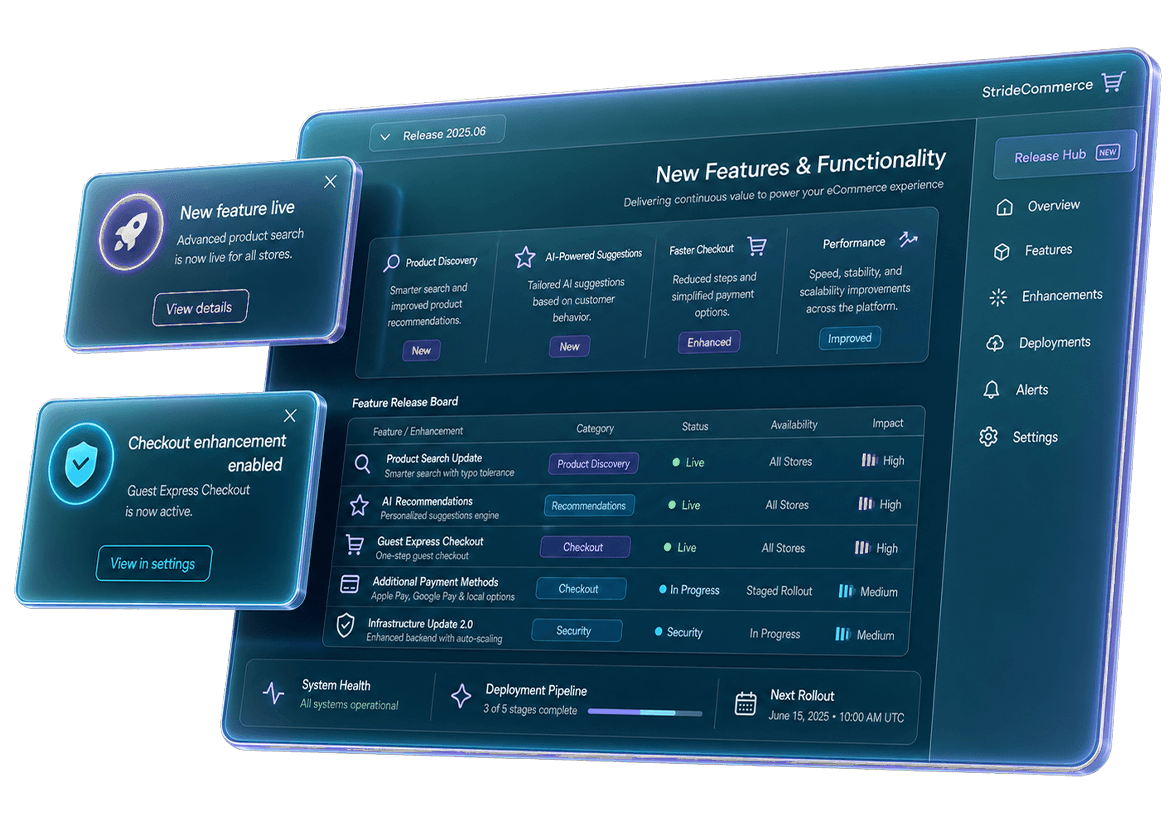

We can support your website launch with dedicated marketing and performance optimization services.
Our team can review search performance, landing page structure, internal and external linking opportunities and other sector-specific improvements.
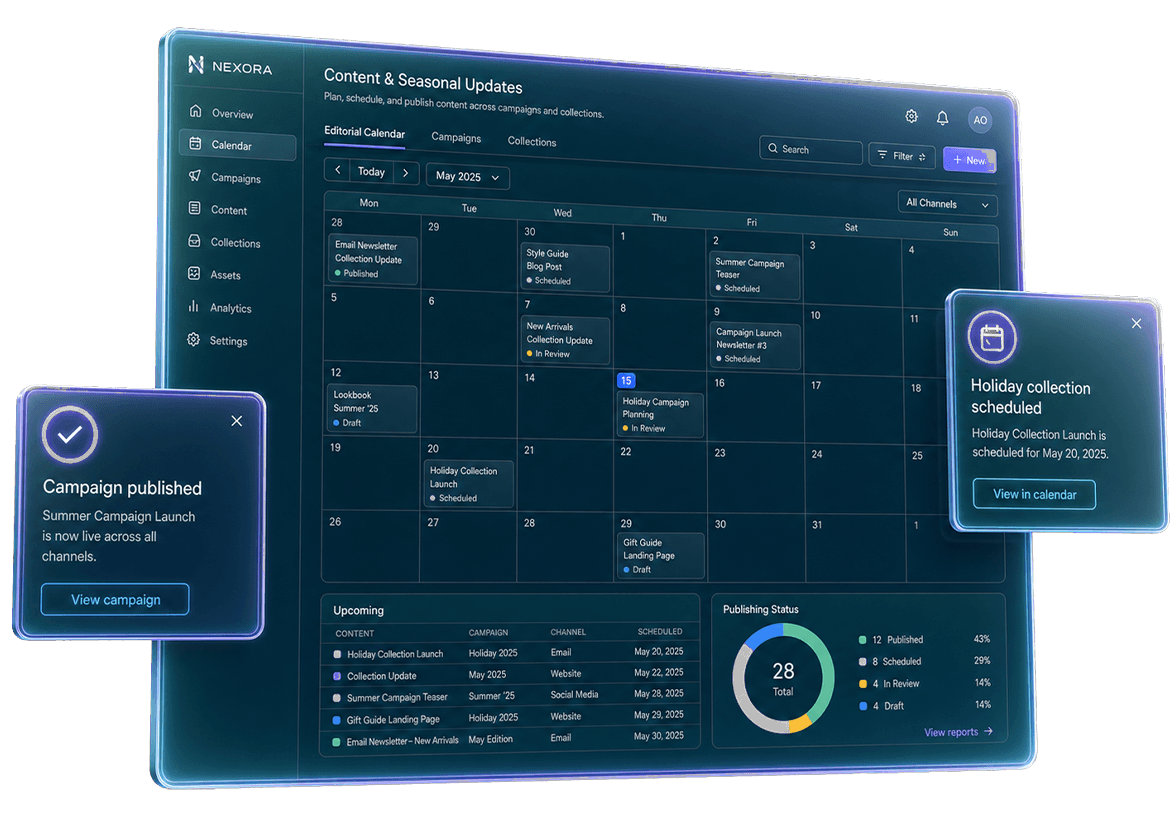

We can support your website launch with our marketing and performance optimization services.
Our team can review search performance, landing page structure, internal and external linking opportunities and other sector-specific improvements.
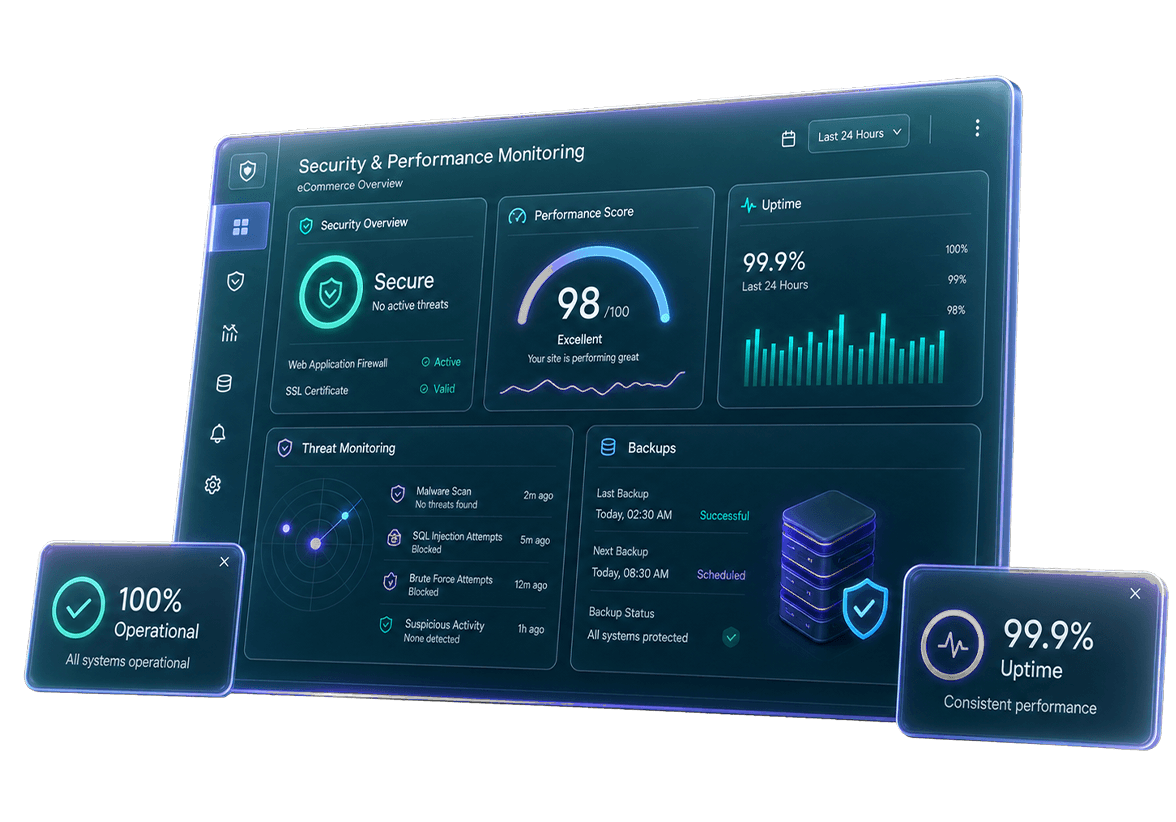
Reliable Energy Web Design Services
We create utility, storage, infrastructure and renewable energy website design
solutions tailored to the needs of technical, high-value industries.












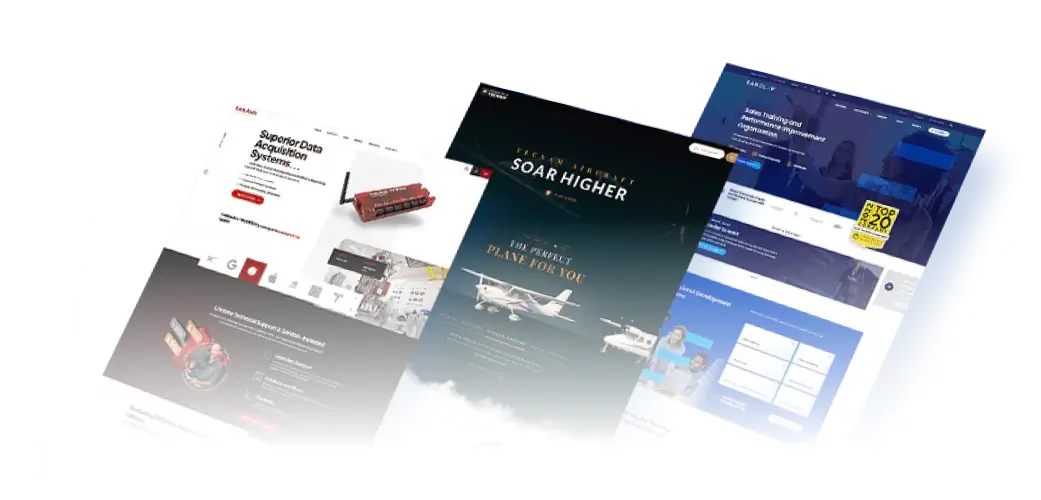
Full-Service Web Design Agency for Energy Providers
As a leading agency in energy website design, we manage your entire project under one roof to ensure consistent execution and long-term brand credibility.
-
01Custom Branding Strategies
Don’t miss out on valuable clients by underselling your unique value proposition (UVP).
We can position your brand in a way that shows the actual advantage that potential customers get by working with you.
Your customers should understand what you do, why you do it and why your brand in particular is a lower-risk option than your competitors.
Explore our Branding services.
-
02Website Planning & Optimization
Your buyers have very different goals when they come to your site. Commercial properties could be looking at cost reductions or project payback, while municipal buyers may be analyzing compliance or relevant experience.
Your site should cater to each group properly and lead them to the relevant solutions.
We take the time to carefully strategize, plan and outline the structure of your energy web design to make sure your audience finds the right services quickly.
-
03Custom Web Development
Aside from completing your energy web design, we can also develop all of the features and functionalities your business needs.
This could be adding extra features like project databases, partner portals, interactive maps and equipment or technology pages.
We also prioritize good website performance, security and accessibility.
-
04Technical Content Creation
When you’re creating content for the energy industry, you need to hit the sweet spot. Too technical alienates decision-makers, while overly generic content fails to demonstrate expertise.
Our team can help you explain the core substance of your services in a way that’s easier for buyers to understand, compare and trust.
-
05Digital Marketing
We can create a full-funnel digital marketing strategy for your energy web design. Our experts can optimize your audience targeting, social media activity and performance marketing initiatives.
Our experts connect your strategies to relevant landing pages, case studies or conversion journeys, so users can have a clear next step in their journeys.
Explore our Digital Marketing services.
-
06Support & Optimization
Even after everything is live, we’ll monitor your site’s performance and offer support where needed as time goes on.
Our team can run accessibility audits regularly, check for security patches or updates and add more features as your business grows.


Our Energy Website Design Process
With over 1,000 completed projects and hundreds of years of combined industry experience among our leadership team, we’ve established a step-by-step process:

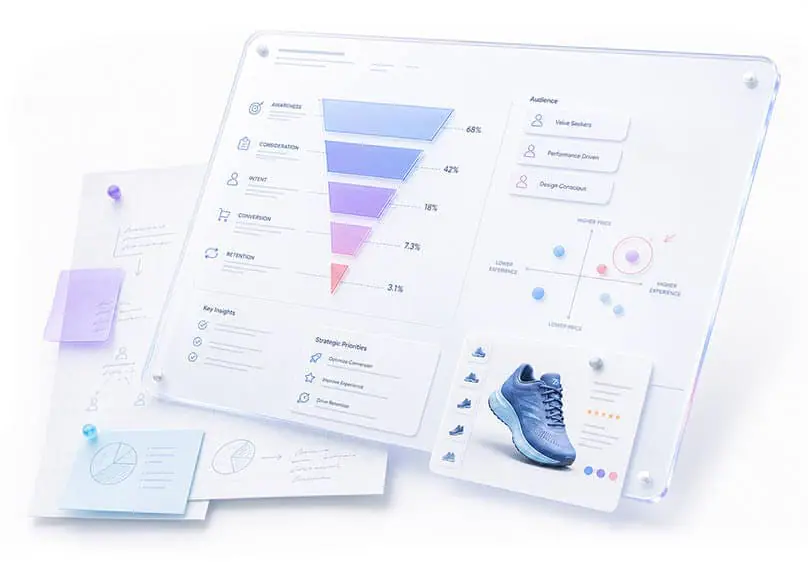
This is where we set the direction for your energy web design. To create something that would be valuable to you in the future, we need to understand the ins and outs of your business first.
We analyze your current site, offers, sales process, target audience and industry trends. We do this to determine how potential customers evaluate companies in your sector, so you can outperform them.

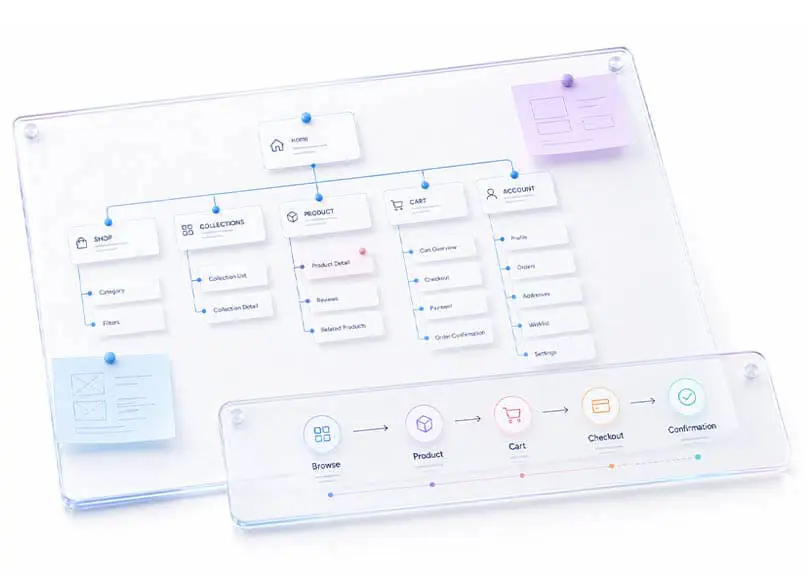
Next, we use the information we’ve gathered to map out the core structure of your new site. Our experts figure out a way to best present your offers and services.
We decide how to separate your technologies, audience segments, capabilities and project types. We plan the sitemap, content hierarchy, internal linking opportunities and other major elements.

Many businesses make the mistake of being too vague or getting too technical too early for buyers who are still evaluating their options. We can help you avoid that.
Our experts focus on the exact user issues and pain points that matter to them at a given time and organize the information in a way that naturally guides them toward conversion.
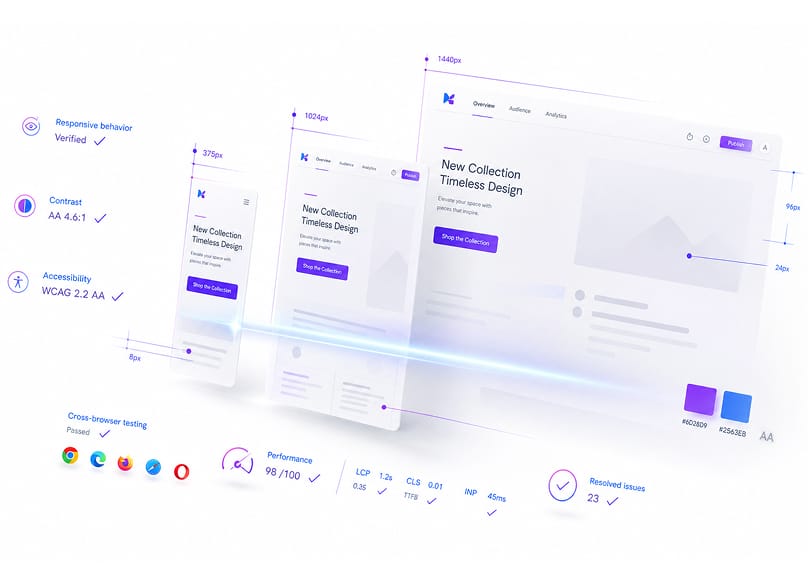
At this point, our team prepares the wireframes for your most important pages. You get to see the solutions we’re proposing and give us your feedback so we can adjust if necessary.
This is also where we try to resolve any issues regarding the layout, content density and page length. Once we figure that out, we work on the designs for both mobile and desktop.
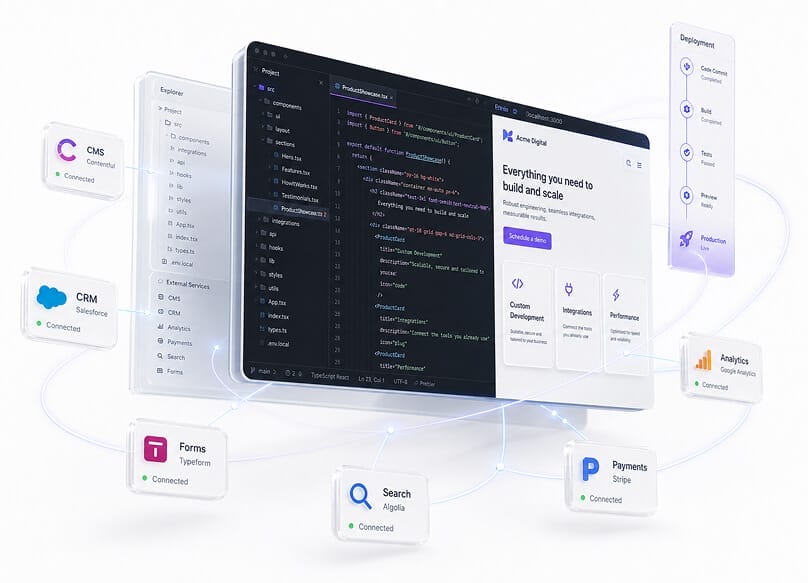
Next, we develop the features, systems and integrations your business relies on for its daily operations. We focus on fast load times, reliable code and responsive interfaces that feel consistent across every screen size.
Our team can also add custom CMS components, resource libraries, gated content, inquiry forms, interactive maps and other third-party tools.

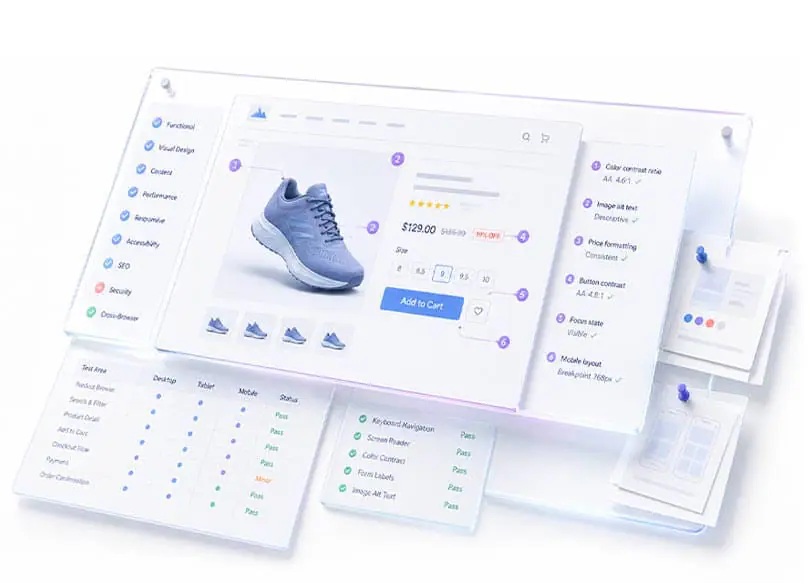
Before anything goes live, we check how your site would perform on different browsers and devices. We test for issues regarding page speed, button and form responsiveness, security and accessibility.
We’re very thorough during the testing phase because we try to identify potential issues before they become a problem on the live site.
Finally, we have a special protocol in place for launching your energy web design. Our experts keep a close eye on the performance and do detailed post-launch checks.
As time goes on, we can also update your site with the latest plugins, integrations and security patches to ensure everything is up to your standards.
Experience Energy Web Design With Our Experts
Our team knows how to showcase your capabilities, effectively guide users to conversion and optimize your site architecture to maximize search visibility.
We’ve received five-star reviews on platforms like Clutch and DesignRush, which speak volumes about our dedication and quality of service:
“The Digital Silk team was, from the outset, the clear winner of our selection process and they’ve been an absolute dream to work with throughout the entire process. Their project team was both patient when needed and prodding when warranted to keep the process on target. And the end product is a great website.” Brian Whitney, CRO at TRAY
Our experts use the same level of care and attention to detail for all our clients.
We treat each one like it’s our own, making sure each detail is up to the latest standards and best practices.
We have a proactive and collaborative approach, so you’re involved in every step of the process.
This way, we know exactly how to help your business grow and we do everything we can to make it happen.



Meet Our Energy
Web Design Experts
Recognized Energy
Web Design Experts













-
Brand Strategy
-
Custom Web Design
-
Marketing Strategy
-
Creative Copywriting
-
Communication Strategy
-
eCommerce Development
-
Social Media Marketing
-
Content Marketing
-
Logo & Graphic Design
-
Mobile App Development
-
Search Engine Optimization
-
Influencer Marketing
-
UI & UX Design
-
Software & AI Development
-
Paid Media Marketing
-
Affiliate Marketing
-
Package Design
-
ERP Portal Integration
-
Email Marketing
-
B2B Direct Marketing
Energy Web Design FAQs
Can you redesign my current website without hurting performance?
Yes, we can redesign your existing site to better reflect your offers, services and infrastructure solutions.
Our experts evaluate what you currently have on your site and suggest ways to update the interface, including the navigation, layouts and visual elements. We check what already brings in search traffic and make sure it carries over into the new site.
How long does an energy web design project take?
A standard website project usually takes 8 to 16 weeks. This usually depends on the number of pages, additional features or technical content that you need.
For a smaller site, 10 weeks is a reasonable benchmark. Once custom tools, integrations or more complex functionalities are added, the schedule can stretch to 24 weeks or more.
What elements should my energy web design include?
At a minimum, we recommend having landing pages for all your services, searchable case studies, regulatory compliance information and company info or leadership details.
You should also have interactive tools like location maps, energy calculators, customer portals and gated resources to better engage your audience.
Do you take care of security and compliance requirements?
Yes, we can clearly showcase legal disclaimers, industry-specific documentation, standard review processes and data protection transparency.
Our experts also use secure servers for hosting, do regular performance checks and updates, as well as set up your firewall and SSL encryption for peace of mind.
How can an energy website explain complex technical solutions?
An energy website can break down complex solutions into clear service descriptions, visuals, technical resources and use cases. This helps decision-makers understand the value without being overwhelmed by technical details.
How can an energy website generate more qualified leads?
A website can guide visitors toward relevant services, case studies, resources and inquiry forms based on their needs. Clear calls to action and focused landing pages can make it easier for qualified prospects to take the next step.
How should an energy company organize its website navigation?
Navigation should make it easy for visitors to find relevant services, technologies, projects and resources. Grouping information by audience, solution or project type can help users reach the right content faster.
How can an energy website showcase infrastructure projects?
Project pages can highlight the scope, capabilities, technologies and outcomes of completed work. Searchable case studies, project databases and supporting visuals can help potential buyers evaluate relevant experience.
How can an energy website serve both B2B and B2C audiences?
The site can organize content and user journeys around the different needs of each audience. This allows commercial buyers, consumers and other visitors to quickly find the information relevant to them.
How should an energy website present regulatory and compliance information?
Important regulatory information should be easy to find and presented in a clear, organized format. Supporting documentation can also help visitors understand the company’s standards and requirements.
How can an energy website support different geographic markets?
A website can organize services, projects and resources by market or location when offerings vary across regions. A clear information architecture helps visitors find locally relevant information without making the overall site difficult to navigate.
What role do case studies play on an energy website?
Case studies demonstrate how an energy company has applied its expertise to real projects. They can give prospective buyers more context about capabilities, technologies and relevant experience.
How can an energy website make technical content easier to compare?
Clear page structures, consistent terminology, comparison-focused content and well-organized specifications can make complex offerings easier to evaluate. The goal is to give buyers the information they need without forcing them to search across multiple pages.
How can SEO help energy companies reach potential buyers?
SEO can help an energy website appear for searches related to its services, technologies and areas of expertise. A well-structured site with relevant content can also make it easier for search engines to understand the company’s offerings.
How should an energy website support visitors at different stages of the buying journey?
The site should provide different types of information as visitors move from initial research to evaluation and inquiry. Educational content can support early research, while case studies, technical resources and clear calls to action can help visitors further along in the decision process.
Digitizing Your Business Growth
Start a conversation with us
"*" indicates required fields