

Babies R Us logo
Enchant Christmas's logo
G2 eSports logo
Grenco Science's logo
Miami Country Day School logo
HP logo
NYU logo
P&G logo
Sony logo
Xerox's logo

The Website Is A
Margin Decision

  • 01
    What The OTA Actually Costs You 
    Online travel agency commissions typically run 15 to 30 percent, and higher on some platforms. A decade ago the average sat closer to 10. On a $200 room night at 20 percent, that’s $40 gone before you’ve paid for housekeeping.

    The commission isn’t the whole cost either. OTA bookings cancel at roughly 21.8 percent against about 10.6 percent for direct — so the channel that costs more also delivers a less reliable booking.

    And the OTA keeps the guest relationship: the email address, the stay history, the ability to bring that guest back next year without paying commission again. 

    None of this means abandoning the OTAs. They’re a genuine discovery channel, and the billboard effect is real — travelers find a property there and then look it up directly. The strategy is to be findable on those platforms and to win the guest at the moment they arrive on your own site. 

    That moment is a web design problem. It’s the one the average hospitality site handles worst. 
  • 02
    Bookings Die At The Handoff 
    Almost no independent property runs its own booking engine. You’re on SynXis, Cloudbeds, Mews, SiteMinder or something similar — which means at the highest-intent moment in the entire journey, the guest is handed from a site you control to a system you mostly don’t.

    Often on a different subdomain, often in an iframe, often with different typography, different colors and a different interaction model. 

    That handoff is where direct bookings leak, and it’s rarely anyone’s responsibility. The web designer’s scope ended at the button; the booking engine vendor’s scope started after the click. 

    Treat the booking engine as part of the site: keep the visual experience consistent, surface rates and availability before the handoff, test the actual engine on mobile, and give guests options when their dates are unavailable.

    We scope the booking engine integration as a design deliverable, not a development afterthought. On most properties it’s the highest-leverage work on the site. 
  • 03
    Rate Parity Means You Compete On Everything Except Price 
    Most properties operate under rate parity arrangements that constrain advertising a lower public rate than the OTAs show. So the book-direct argument can’t usually be “cheaper here.” 

    What it can be: value the OTA cannot package. Room upgrades subject to availability, late checkout, resort or dining credit, parking, welcome amenities, best-available-rate guarantees, member rates behind a free signup.

    Each is a message, and each needs a place in the interface at the moment the guest is comparing. 

    That’s a messaging architecture problem more than a copywriting one. The book-direct value proposition has to appear where the decision happens — on the rate comparison, in the booking widget, at the point of hesitation — not on a “Why Book Direct” page nobody visits. 
  • 04
    Hotels Have a Web Accessibility Rule The Rest Of The World Doesn’t 
    Places of lodging carry a specific obligation under the ADA regulations that applies directly to the reservation system, including the website. 

    Under 28 CFR §36.302(e), a place of lodging must identify and describe accessible features in its hotels and guest rooms in enough detail to reasonably permit a person with a disability to assess independently whether the property or room meets their needs.

    It must hold accessible guest rooms for guests with disabilities until all other rooms of that type are taken. And it must guarantee that the specific accessible room reserved is held for that guest. 

    Read that first requirement as a web design brief and it’s demanding.

    “Accessible room available” doesn’t satisfy it. Independent assessment means real detail — door widths, roll-in shower versus tub with grab bars, bed height, visual alarm systems, the route from parking to the room — presented as structured content the guest can evaluate without calling. 

    Most hotel websites fail this, and it’s a well-established basis for claims. It’s also, handled properly, a genuine differentiator: a property that describes its accessible rooms honestly and in detail earns bookings from a large, underserved and highly loyal segment that has learned to expect vagueness. 

    This is a content model and a booking-flow requirement, and both belong in the site architecture from the start. 
  • 05
    The Product Is A Feeling, And The Feeling Is Heavy 
    Hospitality is the category where the imagery genuinely is the product. Nobody books a resort off a specification table.

    So these sites are image-led by necessity — and every megabyte costs conversions, particularly on the mobile connections where a lot of leisure browsing happens. 

    Use responsive sizing, crop images instead of scaling them, load video on interaction and prioritize what appears in the first viewport. 

    The properties that get this right feel expensive and load fast. Both, not one. 

Our Hospitality Web Design Work

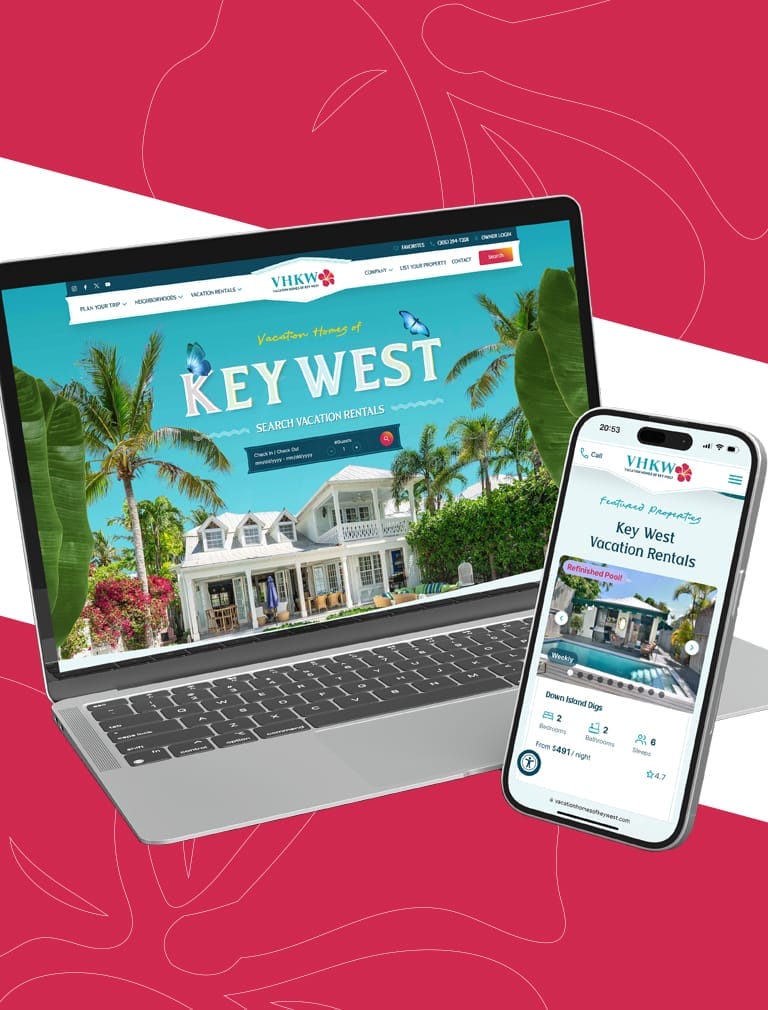
Vacation Homes of Key West — A CRO-led redesign that lifted engagement 1,602%

We streamlined the mobile booking journey, improved property information and introduced familiar UX patterns to reduce friction and build trust.

Following the CRO implementation, average engagement time increased by 1,602%, engagement rate rose 17.47%, and engaged sessions increased 5.18% within two months.

Vacation Homes of Key West website design on desktop and mobile devices

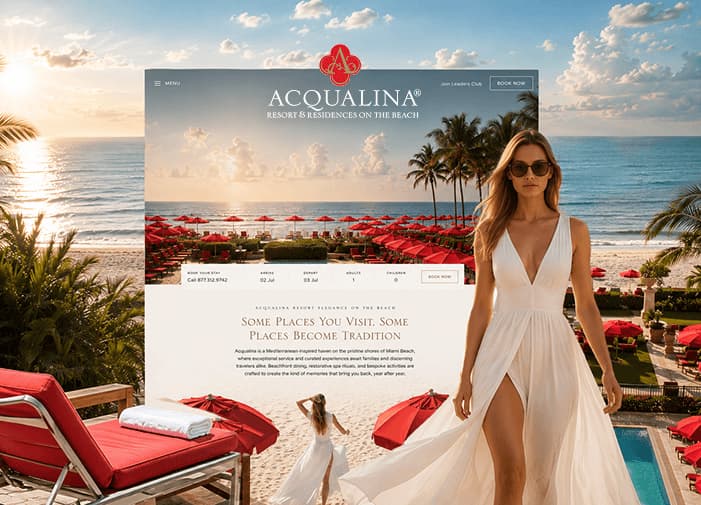
Acqualina Resort & Residences — A custom website for a five-star luxury resort

We created a custom, conversion-focused website that unified accommodations, dining, spa and events into a single, on-brand booking experience.

The new site simplified navigation, introduced booking engine integration and gave the resort a scalable CMS its team could manage independently.

Acqualina-portfolio-image optimized

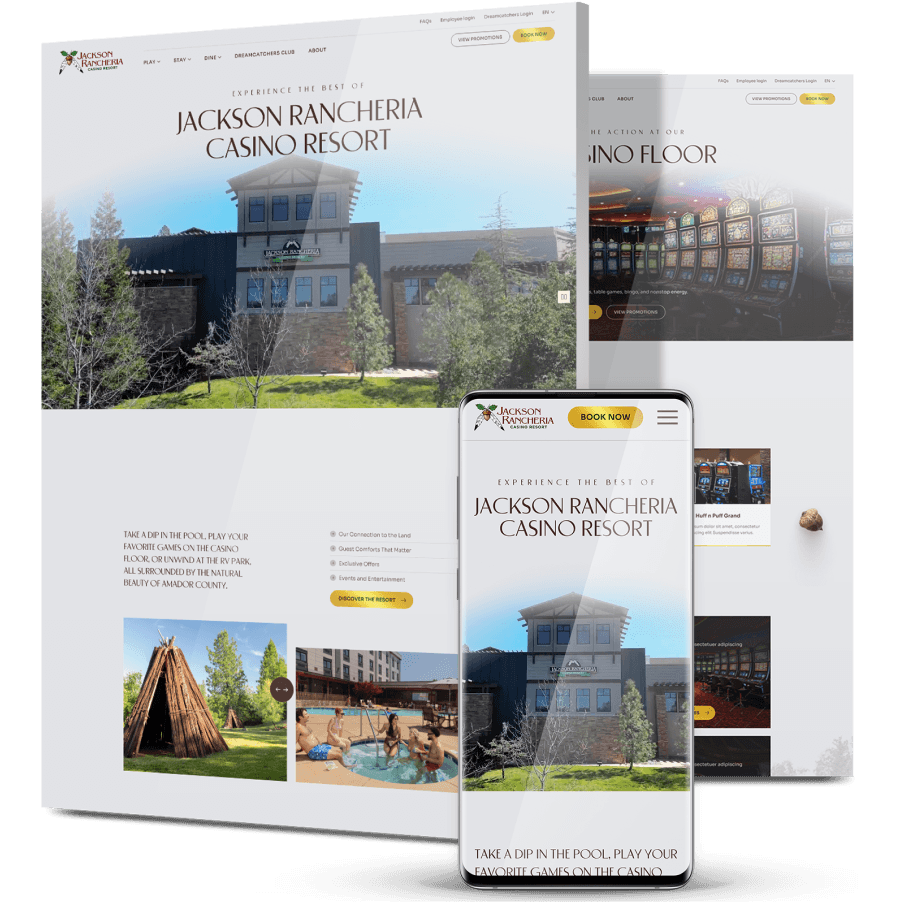
Jackson Rancheria Casino Resort — A website redesign to support engagement. 

We restructured the site around key guest journeys including Play, Stay, Dine and Promotions, while improving mobile usability and making it easier for the internal team to keep content current.

Within the first 30 days after launch, the site recorded 32,000 active users, 91,000 page views, 12,000+ click interactions and a 63.7% increase in key events.

Image showing Jackson Rancheria's website on desktop and mobile

I would absolutely work with Digital Silk again on future projects and would recommend them to anyone looking for a team that knows what they are doing but is also made up of really good people.

leora conway
Leora Conway
VP of Development

Where Hospitality Sites Lose Bookings

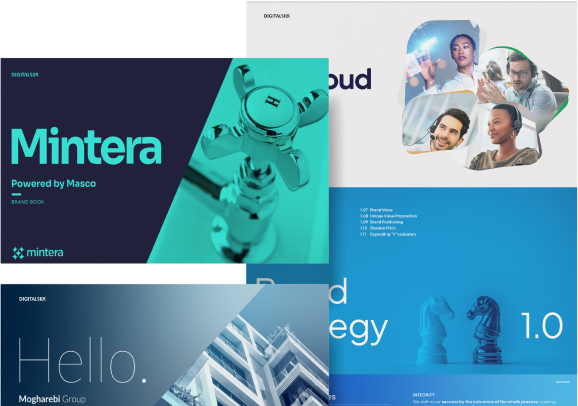
A collage of brand books and promotional materials

THE HANDOFF

The booking engine sits on someone else’s subdomain with someone else’s design. It’s the highest-intent moment on the site and usually the least designed.

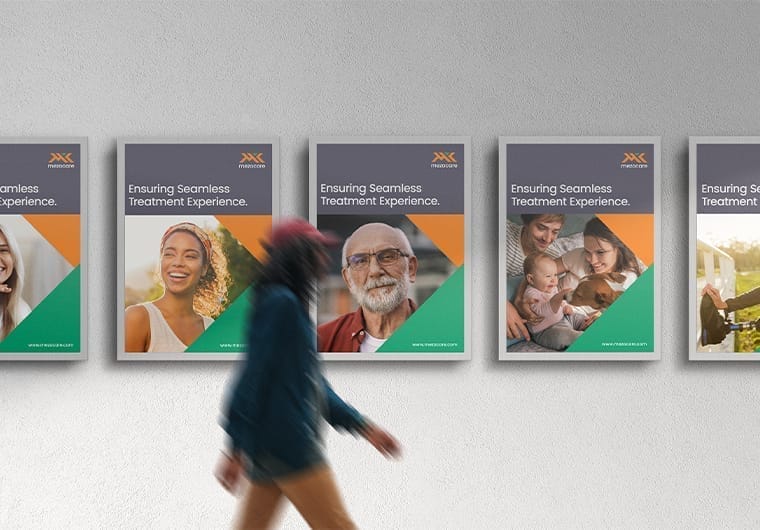
Healthcare branding campaign posters displayed on a wall with a person walking past the display

THE DEAD END

“No availability for those dates” with nowhere to go sends the guest straight back to the OTA. Alternative dates, nearby properties and a waitlist keep them.

THE WEIGHT 

The imagery is the product, and it’s also what makes the page slow. Resolving that is technique, not compromise.
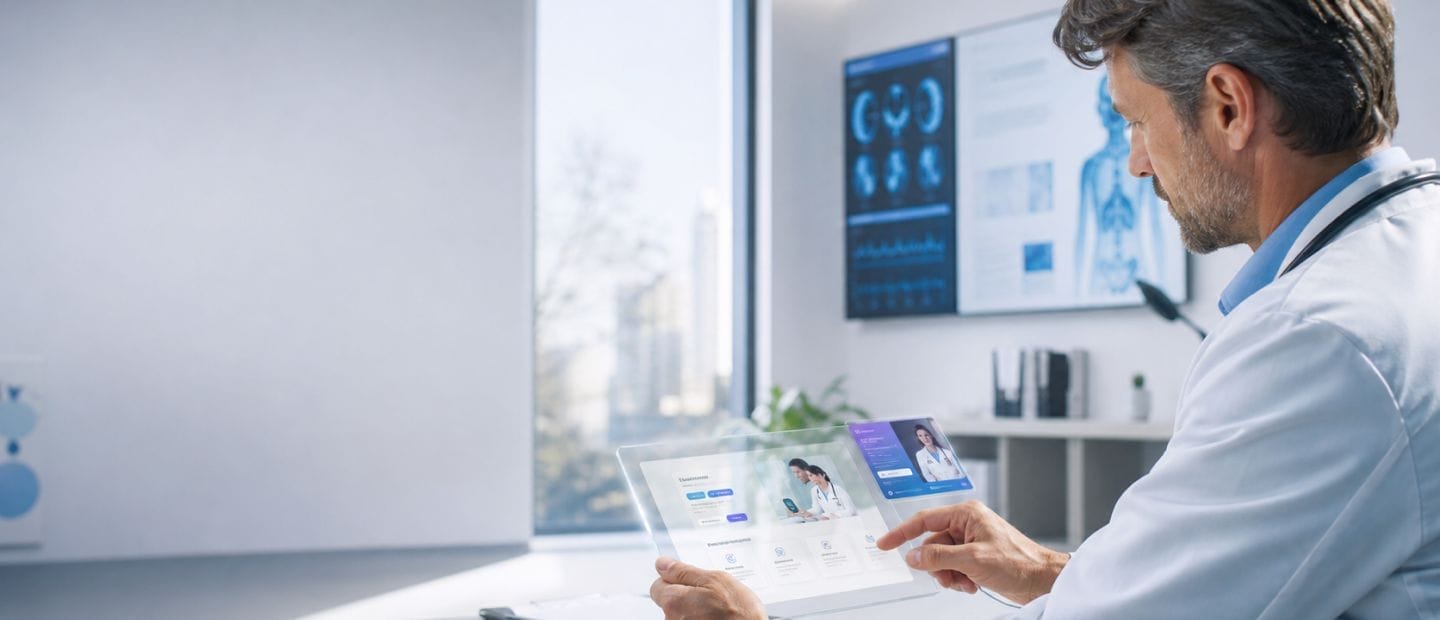
A healthcare professional speaks with a smiling older woman seated on a couch in a bright home setting

THE VAGUE ACCESSIBLE ROOM

“Accessible rooms available” doesn’t meet the standard, and it doesn’t earn the booking. Real detail does both.
WHY DIGITAL SILK?

Our Hospitality Web Design Services

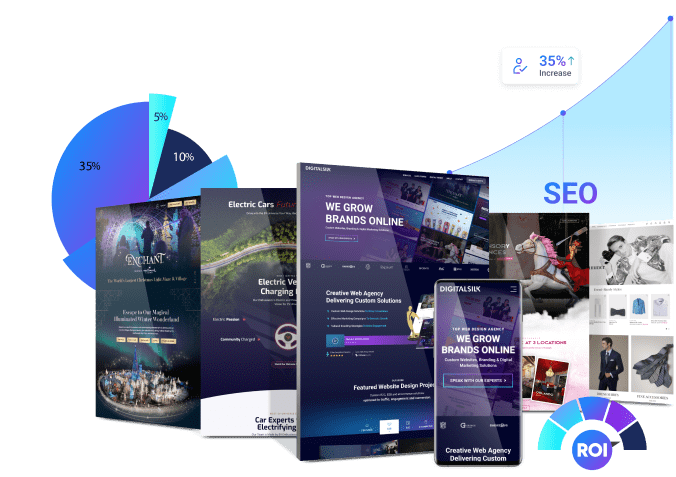
Digital Silk's digital marketing and web design agency services

Direct Booking Experience Design 

The full journey from arrival to confirmation, with the booking engine integration scoped as a design deliverable rather than a development handoff. 

Booking Engine Integration And Continuity 

Visual and interaction continuity across the handoff to SynXis, Cloudbeds, Mews, SiteMinder or your existing platform — with availability surfaced before the jump.

Accessible Room Content And Reservation Compliance 

Accessible features described in the detail §36.302(e) requires, structured so guests can assess independently and reserve the specific room.

Colorful icon of a presentation board

Performance-led Visual Design

Image and video-heavy design that still loads fast, using modern formats, real art direction and interaction-triggered media.

Multi-property And Portfolio Architecture

Brand-level and property-level sites that share a system without flattening the individual properties — plus the internal platforms that run them.

Rate, Package And Offer Merchandising

Book-direct value surfaced where the comparison actually happens, structured so revenue teams can update it without a developer.

Why Hospitality Brands Work With Digital Silk

  • 01
    BOOKING-LED DESIGN
    We design against direct booking share and completion rate, not impressions. 
  • 02
    LUXURY AND SCALE 
    Five-star resorts, casino resorts, vacation rental portfolios and hotel groups, including the internal systems behind them.
  • 03
    PROJECT OWNERSHIP 
    One team from strategy to post-launch. The booking engine integration doesn’t fall between vendors, because there’s only one.
  • 04
    MEASURED RESULTS 
    Vacation Homes of Key West saw engagement rise 1,602% after a CRO-led redesign of the booking journey.

Our Hospitality Web Design Process

Take a look at our hospitality web design process.
  • 01
    Strategy & Discovery
    We start by understanding your property, target guests, revenue goals and direct-booking strategy.

    We review your direct vs. OTA channel mix and audit your booking engine to understand how reservations currently work and identify integration constraints before design begins.

    We also assess your current website, competitors and analytics to identify where the digital experience is helping or hurting direct bookings.
  • 02
    UX & Creative Design
    We structure the experience around how guests actually choose a property, from discovering rooms and amenities to comparing options, exploring the destination and making a reservation.

    We review your accessible-room content model against §36.302(e) to ensure accessibility information is clearly communicated.

    From there, we develop the visual direction, page hierarchy and interactions around your property’s positioning, with a design that feels consistent with the experience guests can expect on-site.
  • 03
    Website Development
    We bring the approved experience to life and connect the website to the systems your property already relies on.

    This can include booking engines, property management systems, room availability, rates, dining reservations, event calendars and third-party hospitality platforms.

    We build the site so your team can manage content and promotions without having to rely on developers for every update.
  • 04
    Quality Assurance (QA)
    We test the website from a guest’s perspective, including the moments that directly affect revenue.

    We verify room and rate information, booking engine connections, reservation flows, forms, navigation and mobile interactions across browsers and devices.

    We also check that integrations are passing the right information between systems and that nothing gets in the way of a guest completing a booking.
  • 05
    Launch & Optimization
    Once the site launches, we monitor the experience closely and look for opportunities to improve its performance.

    We can analyze direct-booking behavior, room and package engagement, booking-engine exits and high-intent pages to understand where guests are converting and where they’re dropping off.

    From there, we use those insights to refine the experience, improve the path to booking and support the property’s broader digital and revenue goals.

Hospitality Web Design FAQs

How much can a better website actually shift our direct bookings? 

It depends on where you start, but the maths is simple: OTA commissions run 15–30%+, so every booking moved to the direct channel is close to pure margin. Direct bookings also cancel far less — around 10.6% against roughly 21.8% for OTA — so the gain is bigger than the commission saving alone. We start by measuring your current channel mix and completion rate, because that’s what any target has to be built on. 

We can’t advertise a lower rate than the OTAs. What’s the direct booking argument? 

Value the OTA can’t package: upgrades subject to availability, late checkout, resort or dining credit, parking, welcome amenities, member rates behind a free signup. The design question is placement — that value has to appear at the point of comparison, not on a separate page.

Do you work with our existing booking engine? 

Yes. We work with SynXis, Cloudbeds, Mews, SiteMinder and others, and we treat the handoff as part of the design — visual continuity, availability shown before the jump, mobile tested on the real engine, and no dead ends when dates are unavailable. 

What does the ADA require our website to say about accessible rooms? 

Under 28 CFR §36.302(e), you must describe accessible features in enough detail for a guest to assess independently whether a room meets their needs, hold accessible rooms until all other rooms of that type are booked, and guarantee the specific accessible room reserved. In practice that means real detail rather than a checkbox — and it’s a booking advantage as much as a compliance requirement.

Our site needs to look luxurious. Won’t that make it slow? 

Not if it’s built for it. Modern image formats, art direction that crops rather than scales, video loaded on interaction, and honest decisions about the first viewport. The properties that get this right feel expensive and load fast — the trade-off is a symptom of technique, not a law of physics. 

We have multiple properties. One site or several? 

It depends on how much the properties share and how guests search for them. We’ve worked across portfolios and can model both — including the internal systems that keep a multi-property group consistent, as we built for Noble House.

How long does a hospitality website take?

Typically 12–20 weeks depending on property count, booking engine complexity and how much photography needs producing. Image production is the item most likely to move the date, so we scope it early. 

Speak With Our Hospitality Web Design Team

Tell us your current direct booking share and where guests drop out. We’ll come back with an honest read on whether the problem is the site, the booking engine handoff or the offer. 
Take The Smart Road To

Digitizing Your Business Growth

Follow Us

Start A Conversation With Us

"*" indicates required fields

This field is for validation purposes and should be left unchanged.