
11 Advanced SEO Techniques To Grow Your Traffic In 2026
Advanced SEO techniques to grow your traffic in 2026. Learn 11 useful strategies, which one to start with and how AI search changes SEO.


-
Most of your competitors already have the SEO basics covered. To outrank them, you need to fix how search engines crawl, connect and trust your whole site.
-
Start with keywords just outside the top 10. Google already sees these pages as relevant, so a few targeted updates can push them onto page one.
-
A top ranking brings in fewer clicks than it used to. AI Overviews are associated with a 34.5% drop in clicks, so aim to get cited in AI answers as well as rank.
Organic search brings in 53% of all website traffic, so more than half of the people who land on your site likely typed something into a search bar first.
When your rankings slip, you lose those visits along with the leads and sales they would have turned into.
Most of your competitors have the basics covered by now, which means clean title tags and a few target keywords won’t get you past them anymore.
This post covers 11 advanced SEO strategies you can use in 2026, how to pick the right one to start with and what AI search changes about the way you rank.
11 Advanced SEO Strategies To Boost Your Organic Visibility
Basic SEO gets your pages indexed and easy to read. Advanced SEO digs into why good pages still sit on page two and asks harder questions about how search engines crawl, connect and trust your whole site.
1. Build Topic Clusters Around Search Intent
A topic cluster is a group of pages that covers one subject from every angle a searcher might need, all linked to a central pillar page. Most sites build clusters straight from a keyword list.
You get better results when you group keywords by the job the searcher wants done. Someone typing “what is a heat pump” needs a different page than someone typing “heat pump vs furnace cost.”
When each intent gets its own page and those pages link to each other, Google can see that you cover the full topic.
How You Can Implement This
- Export your keyword list from Ahrefs or Semrush
- Tag each keyword as informational, comparison or ready to buy
- Put keywords on the same page when they share at least 4 of the same top 10 results (Keyword Insights can automate this)
- Assign every cluster one URL before anyone starts writing
- Link each supporting page to the pillar with descriptive anchor text and link the pillar back out
- Plan your site structure around your topic clusters so visitors can reach any page within three clicks of the homepage
We followed this exact order when we rebuilt the eCommerce site for Buddha Brands, a plant-based snack and beverage company stocked in major retailers across North America.

Before launch, the site drew about 8 organic visits a month and ranked for just 6 keywords in the top 100.
Our team started with keyword research and used it to decide which pages the site would have and how each one would compete in search. Within 12 to 18 months of launch, organic traffic grew about 86x and keywords ranking in the top 100 grew 124x.
2. Consolidate Pages That Compete For The Same Keywords
Keyword cannibalization happens when two or more of your pages target the same search and split the clicks, links and authority between them.
Google usually picks one, often the one you’d least want, and swaps between them from week to week. Merge those pages into one complete resource and you’ll usually rank higher with one URL than you did with two.
How You Can Implement This
- Filter by a query in Google Search Console and open the Pages tab to see every URL getting impressions for it
- Flag queries where two URLs trade positions over the last 3 months
- Pick the URL with the most backlinks and conversions as the keeper
- Move the best sections from the weaker page into the keeper, then 301 redirect it
- Point internal links straight to the keeper so they skip the redirect
- Save canonical tags for pages that both need to stay live, like product variants
The same logic applies across entire domains, which we saw firsthand when consolidating Gallery Systems’ three brand sites into one.
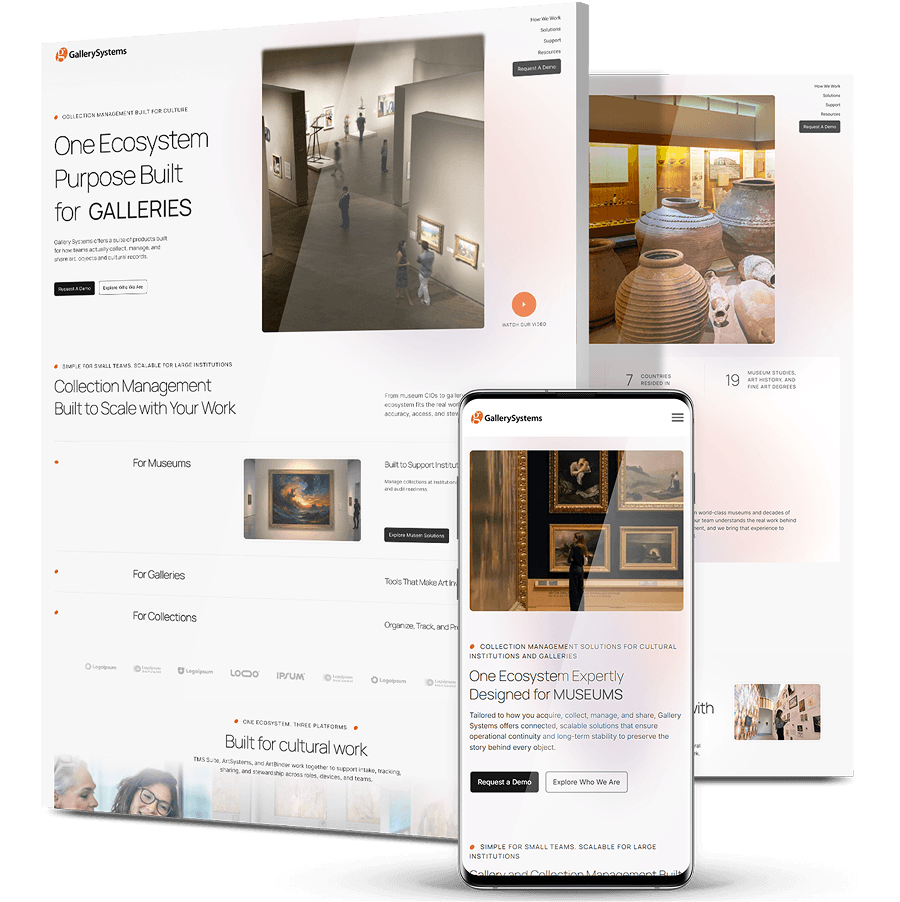
The collections software company, used by the Getty and MoMA, ran three brand lines on three disconnected sites, each with thin content and no shared SEO plan.
Organic keywords dropped 89% in a year, from 2,720 to 305, and Domain Rating fell from 62 to 45 in two months.
We ran SEO audits on all three properties, decided what would carry over and merged everything into a single domain. Now all of the company’s articles, case studies, guides and product pages count toward the authority of one site.
3. Reclaim Link Equity Lost To Broken Pages And Redirect Chains
Every time a URL changes without a redirect, you lose the value of the backlinks pointing to it.
After a few redesigns, those losses add up fast. Link reclamation means finding dead URLs and messy redirect chains, then sending them to the best live page. It’s one of the few advanced SEO strategies that can raise your authority without earning a single new link.
How You Can Implement This
- Run Ahrefs’ Best by Links report and filter it to 404 pages
- Redirect each broken URL to the closest matching live page, never your homepage by default
- Crawl your site with Screaming Frog to find chains of two or more redirects and cut them down to one hop
- Check old URLs in the Wayback Machine so you know what content they held before you pick a target
- Add a redirect map to your pre-launch checklist for any website redesign
Our team tackled this problem at scale during American University in Bulgaria’s website rebuild. The university’s 2014 site carried 65 broken pages, 1,321 broken backlinks and duplicate page titles across every course page.

Alongside a custom multilingual WordPress build, we rebuilt the SEO foundation and fixed the broken links and Core Web Vitals failures.
Since launch, AUBG’s Domain Rating is up 10.3%, top-3 keyword rankings are up 197% and estimated organic traffic value is up 79%.
4. Read Your Server Logs To See How Googlebot Crawls Your Site
Server logs record every visit Googlebot makes to your site, down to the exact URL and time.
Log file analysis tells you which pages Google visits most, which ones it ignores and where it wastes time on filters, parameters and old URLs.
On large catalogs and publishing sites, crawl budget becomes one of the biggest enterprise SEO challenges, and your logs are often the only place you’ll find the cause of stubborn indexing problems.
How You Can Implement This
- Ask your developer or host for 30 days of raw access logs
- Load them into Screaming Frog Log File Analyser or Semrush’s Log File Analyzer
- Verify Googlebot hits with a reverse DNS lookup so fake bots don’t skew your data
- Compare the URLs Google crawls with the URLs in your XML sitemap
- Block low-value parameter URLs in robots.txt once you confirm Google spends visits on them
- Link to any important page Google hasn’t visited in two weeks from one of your high-traffic pages
5. Add Information Gain With First-Hand Experience And Original Data
Information gain is the new value your page adds compared to what already ranks. If your article repeats the top five results in a different order, Google has little reason to put it above them.
Original data, tested advice and named expert input give searchers and AI tools something they can’t find anywhere else.
SEO teams are betting on this change, with 58.8% of professionals planning to invest in human-authored content with AI support over the next 12 months.
How You Can Implement This
- Read the top 5 ranking pages and list every point they have in common
- Add at least one thing none of them include, like a stat from your own data, a test result or a customer story
- Interview someone on your team and quote them by name
- Use AI for outlines and research, then have a subject expert write or rewrite the draft
- Add author bios with real credentials and a link to each author’s LinkedIn profile
- Publish a yearly survey or benchmark report that journalists can cite

6. Build Dedicated Pages For Your Highest-Value Commercial Keywords
A dedicated commercial page targets one service, audience or location with its own URL, copy and proof.
Many sites try to rank one general services page for dozens of buying-intent terms and end up ranking for none of them.
Of all the advanced SEO strategies on this list, this one ties most directly to revenue, because a small ranking gain on a money page brings in leads a blog post rarely will.
How You Can Implement This
- Sort your keywords by cost per click in Ahrefs, since advertisers pay more for terms that convert
- Give each core service its own page with a unique title tag, H1 and FAQ section
- Put proof near the top of the page, like reviews, case results and certifications
- Answer pricing and timeline questions on the page itself
- Link to each money page from related blog posts with descriptive anchors
That approach paid off for Spar & Bernstein’s SEO campaign. The NYC immigration and personal injury firm had deep legal expertise but limited visibility in search, and terms like “immigration lawyer” and “refugee lawyer” rank among the most competitive in its market.
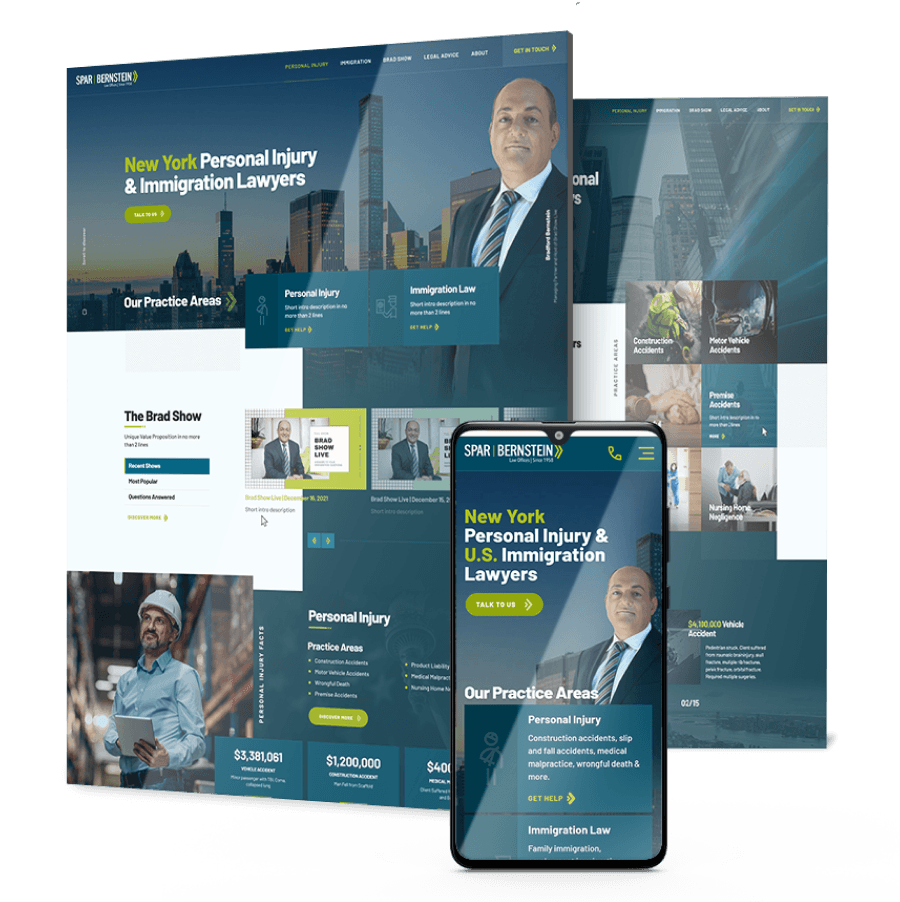
We ran in-depth keyword research, reworked the site’s content around those high-value terms and fixed technical SEO issues. Within six months, organic traffic grew 14x, domain ranking tripled and the firm secured 10 top search positions for key legal terms.
7. Use Nested Schema To Define Your Brand As An Entity
Search engines and AI tools understand the web through entities, meaning people, companies, products and the links between them.
Nested schema markup connects those entities in code, so Google knows your author works for your company and your company offers specific services in specific locations.
Most sites add one isolated schema block per page. When you tie those blocks together with @id references, you give search engines a connected picture of who you are.
How You Can Implement This
- Create one Organization schema with a fixed @id on your homepage
- Reference that @id from your Article, Service and Product schema on other pages
- Add sameAs links to your LinkedIn, Crunchbase, Wikipedia and Google Business Profile pages
- Add Person schema for authors with their credentials and social profiles
- Test every template with Google’s Rich Results Test and the Schema Markup Validator
- Use the same company name, address and description everywhere your brand appears online
- Add schema to your technical SEO checklist for every new page template
8. Earn Links With Data People Want To Cite
Advanced link building means you create assets people link to on their own, then put them in front of the writers who cover your industry.
Journalists and bloggers search for stats every day, and if your page answers those searches, you earn links without cold outreach.
You also don’t need to panic over link swaps you find in your profile.
73.6% of domains have reciprocal links, so some overlap with partners and peers is normal. The issue is when you trade links at scale with sites that have nothing to do with your industry.
How You Can Implement This
- Search “[your topic] statistics” and “[your topic] study” to see what journalists look for
- Build a stats page or original study that answers those searches better than the current results
- Pitch reporters through Qwoted, Featured or Help A B2B Writer
- Set up Google Alerts or Ahrefs Alerts for unlinked brand mentions and ask for the link
- Check competitors’ most-linked pages in Ahrefs to see which formats earn links in your niche
9. Mine Google Search Console For Striking-Distance Keywords
Striking-distance keywords are terms where you already rank in positions 8 to 20. Google has shown some trust in your page for these terms, so small changes can push you onto page one.
Organic traffic is the leading SEO metric, with 74.9% of professionals tracking it, yet impressions and click-through rate show you exactly where that traffic slips away.
How You Can Implement This
- Export 3 months of query data from Search Console and sort it by average position
- Shortlist queries in positions 8 to 20 with high impressions
- Find the page that ranks for each query and add a section that answers it directly
- Rewrite title tags on pages with high impressions and a click-through rate under 2%
- Add internal links to those pages from your highest-traffic posts
- Recheck positions after 4 to 6 weeks and track keyword rankings on a weekly schedule in between

10. Pass Core Web Vitals On Mobile, Starting With INP
Google ranks your site based on its mobile version, and Core Web Vitals measure how that version feels to real visitors. Interaction to Next Paint (INP) replaced First Input Delay in 2024 and measures how fast a page responds after someone taps or clicks.
Aim for an INP under 200 milliseconds, a Largest Contentful Paint under 2.5 seconds and a Cumulative Layout Shift under 0.1. INP tends to be the hardest of the three to fix, since slow responses usually trace back to heavy JavaScript.
How You Can Implement This
- Check the Core Web Vitals report in Search Console for failing URL groups
- Judge performance by the field data in PageSpeed Insights, since lab scores can mislead you
- Find long tasks in the Performance panel of Chrome DevTools
- Defer third-party scripts like chat widgets and heatmaps
- Set a width and height on images and embeds to stop layout shifts
- Serve images in WebP or AVIF and preload your hero image
We put mobile performance first during Harlem School of the Arts’ mobile-first redesign. The school had a respected name in arts education, but its outdated, non-responsive site made class registration hard on phones and weak SEO limited who could find it.
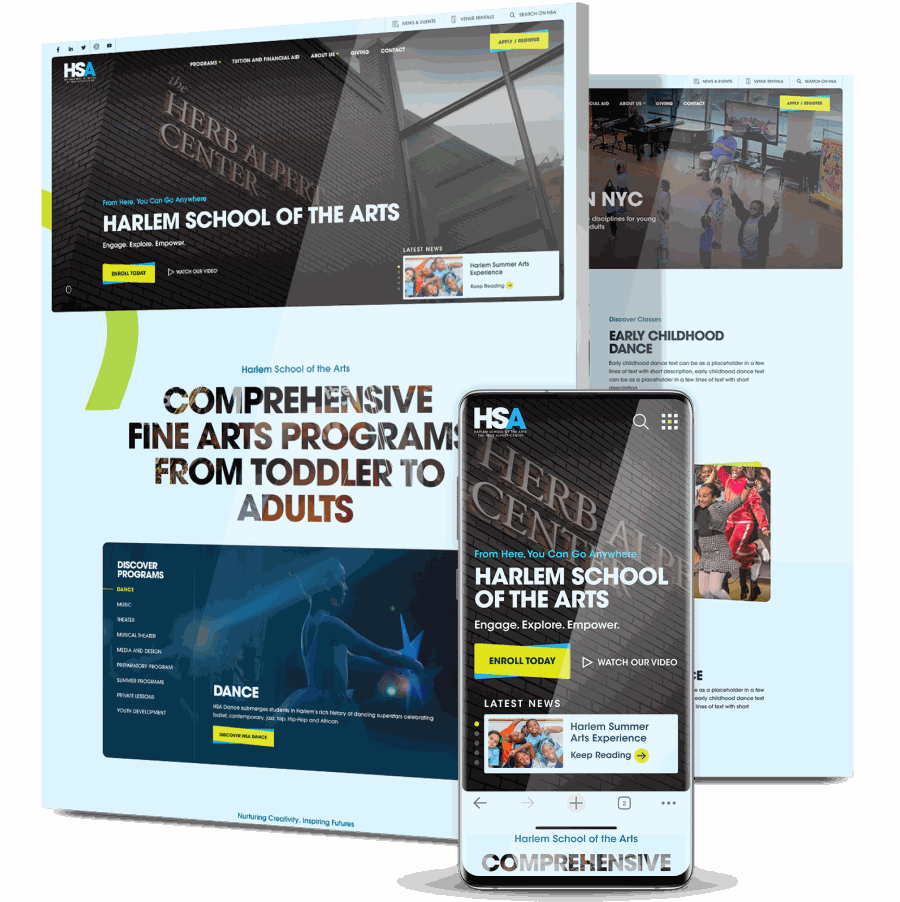
Our team delivered a mobile-first design with restructured navigation, technical SEO fixes and optimized metadata.
In the first 90 days after launch, organic traffic rose 43%, organic keywords grew 16% and the school earned more than 759 new backlinks.
11. Build Visibility Beyond Google’s Blue Links
Your buyers also search on YouTube, Reddit, LinkedIn, TikTok and AI assistants, and Google now pulls Reddit threads, videos and forum posts into results for many queries.
Spreading your presence across these channels is one of the smartest advanced SEO strategies for protecting yourself from ranking swings.
Algorithm volatility is the top SEO challenge worldwide, with 59.3% of professionals naming it, so you don’t want one core update to take away most of your traffic.
How You Can Implement This
- Search your top 20 keywords and note every Reddit thread, video and forum post in the results
- Answer relevant Reddit and Quora threads with helpful, non-promotional replies from a named account
- Turn your best-performing articles into short YouTube videos with keyword-rich titles and chapters
- Post expert takes on LinkedIn from your team’s personal profiles
- Track brand mentions in AI answers with tools like Semrush’s AI Visibility Toolkit or Profound

How To Decide Which Advanced SEO Strategy To Start With
You don’t need all 11 strategies at once, and trying them all in the same quarter usually means none of them get done well. Run these audit steps first so your data points you to the biggest win.
1. Benchmark Your Current Organic Performance
Pull 12 months of clicks, impressions and click-through rate from Google Search Console, then match them with organic conversions in GA4. Mark the pages that bring in leads or sales, since those deserve attention first.
Compare each month with the same month last year so you can tell a seasonal dip from a real decline.
2. Run A Full Technical Crawl
Crawl your site with Screaming Frog or Sitebulb and export status codes, redirect chains, duplicate titles and orphan pages.
Then open the Pages report in Search Console and look for URLs marked “Crawled, currently not indexed.” If Google can’t index your key pages, fix that before you touch content or links.
3. Compare Your Backlink Profile With Your Top Competitors
Plug your domain and your top three competitors into Ahrefs or Semrush and compare referring domains.
The Link Intersect tool in Ahrefs lists sites that link to your competitors but not to you, which gives you a ready-made outreach list. While you’re there, check for 404 pages with backlinks you can reclaim.
4. Look For Cannibalization And Content Decay
Use the compare feature in Search Console to find pages that have lost clicks for three months or more.
Next, check your top 50 queries for cases where more than one URL gets impressions. Decaying and competing pages are usually the fastest fixes on your list, since the content already exists.
5. Run A Content Gap Analysis
Open the Content Gap tool in Ahrefs or Keyword Gap in Semrush and find terms your competitors rank for that you don’t.
Group those terms by intent and note which ones tie to your services. A gap in commercial keywords usually matters more than a gap in blog topics.
6. Score Each Opportunity By Impact And Effort
Give every issue you found a score from 1 to 5 for business impact and another for effort. Start with anything that scores high on impact and low on effort, especially on pages that drive revenue.
Once you have your top three priorities, fold them into your broader SEO strategy and quarterly roadmap so each one gets an owner and a deadline.
Why Is Advanced SEO Important?
Search used to mean ten blue links. Today your buyers find answers in AI Overviews, chat assistants, videos and forum threads, often before they click on anything. Advanced SEO helps you get found across all of those places and keeps paying off long after the work is done.
- Compounding traffic: Organic rankings keep bringing in visitors after you stop paying for them, which lowers your cost per lead over time.
- Higher-intent visitors: People who find you through search are already looking for what you sell.
- Faster recovery from updates: You tend to bounce back sooner from core updates when your site is technically sound and your content shows real expertise.
- Visibility in AI answers: AI tools pull most of their sources from pages that search engines already crawl, index and trust.
- A lead competitors can’t copy overnight: Topical authority and earned links take months to build, which makes your head start hard to catch.
- More value from existing content: Consolidating and refreshing pages gets more out of work you’ve already paid for.
- Less reliance on paid ads: Once you rank for your commercial terms, you can cut ad spend on keywords you already own organically.
How Advanced SEO Is Changing With AI Search
The fundamentals still apply, yet AI search has changed what a good result looks like and how you measure it. Here’s what that means for your plan in 2026.
1. You Get Fewer Clicks From Top Rankings When An AI Overview Appears
AI Overviews are associated with a 34.5% reduction in clicks for pages that rank in search results.
That means a position-one ranking can bring in far fewer visits than it did two years ago. Check which of your target queries trigger an AI Overview, then push for a citation inside it on those terms and focus your traffic goals on queries that still show a regular results page.
2. Getting Cited In AI Answers Matters As Much As Ranking
AI tools tend to quote short, self-contained passages that answer a question right away. Put a direct one- or two-sentence answer under each heading, then add detail below it. Specific numbers, named sources and clean lists give AI tools something easy to lift and credit to you.
3. Unlinked Brand Mentions Now Affect Your Visibility
Large language models learn about your brand from what others say about you across reviews, forums, news sites and social platforms.
A mention with no link still helps shape how often and how favorably AI tools recommend you. Build a presence on the review sites, industry publications and communities your buyers already trust.
4. AI Crawlers Need To Be Able To Access And Read Your Pages
Check your robots.txt file to make sure you aren’t blocking crawlers like OAI-SearchBot, PerplexityBot or ClaudeBot by accident.
Many AI crawlers don’t run JavaScript, so any content that loads only through scripts may be invisible to them. Serve your key copy, prices and product details in the initial HTML.
5. Searches Are Getting Longer And More Conversational
People now type full questions and follow-ups into search bars and chat tools, often with details about their budget, location or situation.
If a page answers only one narrow keyword, you miss most of those prompts. Cover the follow-up questions a buyer would ask next and write your headings the way people phrase them out loud.
6. You Need To Track AI Visibility Alongside Rankings
You only see part of the picture when you track rankings alone. Set up a GA4 report for referral traffic from chatgpt.com, perplexity.ai and gemini.google.com.
Then use a tool like Semrush’s AI Visibility Toolkit, Profound or Peec AI to see how often your brand appears in AI answers for the prompts that matter to your business.
Create Your Advanced SEO Strategy With Digital Silk
Advanced SEO takes time, the right tools and a team that has solved these problems before.
We’ve helped Spar & Bernstein grow organic traffic 14x in six months, helped Buddha Brands grow organic traffic about 86x after launch and consolidated three struggling brand sites into one domain for Gallery Systems.
As a full-service SEO and AI optimization agency, we combine technical audits, content strategy, link building and AI search visibility into one plan tied to your revenue goals. Our solutions include:
- Technical SEO audits and log file analysis
- Keyword, intent and competitor gap research
- Site architecture and website migrations
- Content strategy and expert-led content writing
- Link building and digital PR
- AI search and generative engine optimization
Ready to grow your organic traffic? Contact our team, call us today at (800) 206-9413 or fill in the Request a Quote form below to get started.
Advanced SEO FAQs
What is the difference between basic and advanced SEO?
Basic SEO covers the essentials, like keyword placement, title tags, meta descriptions and a crawlable site.
Advanced SEO looks at your site as a system. It deals with crawl behavior, internal link architecture, entity markup, link equity and how you perform in AI search. Get the basics in place first, since advanced tactics can’t fix pages Google can’t index.
How long do advanced SEO strategies take to show results?
You can see movement from technical fixes like redirect cleanup within a few weeks, once Google recrawls the affected pages.
Content consolidation and striking-distance updates often take 4 to 8 weeks. Topical authority and link building usually take 6 to 12 months. Track early signals like impressions and indexed pages so you can spot progress before traffic climbs.
Do small websites need advanced SEO?
Some tactics matter more for large sites. Log file analysis and crawl budget work rarely move the needle on a 30-page site.
On a small site, you still get a lot from intent-based topic clusters, dedicated service pages, schema and striking-distance updates. You’ll often see faster gains too, since each fix affects a bigger share of your pages.
Is keyword cannibalization always a problem?
No. Google sometimes ranks two of your pages for the same query when they serve different intents, like a guide and a product page. That can even help you take up more space on page one.
It becomes a problem when the two URLs trade positions, split your backlinks or when neither one reaches page one. Check Search Console before you merge anything.
Does schema markup improve rankings?
Schema isn’t a direct ranking factor, according to Google. It helps search engines understand what your page covers and which entities it connects to.
That can earn you rich results like review stars and product details, which often lift click-through rates. It also gives AI tools structured facts they can pull into answers.
How often should you run a technical SEO audit?
Run a full crawl at least once a quarter, plus a quick check after every site release, migration or CMS update.
If you run a large eCommerce or publishing site, schedule weekly automated crawls in tools like Sitebulb or Semrush Site Audit. Set alerts for spikes in 404s, noindex tags and redirect chains so you catch problems before Google does.
Should you block AI crawlers from your site?
It depends on your goals. Blocking training bots like GPTBot or Google-Extended keeps your content out of model training, but blocking search bots like OAI-SearchBot or PerplexityBot can remove you from AI answers entirely.
Most brands that want visibility allow search bots and make a separate call on training bots. Review your robots.txt file at least twice a year.
Can AI-generated content rank on Google?
Yes, if it’s helpful. Google’s guidance says it judges content on quality and usefulness, whatever method you used to produce it.
The risk comes from publishing AI drafts at scale with no original insight, which can fall under Google’s scaled content abuse policy. Use AI for research and first drafts, then add expert input, first-hand examples and fact-checking before you publish.
How can you tell if a core update affected your site?
Compare your Search Console clicks and impressions for the two weeks after a rollout ends with the two weeks before it started. You’ll find the exact dates on Google’s Search Status Dashboard.
If you lose traffic across whole sections or content types, it’s likely a quality issue. If you lose it on only a few pages, check for technical errors, lost links or new competitors first.
What is the difference between SEO and GEO?
SEO aims to rank your pages in search results. Generative engine optimization (GEO) aims to get your brand cited or recommended in AI answers from tools like ChatGPT, Perplexity and Google’s AI Mode.
The two overlap heavily, since AI tools lean on indexed, trusted pages. GEO puts extra weight on brand mentions, answer-first formatting and entity consistency across the web.
Tell us about your website goals and let our experts give you a custom proposal
"*" indicates required fields


