
Non-Profit Web Design Services
- +9.9% pages viewed per visit for housing affiliate Habitat for Humanity
- +18.38% time per session for community library Portland Public Library
- +37.4% engagement events for firefighter charity Project Fire Buddies
- +41.6% returning users for film industry society ICLS
- All numbers client-verified.


"*" indicates required fields









Clear Paths To Give, Volunteer & Get Help
- Donation & Membership Flows
- Paths For Donors, Volunteers & Members
- Accessible, Easy-To-Update Platform
People arrive with very different goals: a donor ready to give, a volunteer looking for a shift, a family looking for help. We structure the site so each of them finds the right page in a few clicks, with donation, sign-up and contact steps that are short and clear.
Behind it, we set up a CMS your staff can run without a developer, connect donation platforms, CRMs and event tools, and plan for accessibility from the first design.

Websites For Organizations With A Mission
Explore our work with non-profits, libraries, schools and member societies.
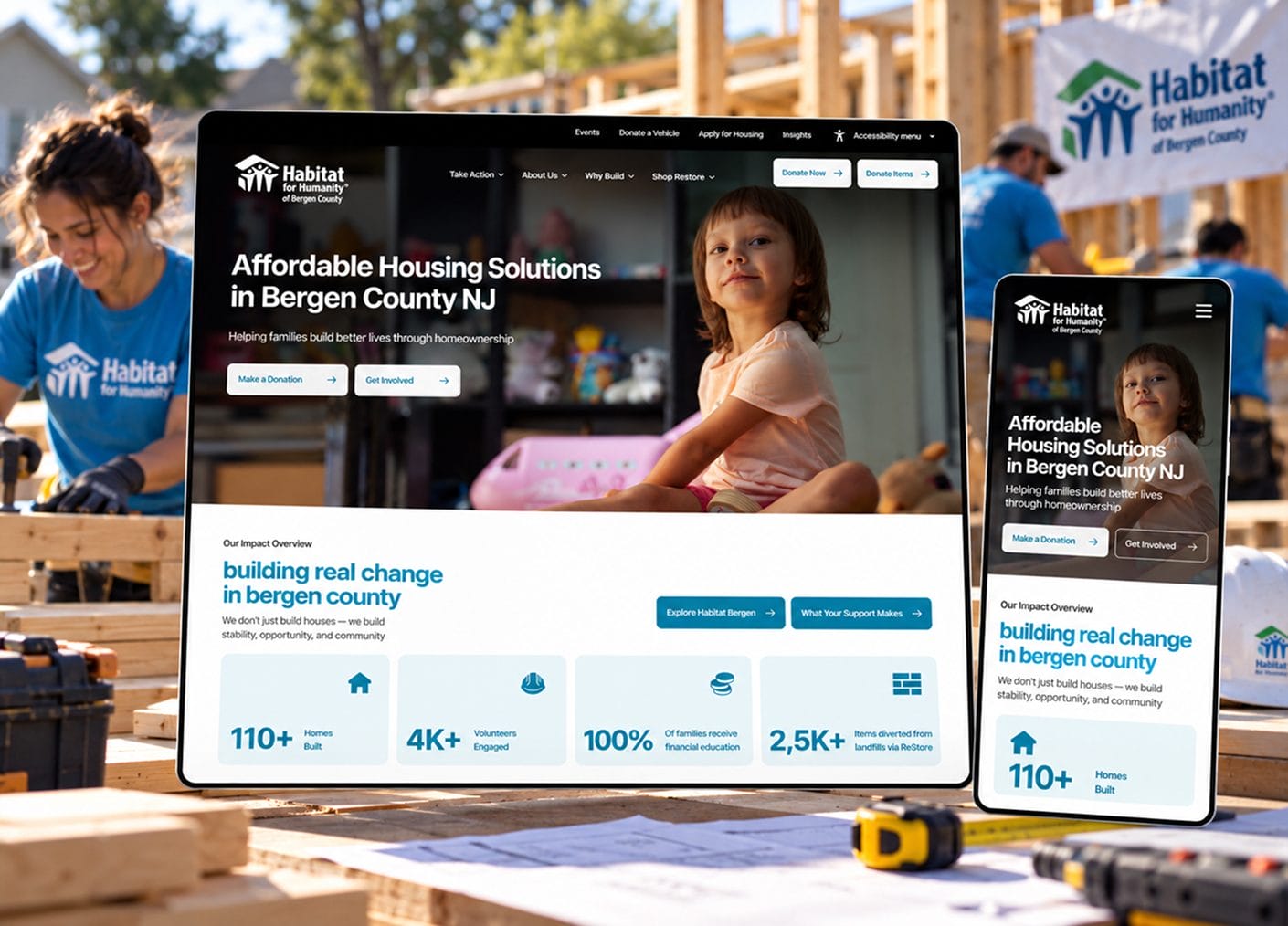
Habitat For Humanity – One Site For A Home-Building Affiliate And Its ReStore
The Bergen County affiliate builds affordable homes, and its ReStore resale store helps fund them.
We brought both under one site, explained how ReStore purchases support local housing and gave each audience its own navigation path.
Average engagement time per session rose 11.93% and views per session grew 9.9%.
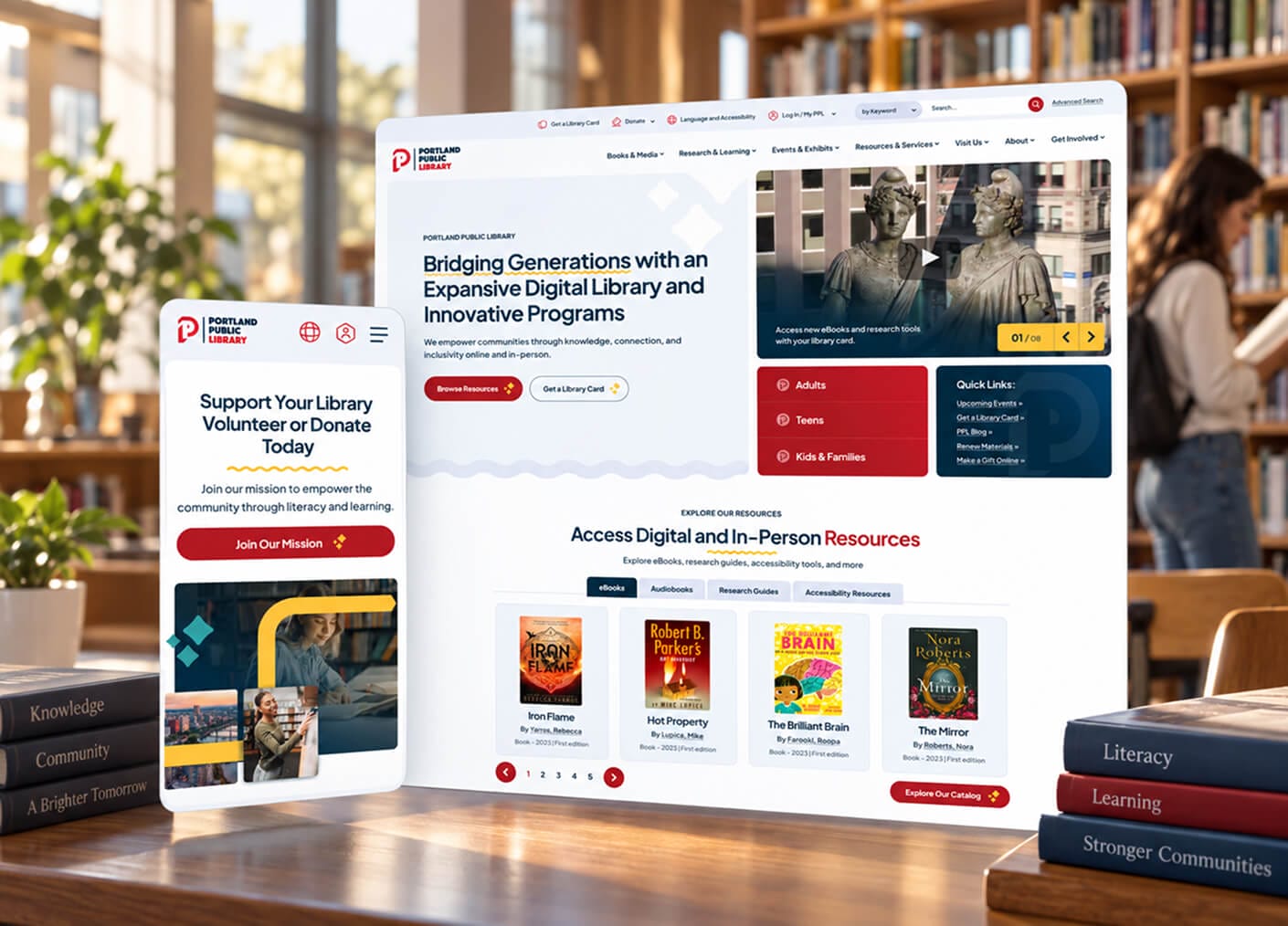
Portland Public Library – Programs, Events And Resources Easy To Find
The library’s content was there, but visitors who didn’t know exactly what they wanted often left without finding it.
We rebuilt the navigation around programs, collections and events, designed for accessibility and set up a CMS the team runs on its own.
Engagement time per active user is up 47.82% since the February 2026 launch.
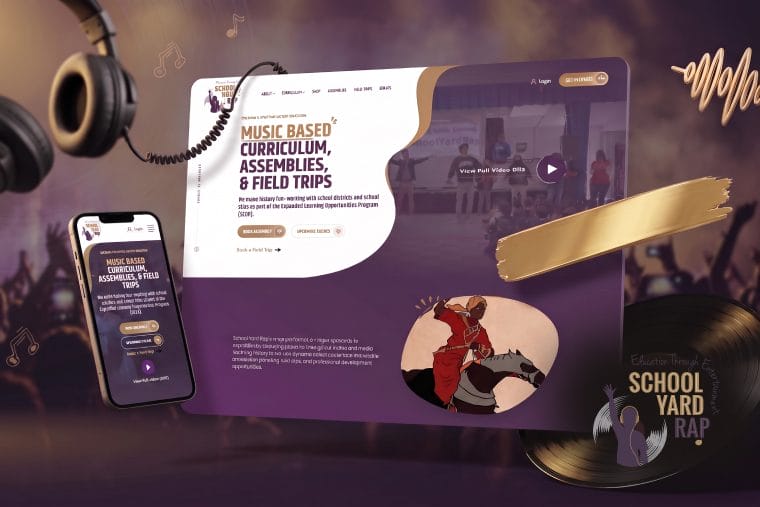
School Yard Rap – Music-Driven History Lessons For K-12 Classrooms
This Fresno education company brings overlooked stories of people of color to life, but its patchwork website couldn’t convey that energy.
We led strategy, messaging and custom design for five key pages, then built a WordPress platform the team can easily update.
Administrators, teachers and parents can now explore assemblies, field trips and curriculum, then book a visit in a few clicks.
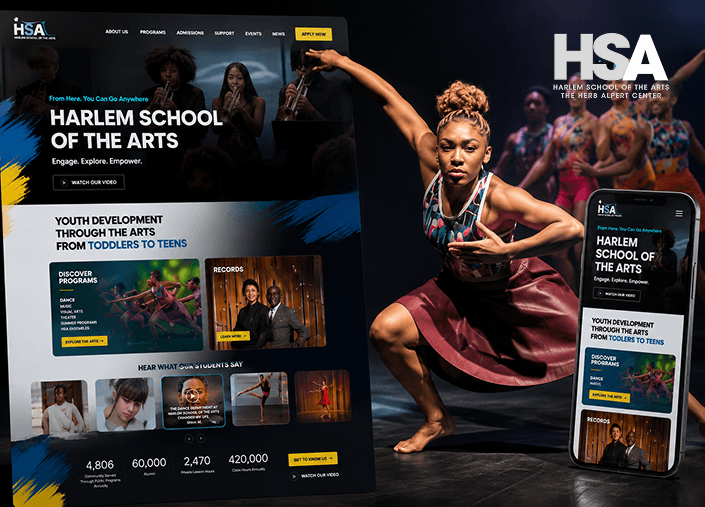
Harlem School Of The Arts – A Mobile-Friendly Home For Arts Classes
The school’s old site wasn’t responsive and made it hard to register for classes or find key information.
We designed a vibrant site with clear paths to registration and donations and an SEO-driven structure.
More than 13,000 new users found the school within three months, and organic traffic rose 43%.
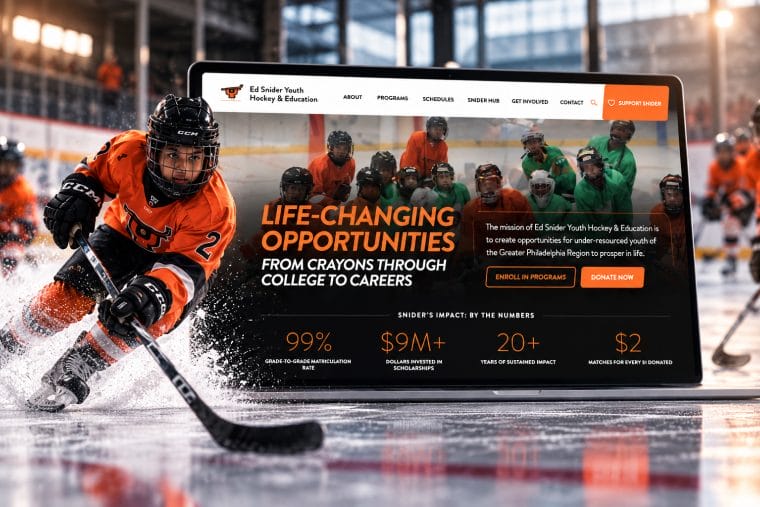
Ed Snider Youth Hockey & Education – A Faster Home For 1,500+ Philadelphia Students
This nonprofit uses ice time to open doors for low-income kids at no cost, but its old platform was slow, clunky and hard to update.
We planned the strategy and messaging, then designed and built custom pages, including a giving hub and newsletter sign-up tied to the CRM.
Families can now explore programs on any device, donors find clear ways to contribute, and staff publish news without developer help.
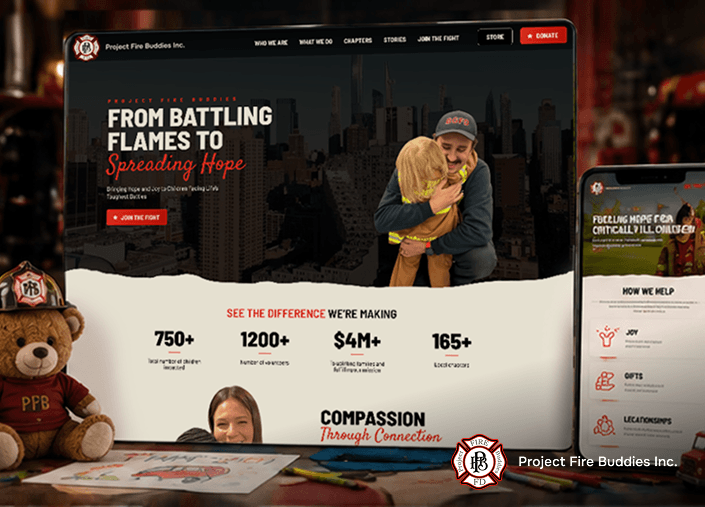
Project Fire Buddies – Donate, Refer And Start A Chapter From Any Device
Founded by firefighters, this non-profit was growing across the U.S., but most visitors left its site in under a minute.
We rebuilt it with ADA-compliant UX, stronger storytelling and clear “Donate,” “Refer a Child” and “Start a Chapter” calls to action on every device.
In three months, engagement time grew 16.2% and engagement events rose 37.4%.
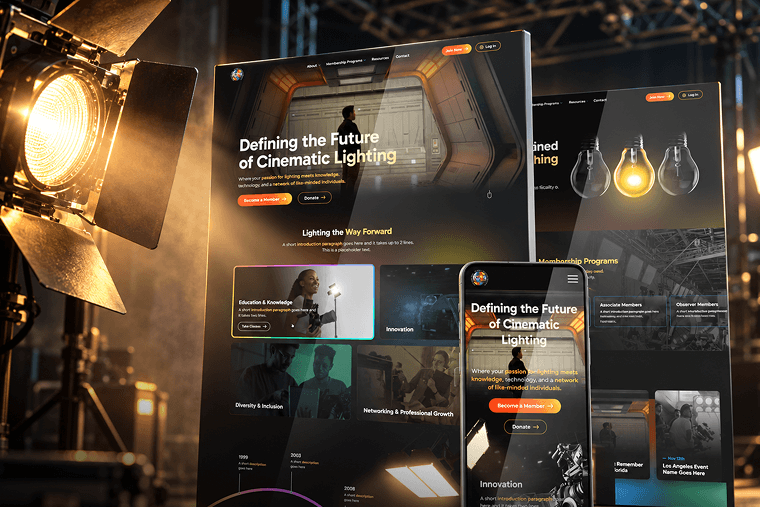
International Cinema Lighting Society – Returning Visitors Up 41.6% In Two Months
As the only organization of its kind for film lighting professionals, the society needed a site that sells its value.
We built clear membership tiers with benefits for each level and an educational platform with a video library.
Organic sessions rose 59% over the same period, as the video library gave members a reason to come back.
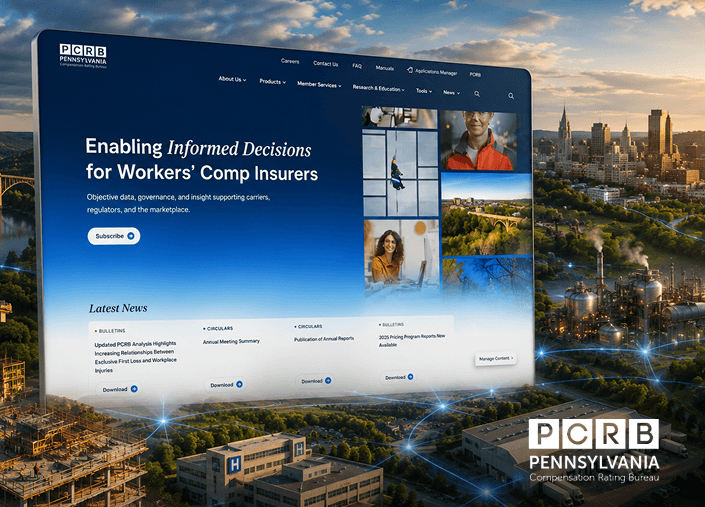
Pennsylvania Compensation Rating Bureau – A Faster Way To Look Up Regulations
Insurers across the state rely on the rates, rules and manuals this bureau publishes.
Every document used to live in a separate PDF, so we built one searchable library for all 6,000+ of them.
Pages are organized by audience, from carriers to employers to agents, and staff manage everything in-house.
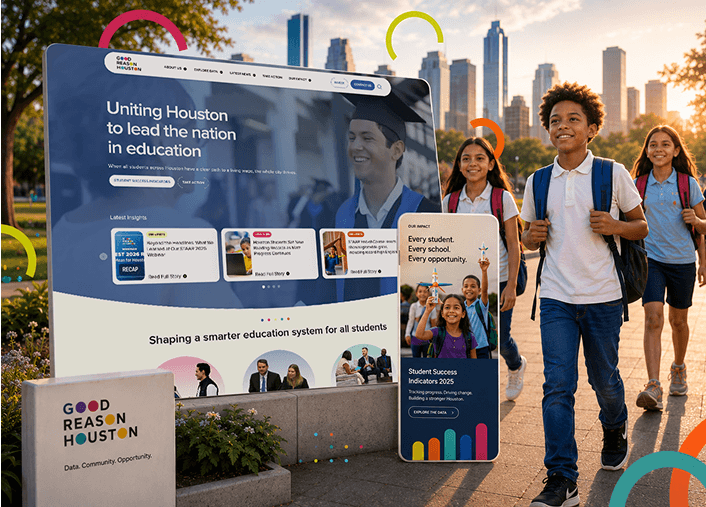
Good Reason Houston – Public School Data, Made Clear For Houston Families
Houston’s public schools are the focus of this nonprofit, which needs to reach families, teachers, lawmakers and donors alike.
Interactive Tableau charts turn district data into something visitors can explore, alongside a mega menu, donations and a careers portal.
Built on custom Gutenberg blocks, the site gives staff flexible page layouts they can assemble on their own.
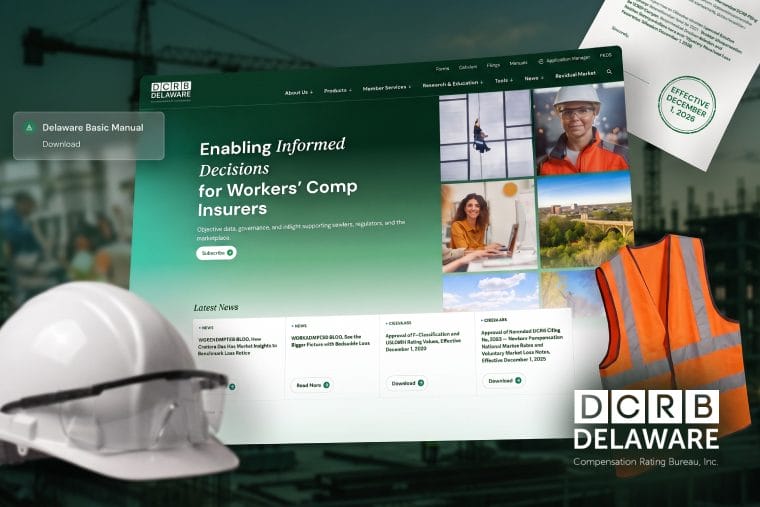
Delaware Compensation Rating Bureau – Every Manual And Circular, A Few Clicks Away
This state-authorized nonprofit sets workers’ comp rates, yet its old platform needed IT support for even small content changes.
We designed and built its own theme on a shared WordPress multisite, with mega navigation, advanced search and migrated archives.
Insurers, employers and regulators can now locate forms, filings and rate data quickly, while staff publish updates independently.
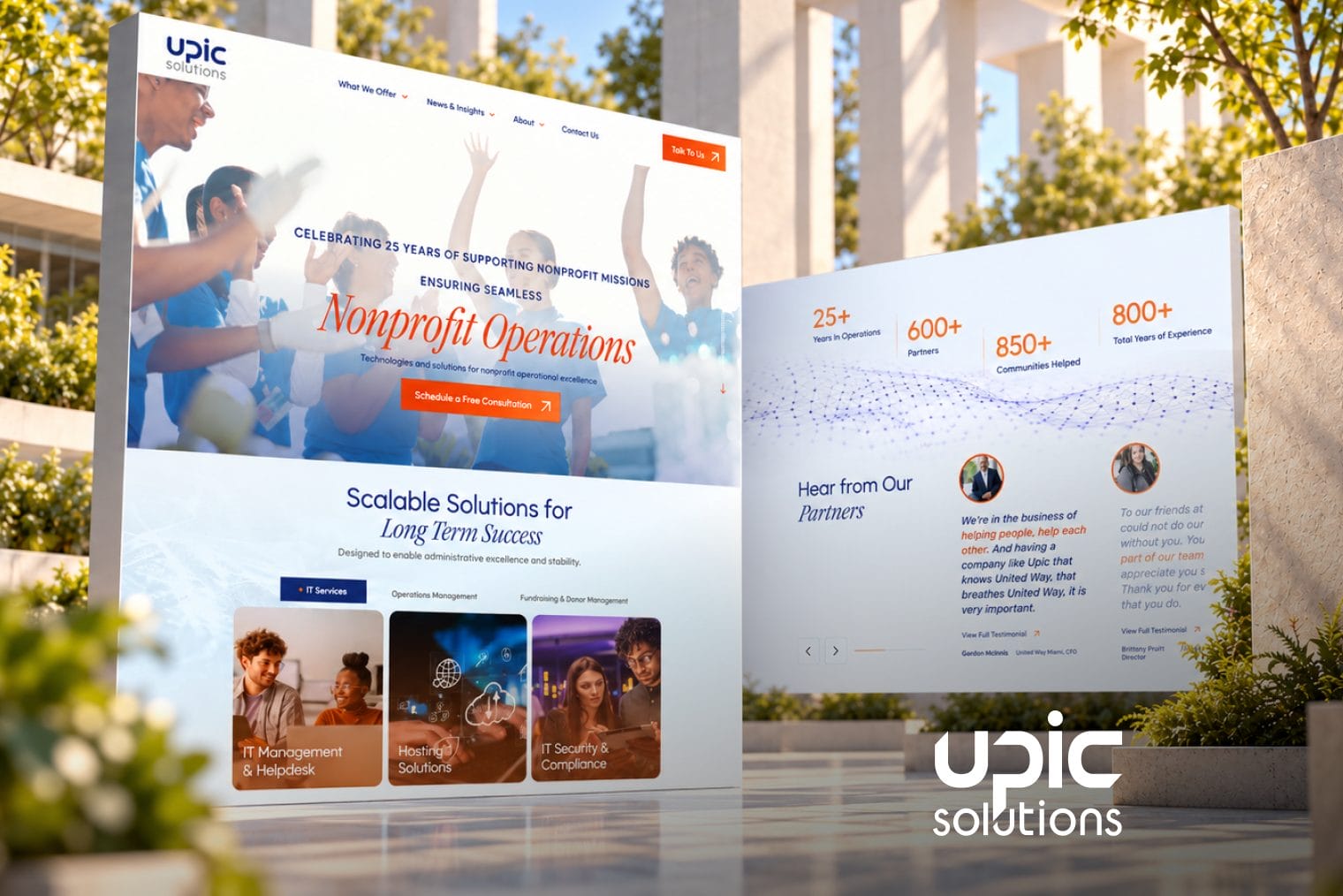
Upic Solutions – Back-Office Support For Nonprofits Since 2001
Created by and for United Ways, this organization runs IT, accounting, HR and CRM for charities, but its outdated presence spoke only to that network.
We shaped a brand strategy, then planned, designed and built a responsive platform with a dedicated page for each service.
Finance, operations and technology leaders at mission-driven groups can now explore every offering and request a consultation from any device.
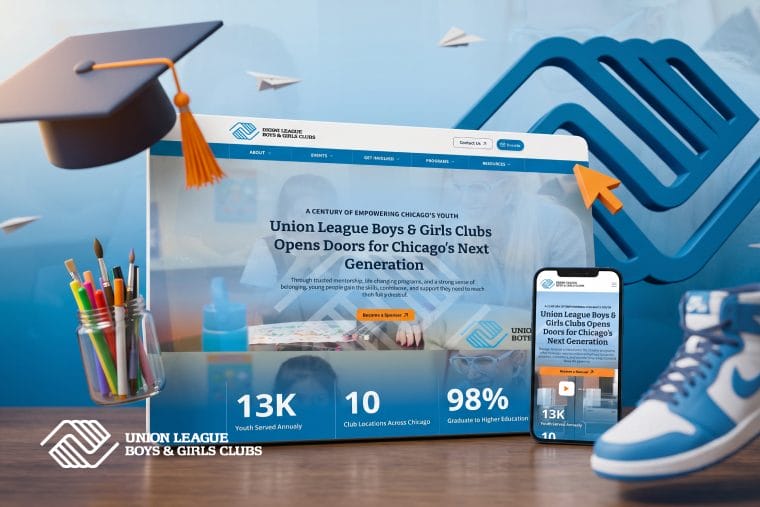
Union League Boys & Girls Clubs – A Donor-Ready Home For 15,000+ Chicago Kids
Since 1919, this nonprofit has supported youth at 21 locations, but its pre-pandemic platform was holding back donations.
We planned, designed and built a custom experience with integrated online giving, impact stats, event pages and partner recognition.
Families, supporters and sponsors now explore programs, upcoming activities and clear paths to contribute in one place.
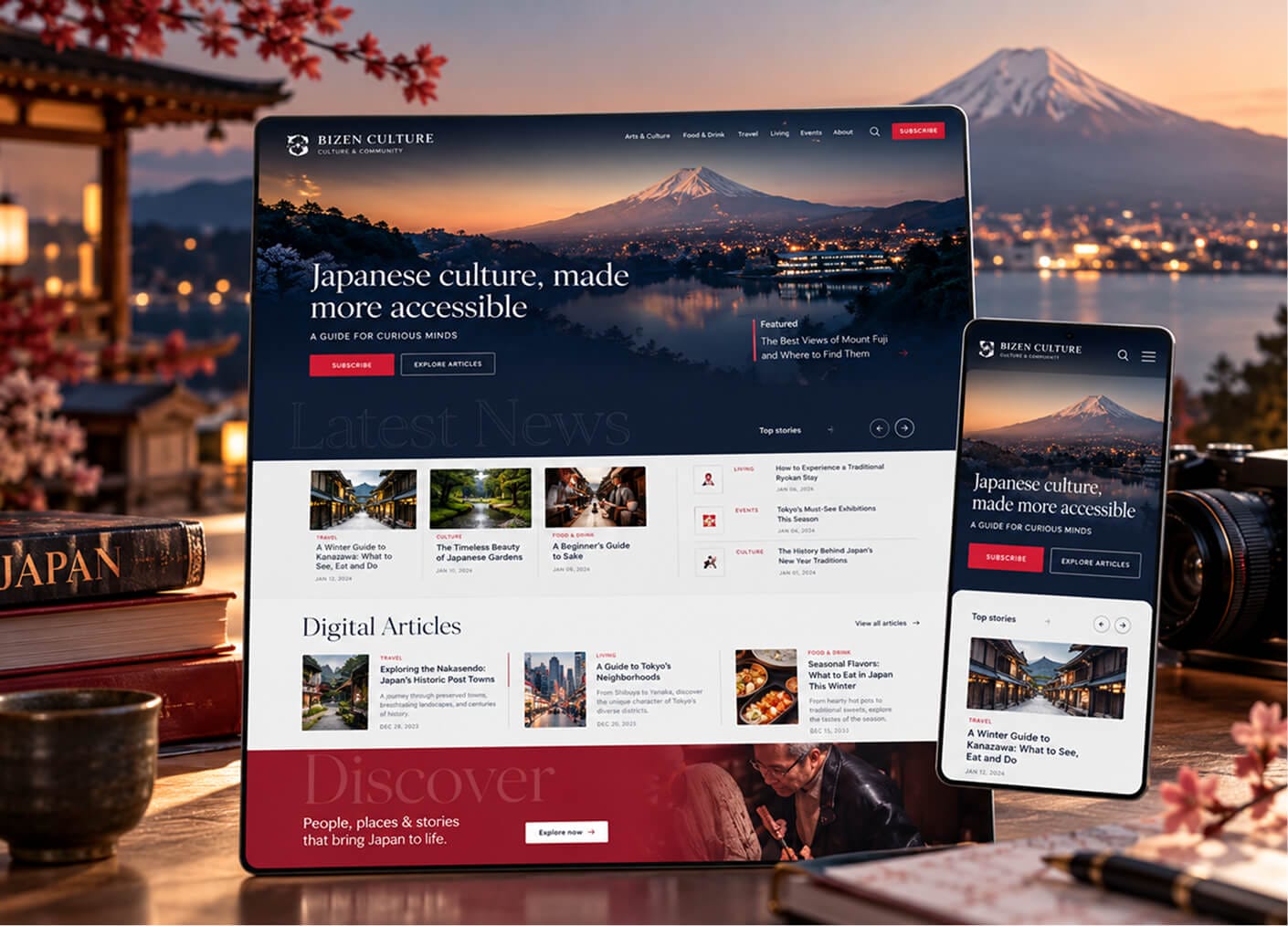
Columbia University’s Donald Keene Center – An Academic Legacy, Opened To Everyone
Long seen mainly as a literary institution, the center wanted students and the public to discover its full range of cultural programs.
Our bilingual design keeps academic credibility intact while making three decades of archive material simple to browse.
Visitors can now explore 541 events and 26 Sen Lectures on any device, in English or Japanese.
The team at Digital Silk were great to work with and we are thrilled with our new website. It was a very complicated project and they stuck with us through all of it. We are already seeing a marked improvement in user engagement.

What We Build For Non-Profits
From donation flows to accessible design, we create every part of a website that turns support for your cause into action.
Storytelling
People give to stories, not mission statements.
Sign-Up Flows
Every extra step costs you a gift.
Navigation
A donor and a family in need look for different things.
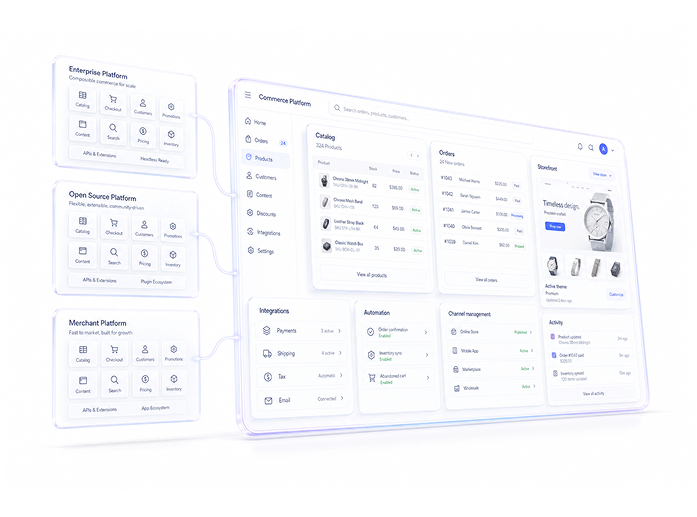
Design
Your site should work for everyone you serve.
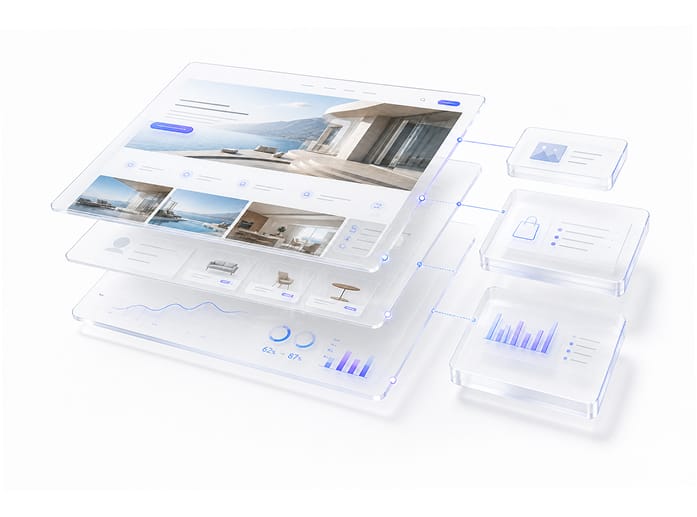
CMS
Small teams shouldn’t wait on a developer.
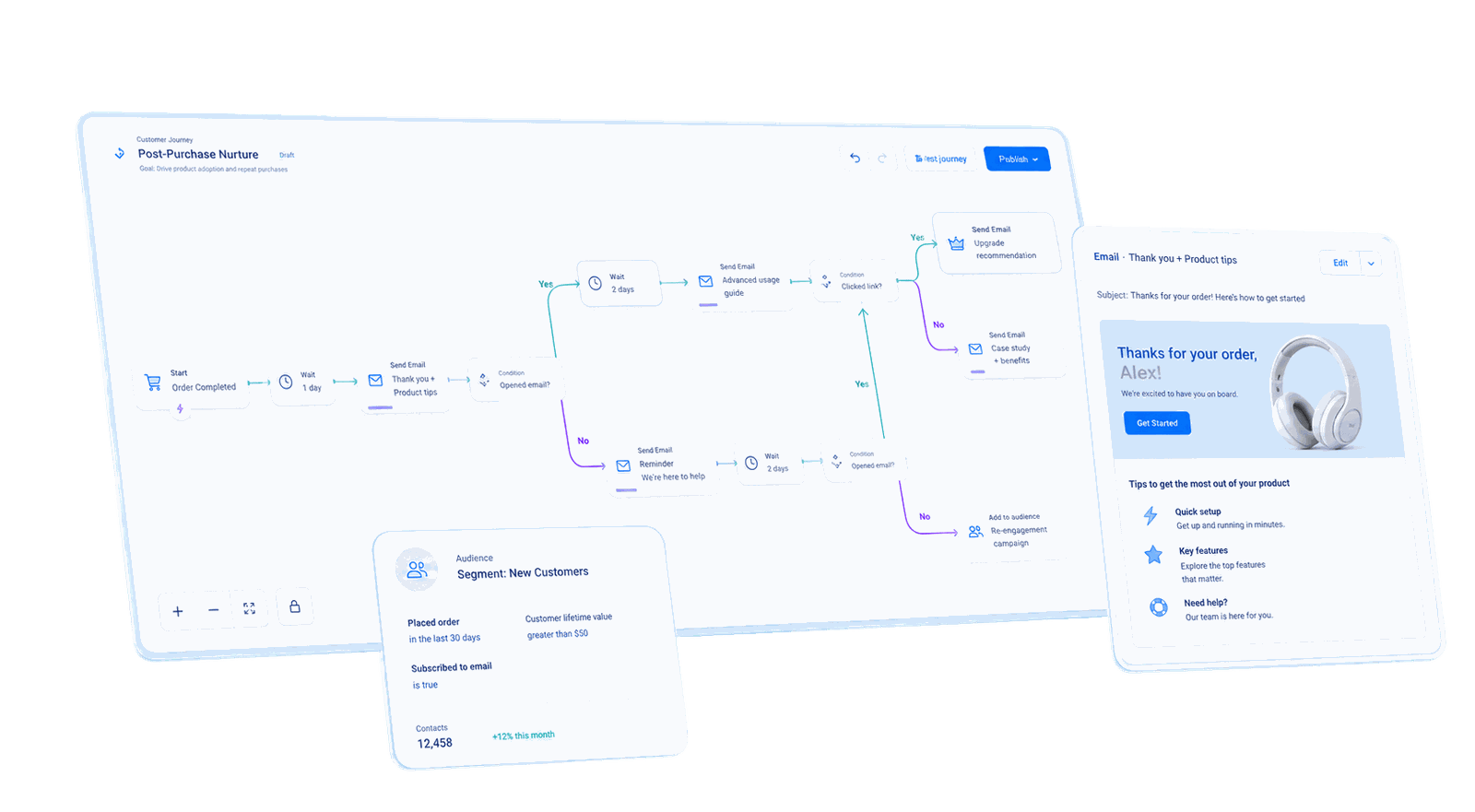
How We Build Your Non-Profit Website
Your team juggles boards, budgets and busy staff. This is how we keep your project moving and your priorities in focus.
Mapping

We start with your goals and programs.
We review your goals, programs, audiences, current site and analytics, then define what success looks like, whether that’s donations, volunteers, members or program sign-ups.
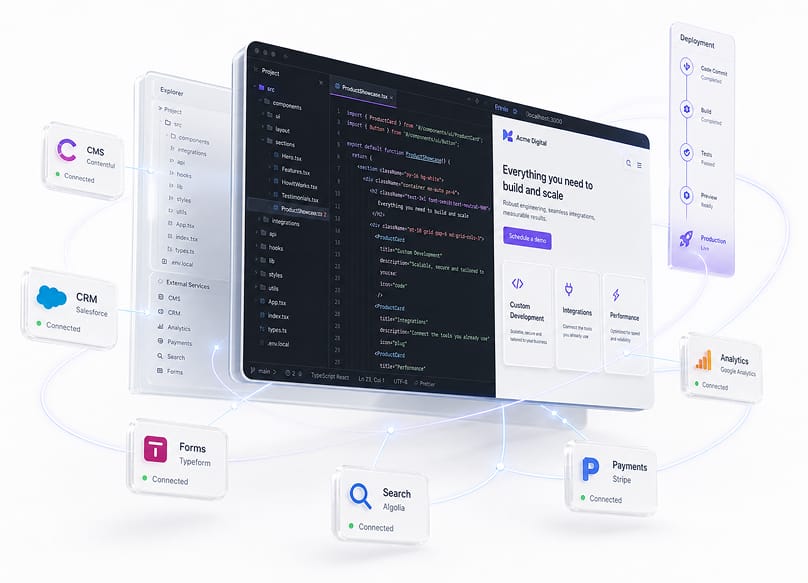
Architecture

Each audience gets a clear way in.
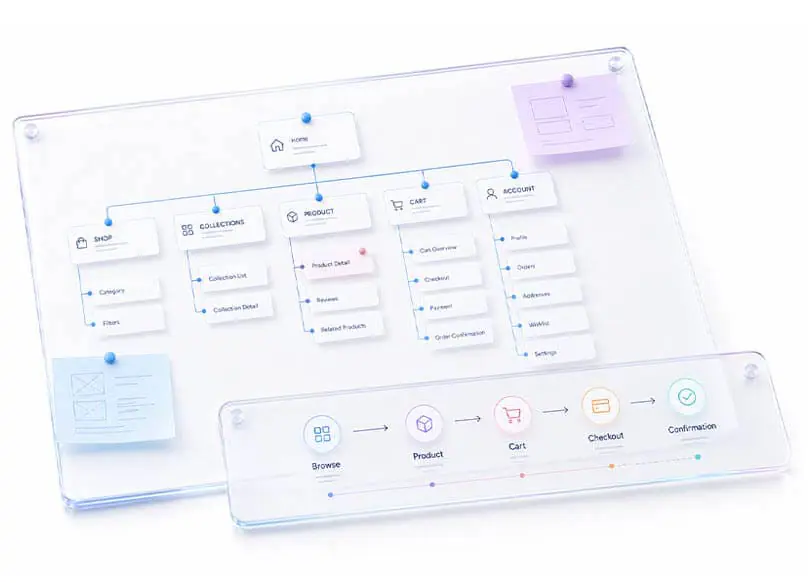
We plan the sitemap and navigation around donors, volunteers, members and the people your programs serve, so no one has to dig.
Content

Words that move people to act.
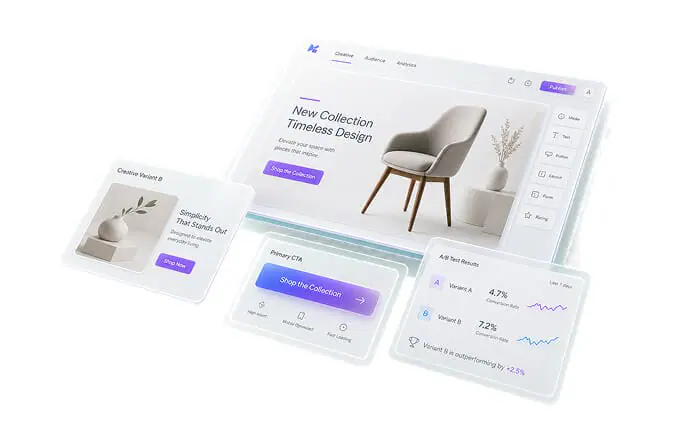
Our strategists write messaging and CTAs grounded in your impact, backed by keyword research so people searching for your cause can find you.
Design

You review the structure before the visuals.
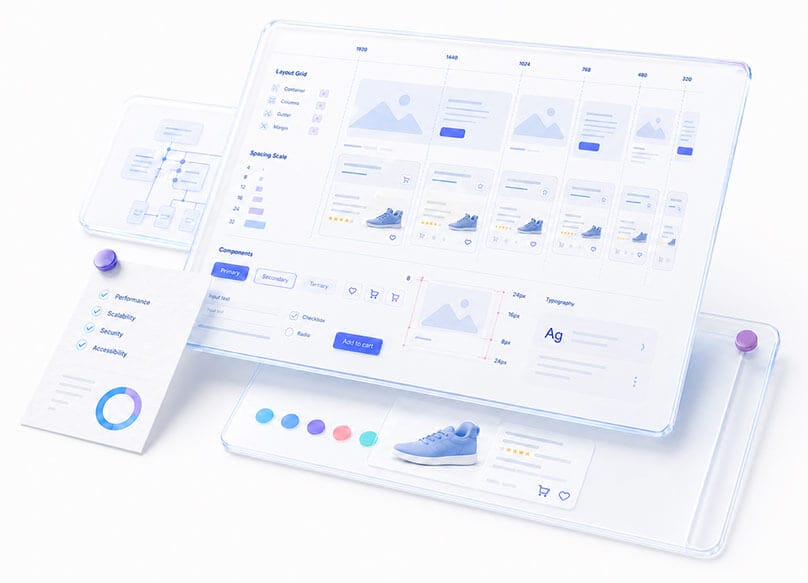
Once wireframes are approved, we design accessible desktop and mobile layouts with real photography and stories front and center.
QA

Built to be accessible, secure and simple to run.
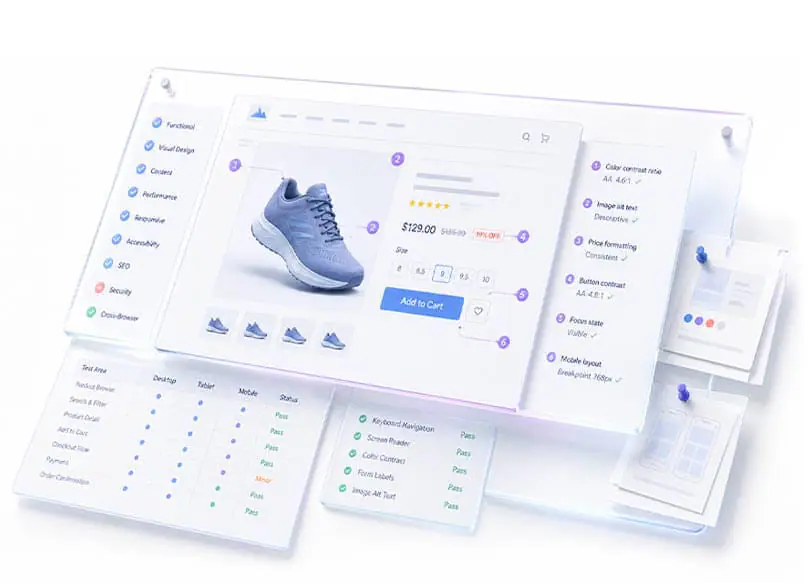
We set up the CMS, connect donation and CRM tools, and test every form, browser and device before launch.
Support

Training for the people who’ll run the site.
We train your staff, set up analytics and stay available through support retainers as campaigns and programs change.

What Sets Us Apart?
Strategy
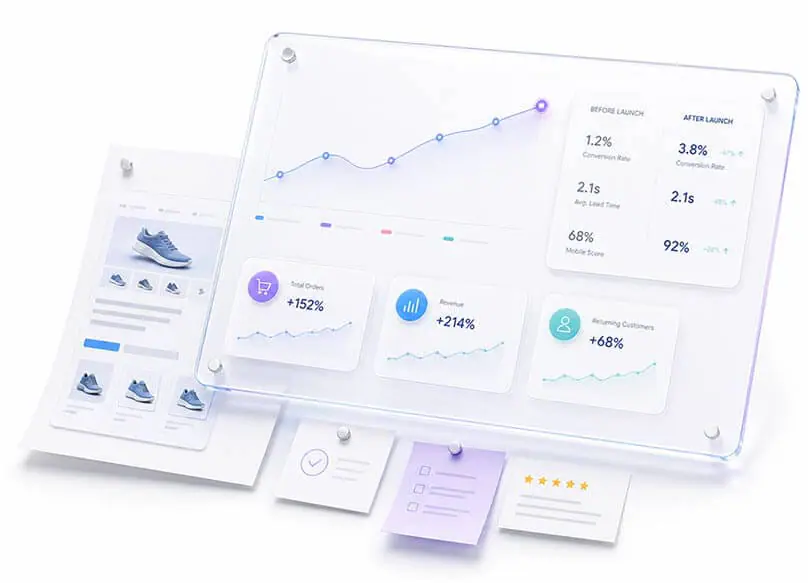
We design around outcomes, not page counts.
After Launch
We stay on after go-live.
Mission Work
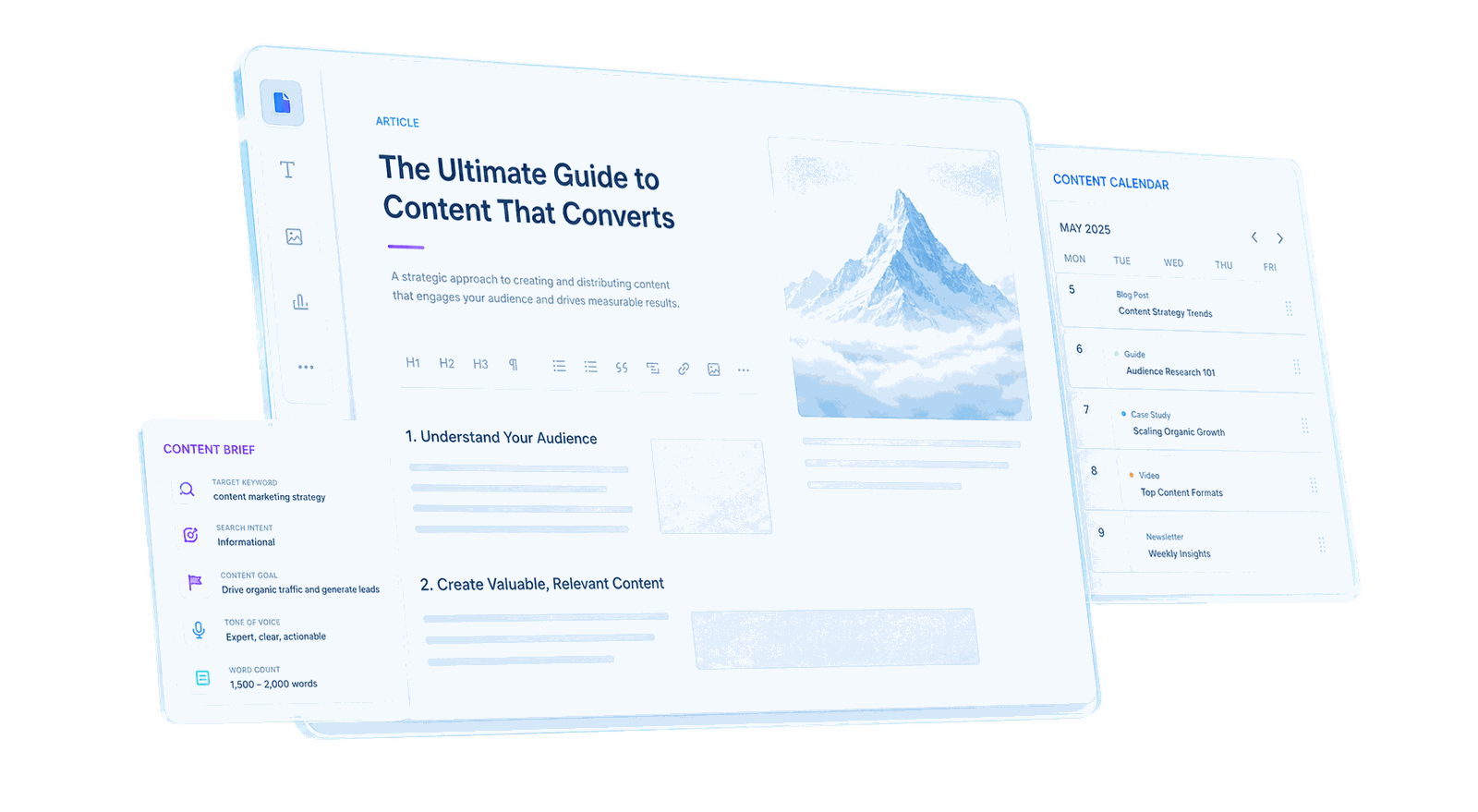
We know how non-profits work.
Strategy To Support
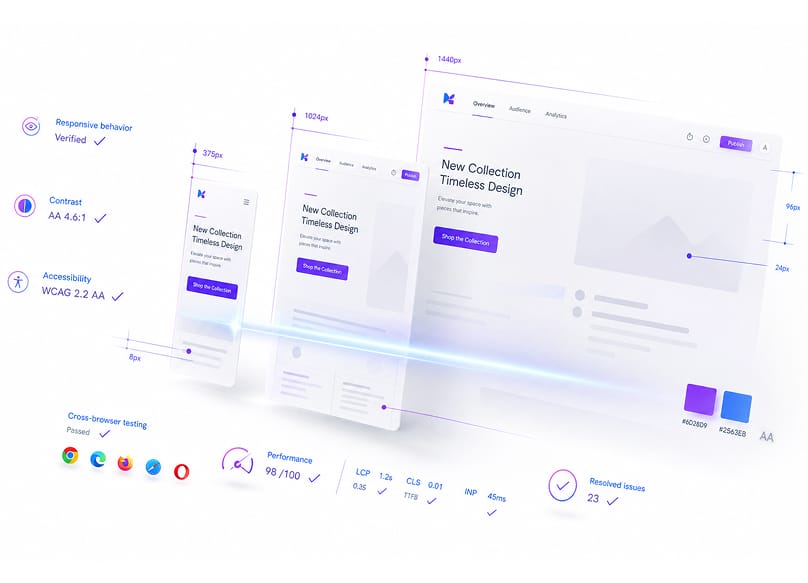
No handoffs between vendors.
From SEO to a better-performing and well-laid-out UX, Digital Silk excelled at all the goals that were set out for our project. Overall, we had a very pleasant experience working with Digital Silk.
Questions Non-Profits Ask
Before a Website Project
What makes non-profit web design different from other web design?
A non-profit site serves several audiences at once, often with a small team behind it. Donors, volunteers, members and the people you help all need their own path, and your staff needs to keep the site current without a developer. We plan around both from day one.
How can a new website help increase online donations?
Mostly by removing reasons to hesitate. We keep donation forms short, offer the payment methods people expect, including digital wallets, and place trust signals right where payment details are entered. Then we make the donate button easy to find from every page.
Can you connect our donation platform, CRM or event tools?
Yes. We connect the site to the donation, CRM, email and event platforms you already use, so gifts, sign-ups and registrations flow into your systems without manual data entry. If a tool has no modern API, we’ll tell you upfront and scope another way to connect it.
Will our website be accessible?
Yes. Accessibility is planned from the first design, and we can add features like an accessibility toolbar with text-size, contrast and readable-font controls, as we did for one of our university clients.
How long does a non-profit website project take?
A typical custom project runs 3 to 6 months, depending on size and integrations. Roughly 35-40% of any timeline depends on the client side, such as content, reviews and board or committee sign-off, so we give you a dated schedule upfront showing when we need decisions from you.
Can our staff update the site without a developer?
Yes. We build on a CMS with modular components, so your team can publish news, events, campaigns and stories on their own. Before launch you get a handover document written for your site and recorded training sessions with the people who’ll manage it.
Do you use templates for non-profit websites?
No. Every design is custom to your organization and the people you serve. We do reuse our own tested modules, like forms, where they fit, which saves time and budget for the parts that make your site distinctive.
How do you test the site before launch?
Every project has a dedicated QA engineer. We run software-assisted checks, then each department reviews its own work against a detailed checklist covering formatting, security, design accuracy, content, SEO, page speed and every form. You also get a testing round to review the site yourself before it goes live.
How do you measure whether the new site is working?
We record a baseline before launch, then track the same metrics after it: donations, volunteer and member sign-ups, event registrations, organic traffic and engagement. We agree on the targets with you before we start, so results are measured, not guessed.
Who owns the website once it’s finished?
You do. Once the project is paid in full, the custom code, designs and content transfer to your organization, along with access to the repositories and production environment. You’re never locked in.
Can the site handle traffic spikes during campaigns like Giving Tuesday?
Yes. If you host with us, we load-test the infrastructure ahead of major campaigns, scale resources in advance and use caching and a CDN to absorb the traffic. Our DevOps team monitors the site during those events, with backups and a recovery plan in place.
What do you need from us to get started?
Your goals, the audiences you serve, how you raise funds and recruit volunteers, and the challenges you’re facing today. Analytics access, brand guidelines and existing content help, but if you don’t have them, our strategists will fill the gaps.
Will we lose search traffic if we redesign our website?
Not if the migration is planned. We map every existing URL to its new page with 301 redirects, keep the content that already ranks and monitor rankings and traffic after launch to catch any issues early.
"*" indicates required fields