Last year, 42% of restaurant operators reported that their restaurant was not profitable, and 60% reported softer customer traffic. That’s the National Restaurant Association’s own take on the industry going into 2026.
At those margins, “more customers” becomes more than just a strategy, but rather a hope with a budget attached. What actually decides whether marketing helps is two numbers: what a customer costs to bring in, and how many times they come back.
We work on both. For Headwaters, that meant filling the dining room at $3.53 per reservation. The volume mattered less than the fact that it was cheap enough to be worth doing again next month.
Request a Quote
Let’s Create Something AMAZING Together
"*" indicates required fields
Restaurant MarketingIs More Of An Arithmetic Problem Than A Creative One
01
The Margin Sets The Budget, And The Margin Is Thin
The National Restaurant Association’s 2026 State of the Restaurant Industry puts the sector at $1.55 trillion in sales with 1.3% real growth — a large, stable, extremely competitive market. It also reports that more than nine in ten operators cite food, labor, insurance, energy and swipe fees as significant challenges, that 60% saw softer traffic, and that 42% weren’t profitable.
That combination — big market, thin margins, soft traffic — decides what good marketing looks like here, and it’s not what it looks like in most categories.
A restaurant cannot spend its way to a customer. If your contribution margin on an average check is a few dollars, an acquisition cost of forty dollars is not aggressive growth, it’s a loss you’ve chosen. Plenty of restaurant marketing is sold on reach and impressions precisely because those metrics never have to survive that arithmetic. Cost per acquisition does.
Which means cheap channels beat clever ones. Local paid search and paid social, done with discipline, can deliver customers at single-digit costs — Headwaters at $3.53 is a real example, not a best case dressed up. Influencer campaigns, brand video and out-of-home can all work, but they have to clear a much lower bar to be worth it, and most agencies never do that math out loud.
And it means the second visit is where the money is. If acquisition costs anything at all, a guest who comes once is close to break-even and a guest who comes monthly is the entire business. That reframes the whole program: the objective isn’t a customer, it’s a habit.
02
Most Of Your Discovery Happens Where You Have The Least Control
Ask an operator where their marketing lives and they’ll usually point at the website and the social accounts. Ask a customer how they chose, and the honest answer is generally a map, a photo, a rating and a menu — often without ever visiting the restaurant’s own site.
That’s uncomfortable, because the surfaces that actually drive the decision are ones you don’t own and can’t redesign. But they can be worked, and most restaurants work them badly or not at all:
The map listing is the storefront. Category, hours that are actually correct, attributes, ordering and reservation links, service options. Wrong hours on a holiday weekend costs real covers, and nobody notices because the customer just goes somewhere else. This is unglamorous maintenance work with a direct revenue line, and it’s the first thing we audit.
Photography is the menu. The images attached to your listing — including the ones customers uploaded — are doing more selling than any campaign you’ll run. A restaurant with twelve dark phone photos and a competitor with sixty good ones are not competing on equal terms. Managing that library is marketing, even though it doesn’t look like it.
Reviews are both ranking and conversion. Volume, recency and response all matter, and the pattern that works is boring: ask consistently, respond to everything, and treat a bad review as a service recovery rather than a reputational emergency. Review velocity is the metric to watch, not the star average, because a 4.4 with fifty reviews this quarter beats a 4.7 that stopped updating in 2023.
And the menu is your most-visited page, usually as a PDF. A menu that’s an image or a PDF is invisible to search, unusable on a phone, and impossible to update quickly. Making it real, indexable, structured content is one of the highest-return technical changes available to a restaurant, and it takes a day.
None of this is exciting. All of it compounds, and unlike advertising, it doesn’t stop working when the budget pauses.
03
Frequency Is The Growth Lever Nobody Funds
Here is the arithmetic that changes how a restaurant should spend.
Take a guest who currently visits four times a year and get them to six. You’ve grown that customer’s annual value by 50% at effectively zero acquisition cost — you already have their attention, and possibly their email address. Now go and acquire an equivalent new customer instead, and you pay every time.
Almost every restaurant marketing program is built the other way around, with nearly all of the budget aimed at people who have never been in. It’s a habit inherited from an era when reaching your existing customers was hard. It isn’t hard now.
The work is straightforward and consistently under-resourced: capture contact details at the point where you already have them — reservation, order, checkout, Wi-Fi — with a reason attached rather than a bare form.
Segment by actual behavior, especially recency, because a guest who came last week and one who came last year need different messages. Build a lapsing trigger, since the moment a regular stops being a regular is both invisible and recoverable. And give people a reason to come on the occasions they don’t yet associate with you, which is usually a day part rather than a discount.
Loyalty programs can work, but they’re a mechanism, not a strategy, and a discount-driven one can quietly train your best customers to pay less for visits they were making anyway. The safer version rewards frequency and occasion rather than price.
How We Help Your Restaurant Marketing
Cost Per Cover
Against a thin margin, cost per acquisition is the number that decides whether marketing is worth doing. Headwaters’ was $3.53. Impressions aren’t a substitute.
The Touchpoints You Don’t Own
Map listing, photography, reviews, hours. Most discovery happens there, most restaurants neglect it, and it keeps working after the budget stops.
The Second Visit
Moving a guest from four visits a year to six grows their value 50% at no acquisition cost. It’s the cheapest growth available and it’s almost never funded.
The Menu As A Page
Your most-visited content is usually a PDF, which means it’s invisible to search and unusable on a phone. One day of work, permanent return.
One Restaurant, A Group, Or A Brand —The Work Changes
01
A Single Independent Location
Everything is local and the addressable market is small enough to name. The wins are almost all operational: a correct and complete map listing, a real menu page, a photo library that’s actually maintained, review velocity, and a modest, disciplined paid budget aimed at a tight radius.
A restaurant that does those five things well will out-market most of its neighbors without a campaign.
02
A Small Group — Two To Ten Locations
The interesting problem becomes allocation. Locations are rarely equally healthy, and a shared budget spread evenly is a budget spent badly.
Each location needs its own listing, its own reviews and its own local presence, while brand, creative and email run centrally. The single most common failure here is one social account posting for all locations, which serves none of them.
03
A Multi-unit Brand Or Franchise System
Restaurants Inside A Larger PropertyNow it’s a governance problem as much as a media one: brand consistency against local relevance, who controls the listings, who can spend locally, what a franchisee is allowed to post.
Our franchise marketing page covers those mechanics properly — the restaurant-specific addition is that food photography and menu variation by location make the consistency problem harder here than in most franchise categories.
04
Scale Experience
A hotel restaurant, a casino dining room, a venue with an events business. These serve two demand streams — guests already on site and locals who have to be persuaded to come — and they need genuinely separate programs.
Barton G is the clearest example in our own work: a restaurant and events brand where the events side and the dining side attract different audiences through different journeys.
05
Bars, Breweries And Late-Night
he occasion drives everything, the calendar is event-led, and the discovery pattern is heavily mobile and often same-day. Worth noting that the perishable-inventory argument bites hardest here.
Barton G – Engagement up 334%, through data-driven marketing
Barton G is an extravagant restaurant and events brand in Miami and L.A. that had never invested in marketing, leaning on its famous owner and photogenic dishes as competitors bid aggressively for attention.
We built tailored campaigns across PPC, paid social, email and organic social, set up its Google and Meta accounts.
Within six months web visitors rose 207% and engagement 334%.
I would absolutely work with Digital Silk again on future projects and would recommend them to anyone looking for a team that knows what they are doing but is also made up of really good people.
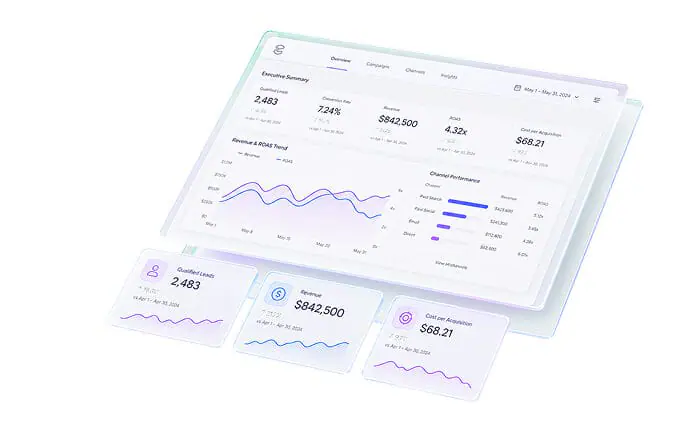
Every channel, from paid to email, is based on the same guest data and KPIs.
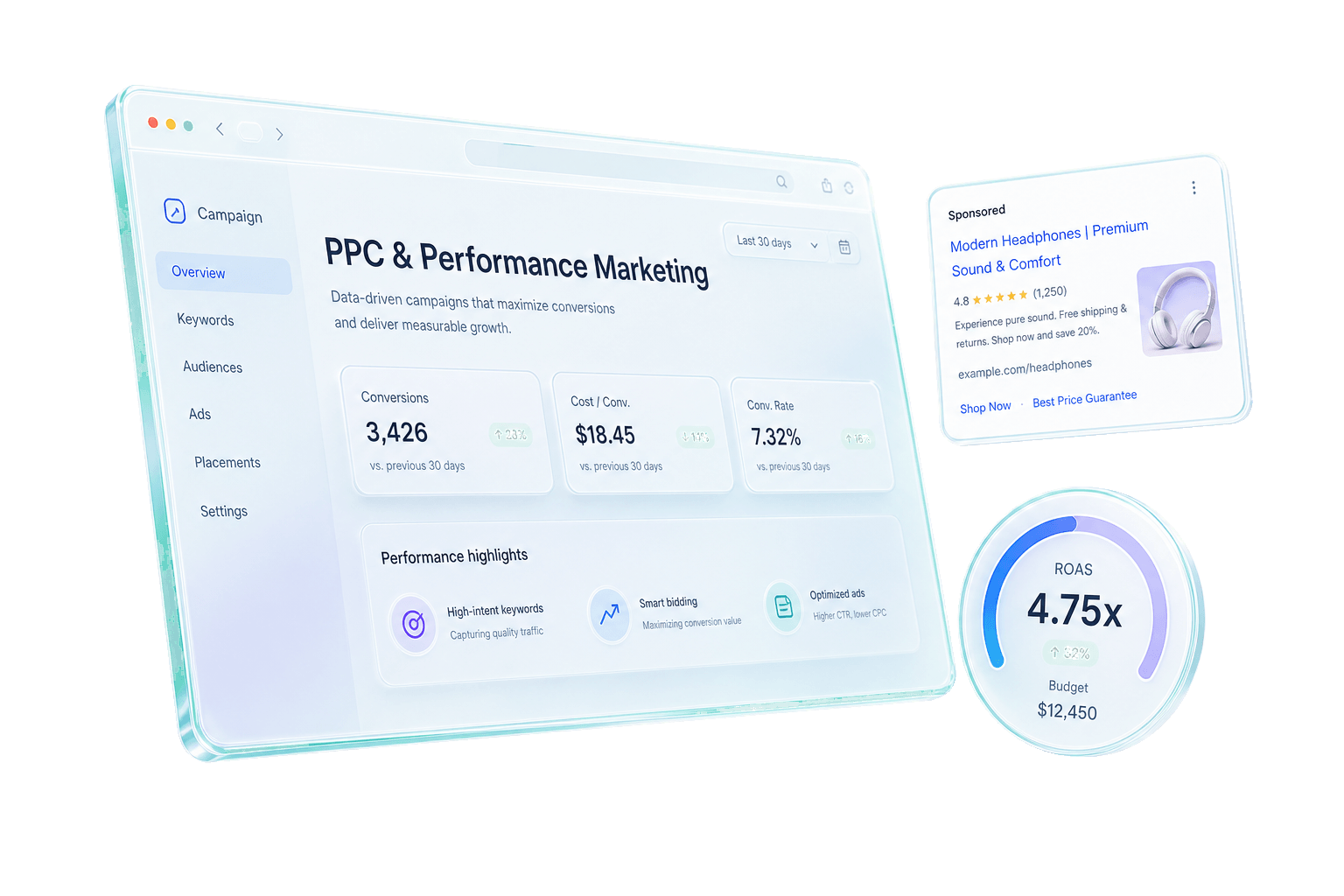
Local Paid Search And Paid Social
Local Paid Search And Paid Social
Tight-radius campaigns built around a cost per acquisition your margin can absorb, with the discipline to turn off what doesn’t clear the bar.
Google Business Profile And Local Presence Management
Google Business Profile And Local Presence Management
Categories, attributes, hours, ordering and reservation links, and the photo library. The least glamorous work on this list and usually the highest return.
Review Generation And Response
Review Generation And Response
A consistent ask, a response to everything, and review velocity treated as the metric rather than the star average.
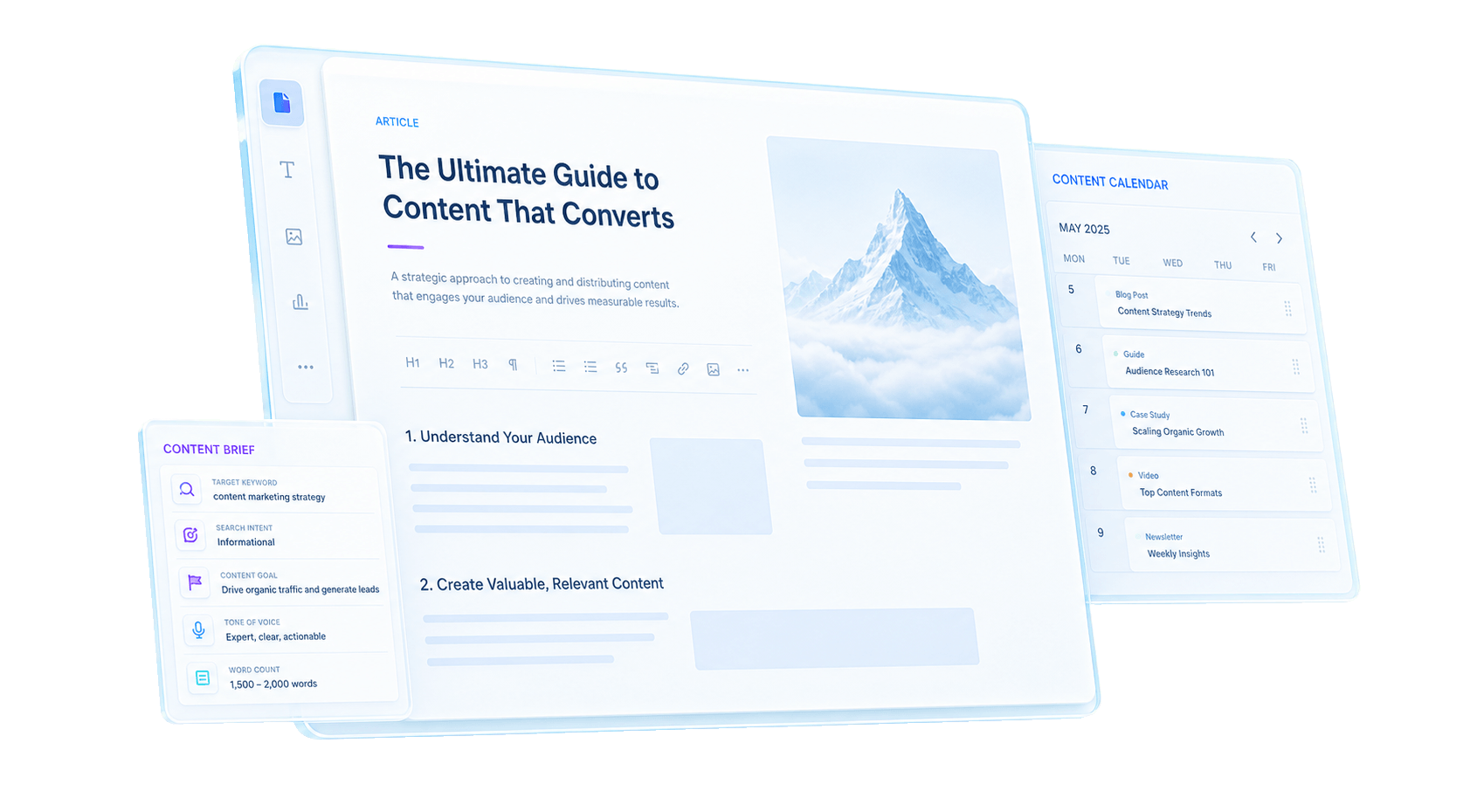
Menu And Content Optimization
Menu And Content Optimization
Turning menu PDFs into real indexable pages, and building the content that answers what people search before choosing a restaurant.
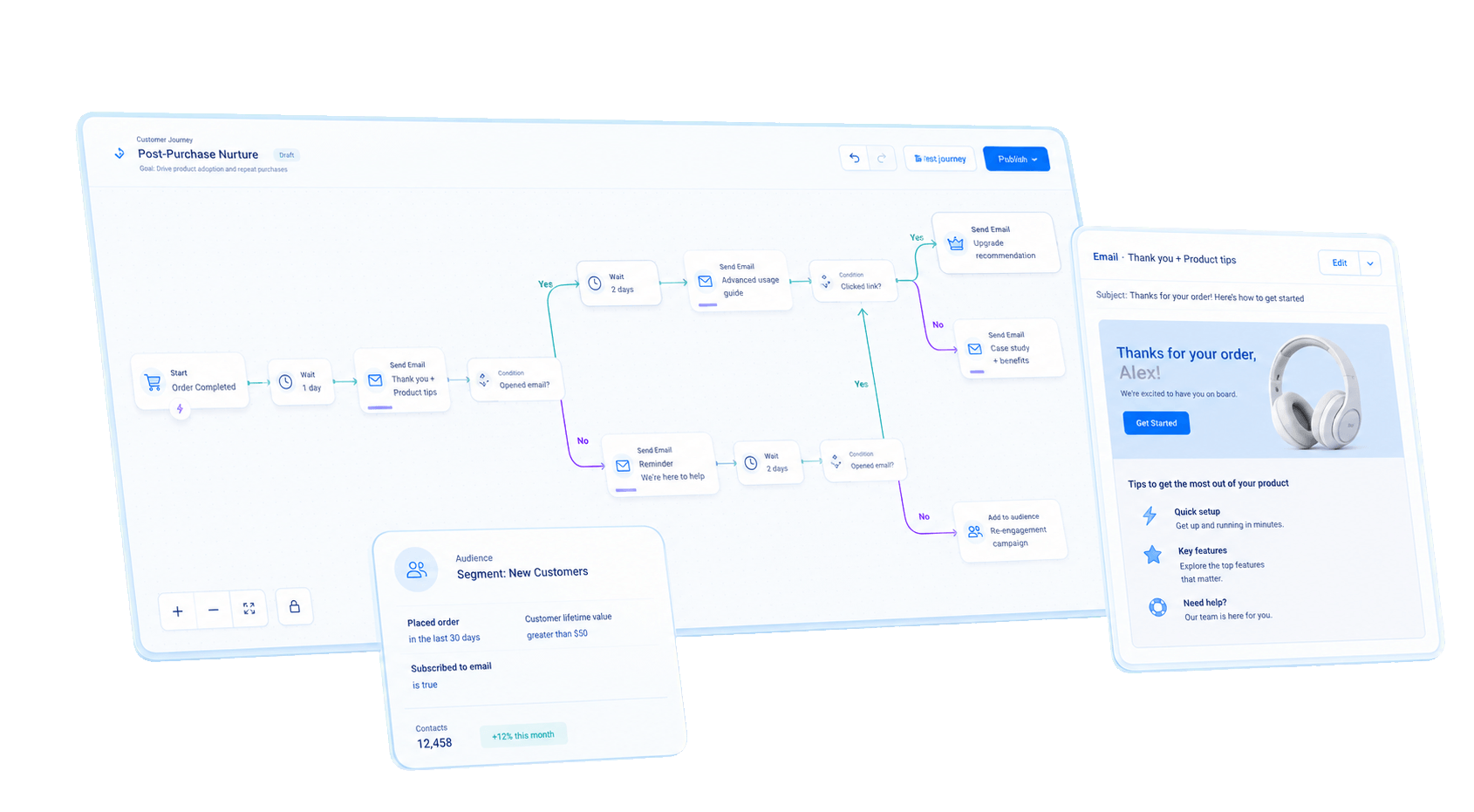
Email, SMS And Frequency Programs
Email, SMS And Frequency Programs
We capture guest data at reservation, order and checkout, then segment by recency to catch guests before they lapse. From there, we build in occasion-led reasons to return, so guests come back without needing a discount every time.
Here’s how our approach to restaurant digital marketing lays out, following the same six-phase framework with the restaurant-specific pieces worked in.
Discovery & Goal Alignment
We start with your revenue targets, average check and contribution margin per cover, since an acquisition cost target set without those numbers is a guess.
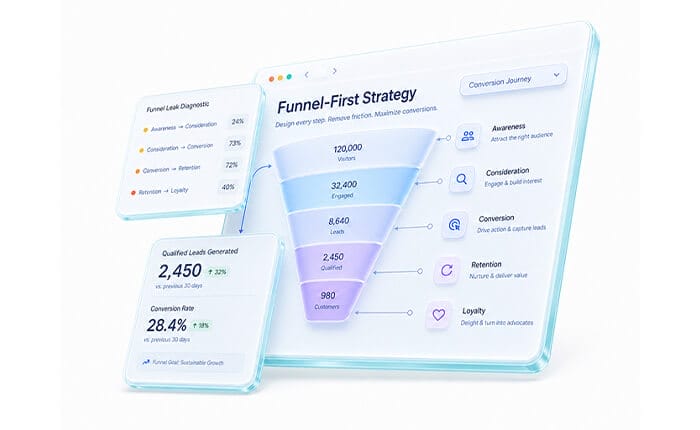
We set CPA benchmarks across PPC, SEO, organic social and email before launch. From there, we model funnel conversion and guest lifetime value so scaling improves profitability, not just traffic.
Market & Audience Research
We analyze keyword intent, competitor positioning and social signals to find high-conversion opportunities across channels.
We map how guests search by cuisine, occasion, location and price, then build that intent into a funnel that warms audiences before converting them into a reservation or order.
Channel & Tech Audit
Before touching ad spend, we check the fundamentals: map listing, hours, photos, review velocity and whether the menu lives on an actual page.
Fixing those is usually the fastest return available and costs almost nothing. We also audit every ad account monthly and review SEO, ordering platforms and attribution quarterly, catching budget leakage and tracking gaps early.
Integrated Strategy & Roadmap
We build an acquisition approach combining paid media, search, content and lifecycle automation, sequenced to protect cash flow while proving performance first.
Reservations and orders get instrumented from the start, since a program measured on traffic alone gets optimized for traffic. We start with an even channel spread and refine monthly toward what actually drives bookings.
Campaign Build & Launch
Campaigns, landing pages and tracking go live once audit findings are addressed and booking data flows correctly into reporting.
Every asset gets designed around the guest journey, from first search to completed reservation or order.
Scale & Expansion
We scale only what proves profitable, expanding winning campaigns, high-performing content and email or SMS sequences that drive repeat visits.
Acquisition volume grows while margin and acquisition cost stay protected.
Restaurant Digital Marketing FAQs
How much should we spend on marketing?
Work backwards from the check rather than forward from a percentage. If your contribution margin on an average cover is a few dollars, an acquisition cost in the tens of dollars destroys value no matter how good the creative is.
Headwaters’ campaigns delivered reservations at $3.53, which is the kind of number that makes a program repeatable. Any proposal that can’t tell you its target cost per cover isn’t a proposal, it’s a retainer.
Do we even need a website?
Yes, but it’s a smaller job than most agencies imply. Most discovery happens on a map listing, in photographs and in reviews, and plenty of guests decide without ever reaching your site. What the site has to do well is short: a real menu page, working ordering and reservation links, correct information, and fast on a phone.
Is social media worth it for a restaurant?
Paid, usually yes — it’s one of the cheapest local acquisition channels available and it was half of what worked for Headwaters.
Organic, it depends entirely on whether it’s serving discovery or serving your existing customers, and those need different content. What consistently isn’t worth it is one account posting generic content for several locations.
How do we get more reviews without breaking the rules?
Ask everyone, consistently, at the moment of the experience rather than days later, and never filter who you ask by how you think they’ll rate you. Respond to all of them, including the good ones.
The metric to manage is velocity — a steady flow of recent reviews outperforms a higher average that stopped updating.
We’re busy on weekends and dead midweek. Can marketing fix that?
Partly, and it’s worth being precise about how. Filling specific soft periods is a different exercise from general demand generation.
The restaurant-specific version: the cheapest midweek covers usually come from guests who already like you, reached by email or SMS with an occasion attached — not from new customers acquired at full cost.
We have six locations. Do we need six of everything?
Six listings, six review streams, six local presences — yes. Six brands, six creative approaches, six agencies — no.
Central brand and creative, local execution, and a budget allocated by which locations actually need the covers rather than split evenly. That last part is where most groups leave money on the table.
Talk To Our Restaurant Marketing Team
Tell us your average check, your contribution margin, and how often a regular comes in. Those three numbers tell us what a customer is worth to you — and everything else follows from that.