
Software & Tech Web Design
- Conversion-Focused, Scalable Design
- Higher Visibility & Qualified Traffic
- Seamless Third-Party Integrations





Our Tech Web Design Portfolio
tech web design portfolio for technology companies and software businesses.
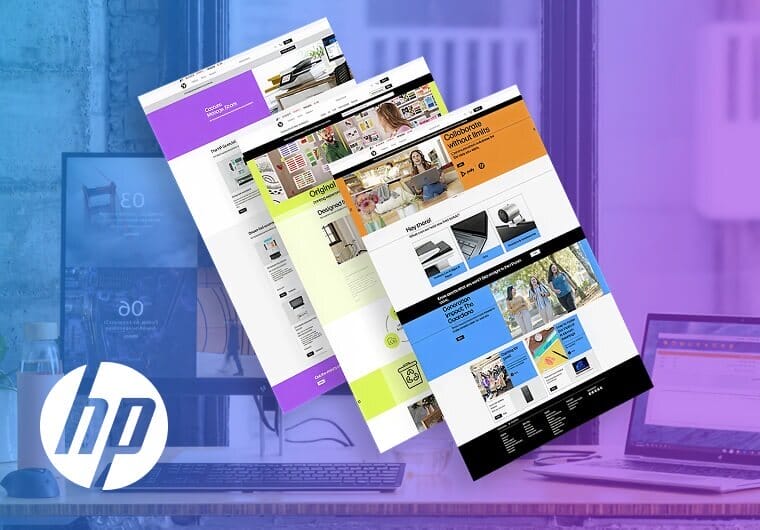
Customer Loyalty Portal Design For HP
HP needed a way to run a global rewards program across a sprawling network of retail and online stores.
Our team built a custom portal where customers could submit proof of purchase, track their points and access rewards, paired with a retargeting campaign and automated email flows.
Within six months, the program had 40,000 active members and 56% of customers were buying again.
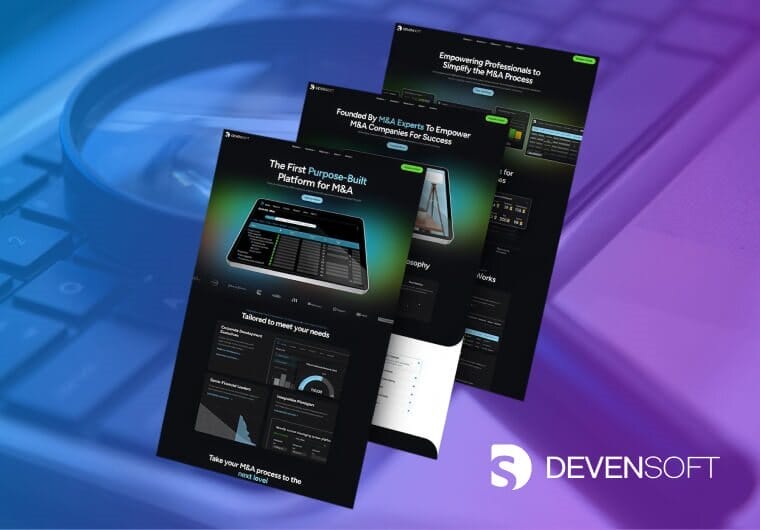
M&A Software Website Redesign For Devensoft
Devensoft came to us needing a tech web design that matched the sophistication of their M&A software, with clear messaging, stronger UX and a real path to conversion.
The old site was losing visitors before they ever reached a form.
We redesigned it from the ground up, and within a year, active users grew by 45.9%, with engaged sessions up nearly 47%.
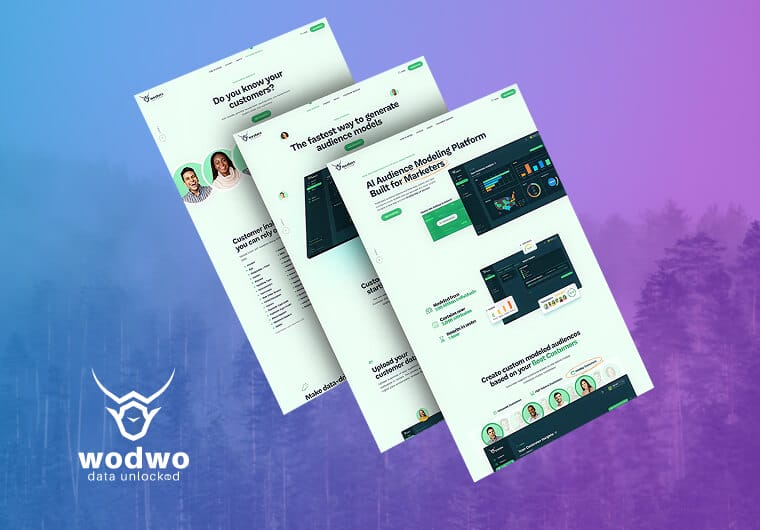
Wodwo’s AI Modeling Platform Web Design
Wodwo’s tech web design needed to do something most sites fail at – explain a complex AI product quickly to a technical audience.
We handled both brand strategy and web design, building a site with interactive elements, live data dashboards and a built-in chatbot that walks high-value prospects through the product without losing them along the way.
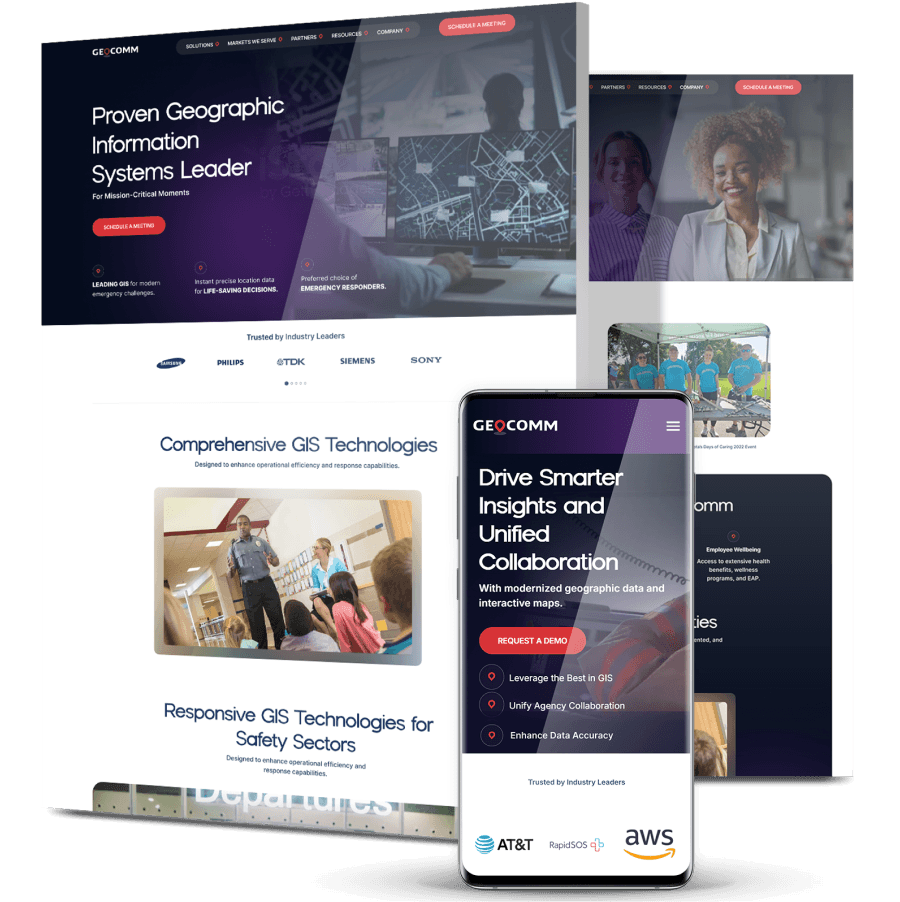
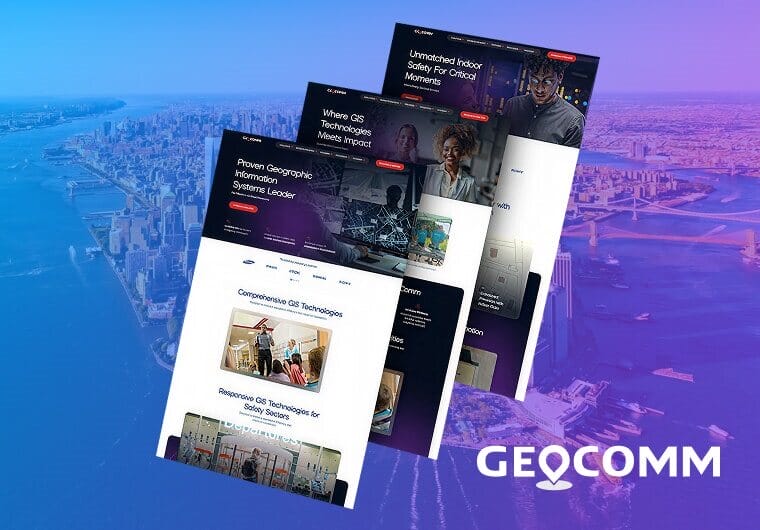
Designing a Site That Matches GeoComm’s Authority
GeoComm provides advanced GIS solutions for 9-1-1 centers and emergency response teams.
We restructured the entire site around how visitors actually think, not how GeoComm’s services are internally categorized. Complex public safety and GIS concepts got clearer, sharper messaging without losing technical credibility.
Now, the right people can get to the right information fast, making GeoComm’s authority in the public safety space impossible to miss.
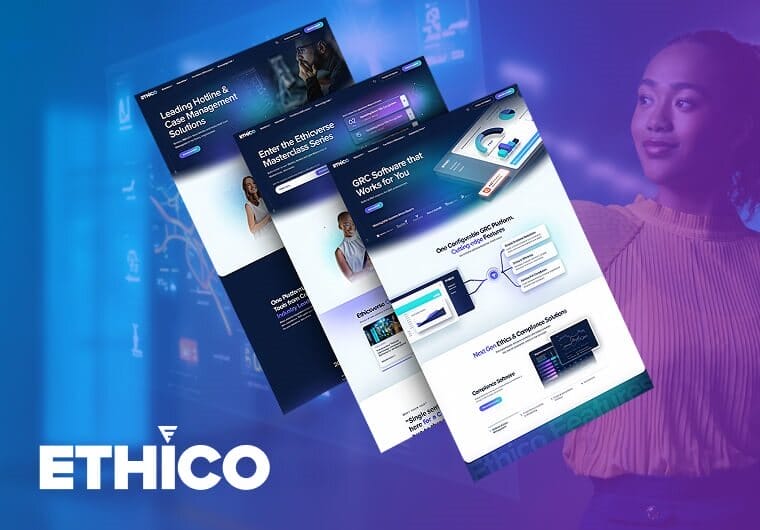
A Compliance Platform Website Built For Ethico
Ethico’s product is comprehensive, with case management, whistleblower reporting, sanctions monitoring, conflict of interest tools and analytics.
We added a cleaner navigation, a sharper value proposition and a structure that lets visitors find what they need without digging.
Client stories and resources like masterclasses and case studies got real estate in the right places, not tucked away in a footer.
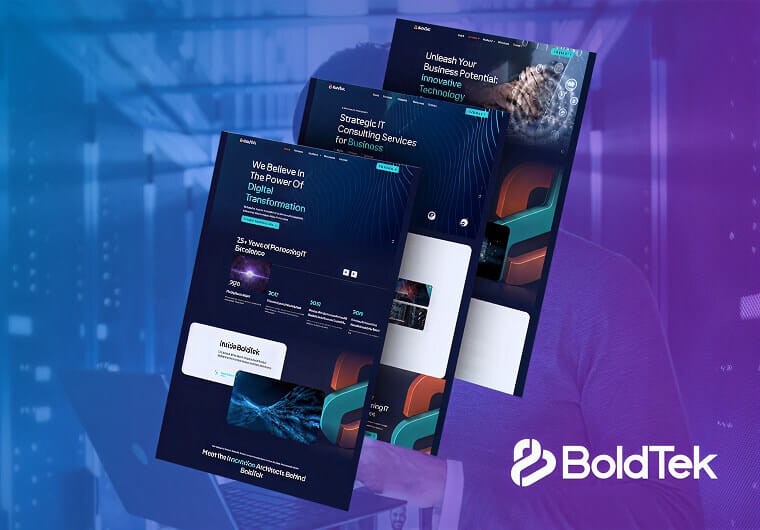
BoldTek’s IT Services Website Redesign
BoldTek’s old site wasn’t generating leads because the messaging was unclear, the design was dated and updates were slow.
Our tech web design work for BoldTek covered a full redesign, a new brand strategy including a refreshed logo and brand book and an improved conversion funnel.
Total users went up 467.9%, engaged sessions up 359% and average engagement time up nearly 47% compared to the same period the previous year.
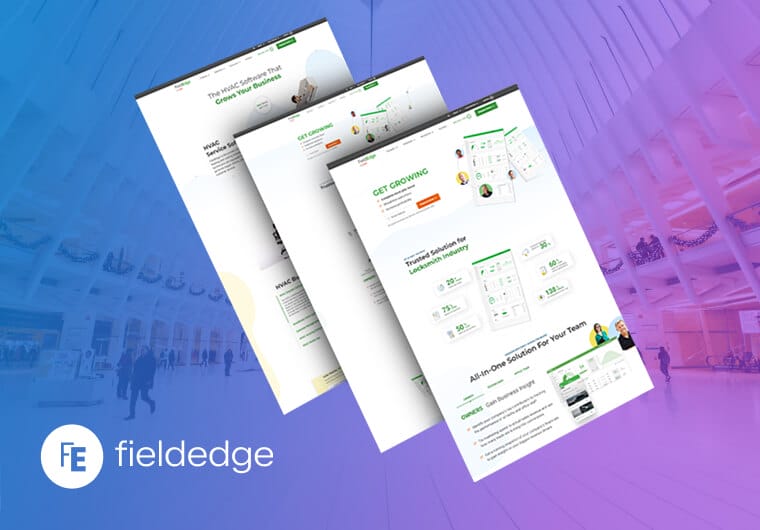
Field Service Management Web Design For FieldEdge
FieldEdge is a good example of what strong tech web design can accomplish for a software company in a crowded market.
We rebuilt it with conversion-focused UX, human-centric visuals and full SEO optimization.
Shortly after launch, organic traffic climbed 19%, page speed improved by 41% and load time dropped by half.
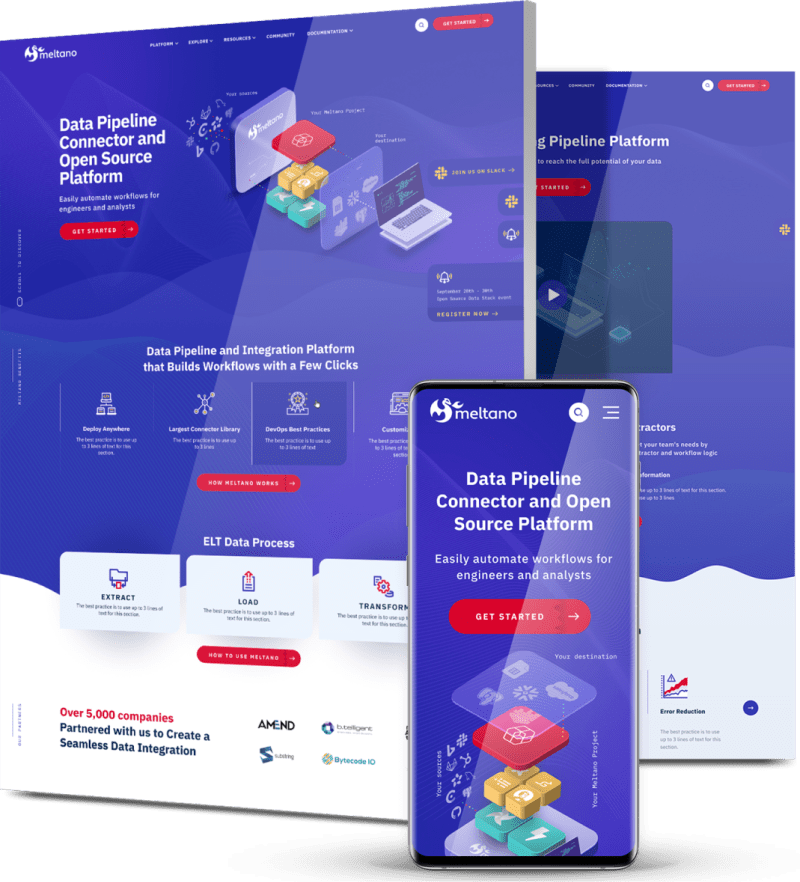
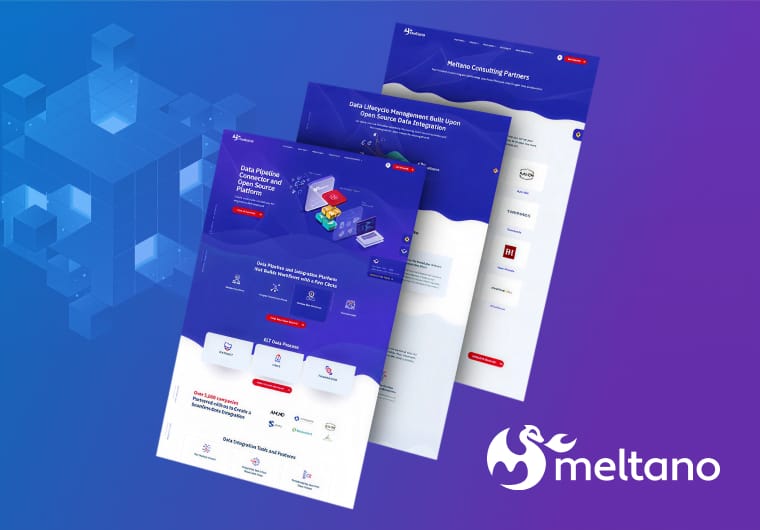
Meltano’s Data Ops Platform Web Design
Meltano’s platform is built for developers and data engineers, i.e., a technical audience that has little patience for cluttered navigation or vague messaging.
We simplified the conversion funnel, tightened the user journey and designed a clean, dark mode experience that feels native to the world their users work in.
The result is a site that guides B2B buyers through the product without getting in their way.


Before & After Tech
Web Design Examples


Tech Web Design Services

We build custom tech web design projects from the ground up, all designed to reflect your brand and move your buyers closer to a decision.
Explore custom website design services.
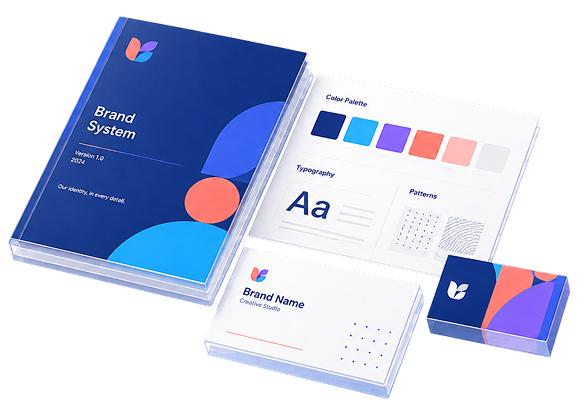

Our team creates tech websites that deliver a consistent, polished experience across every screen, with layouts, interactions and load times that reflect the quality of your product.
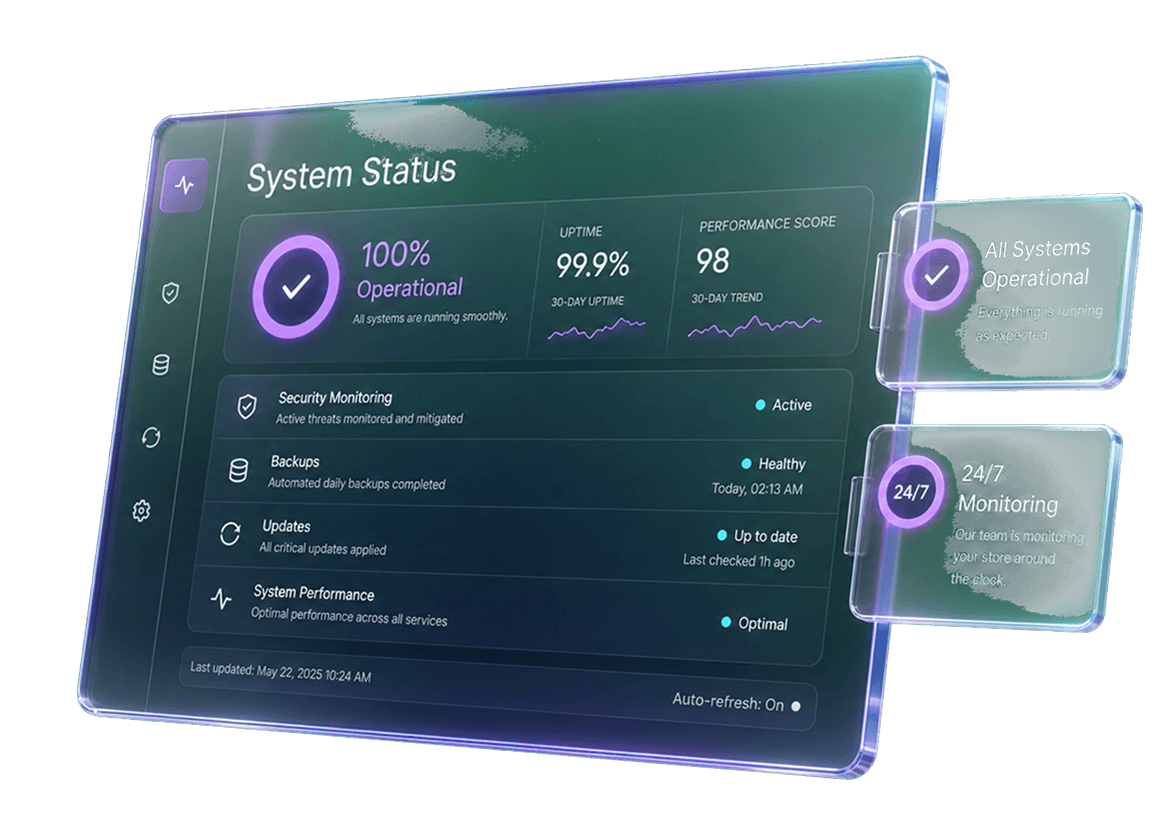

We design interfaces that guide users easily to where you want them to go.
Explore our UI/UX Web Design Services.
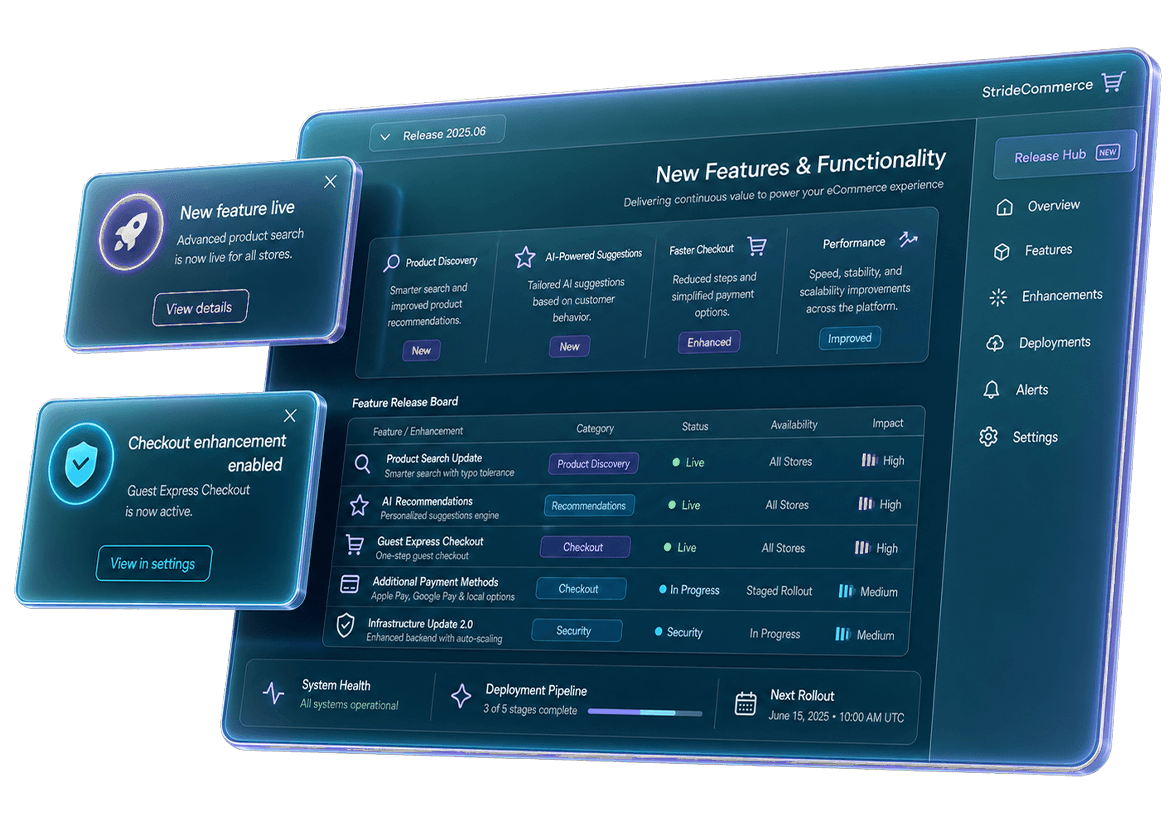

Traffic drops, conversions slow down or the design starts feeling dated.
We audit your current site, identify what’s holding it back and redesign it with a clear strategy behind every decision. What still works, stays and we replace everything else.
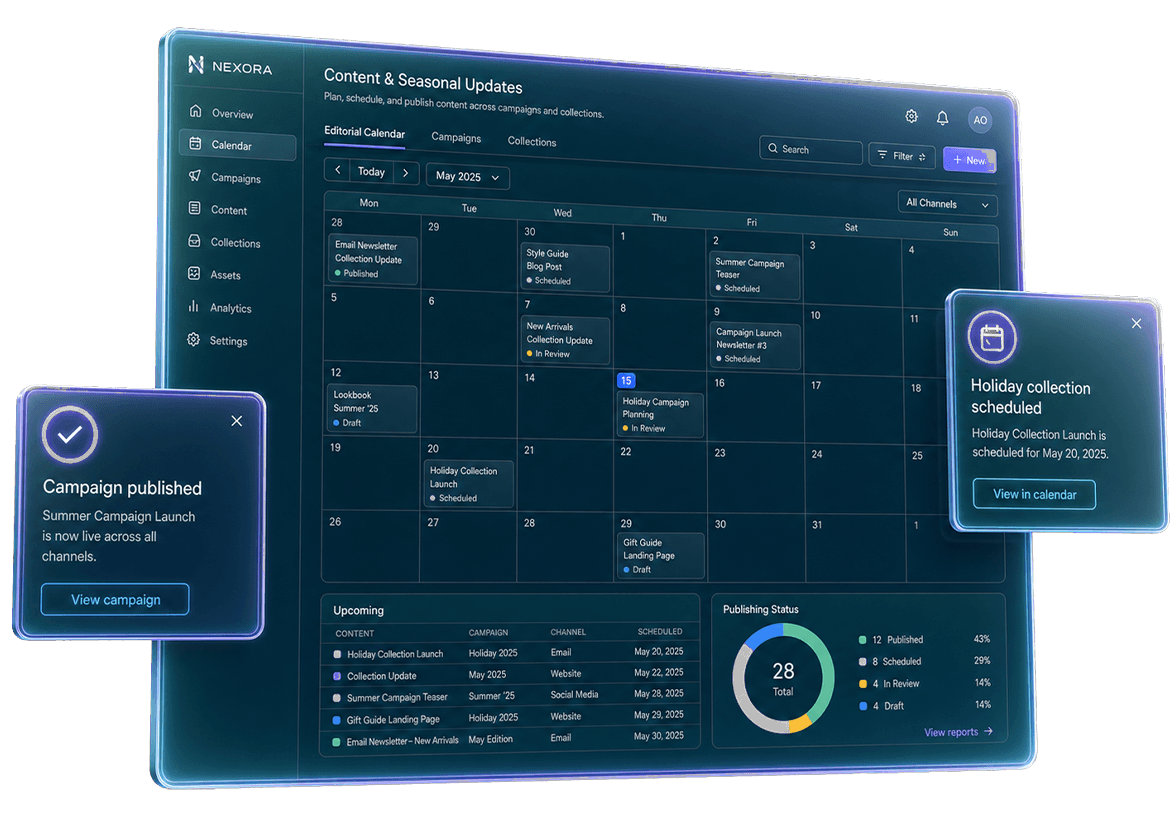

On the back-end, PHP handles the heavy lifting across WordPress and we bring in Go when a project needs more horsepower.
Whatever the tech stack your project calls for, we know it inside and out.
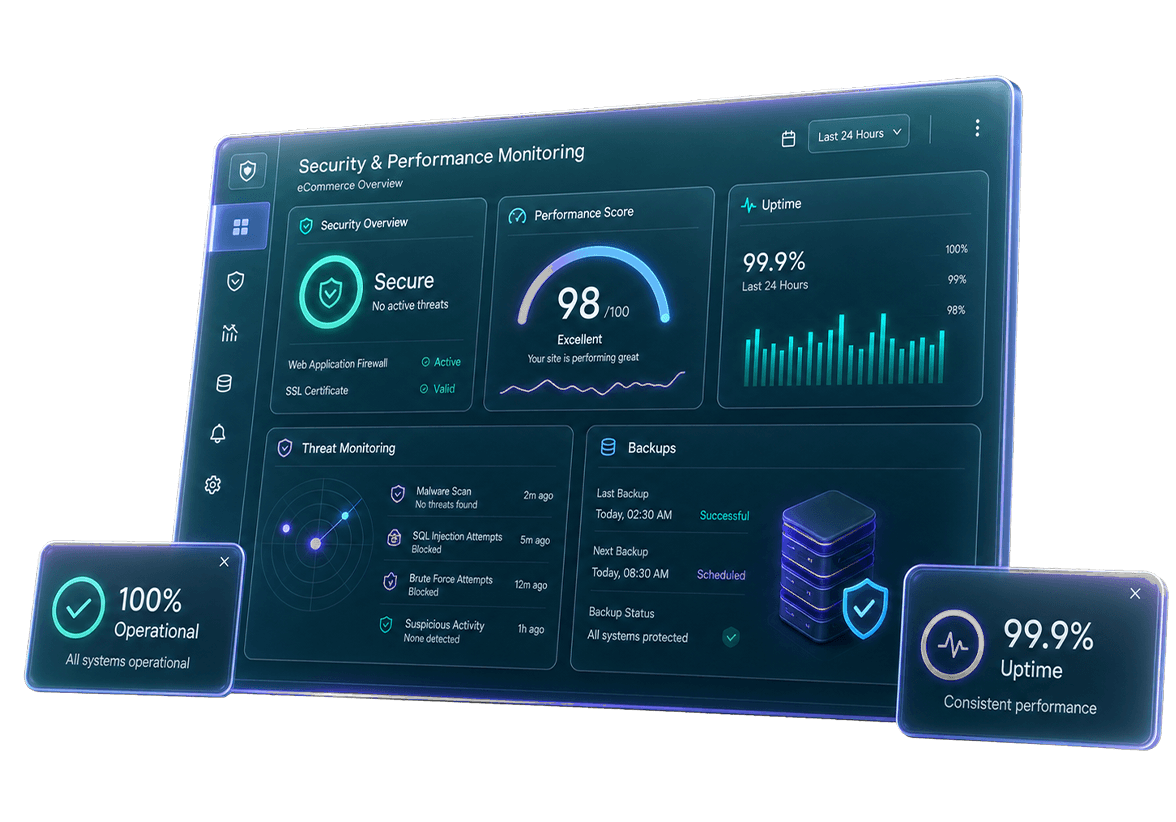

We build on WordPress for content-heavy sites and develop headless architectures where the front end needs to run independently.
If your site needs to pull from a CRM, sync with your existing platforms or push updates through a custom integration, we handle that side of the build, too.
Reliable Technology Web Design
Our tech web design company works with technology companies and
software businesses of all sizes and specialties to drive measurable results.













Digital Silk was the right agency for Amida Technology Solutions website redesign project. The team at Digital Silk was engaged and knowledgeable. The agency was able to delve into the client’s brand identity, promise, and values to develop a contemporary website that authentically represents the brand.

Our Tech Web Design Process
We build our proven process for tech company web design around
strategy, collaboration and delivering results at every stage. Here’s how our tech web design process works from the first brief to long after launch.

The first thing we do is get to know your business inside and out. We do thorough research into your goals, market position and what success looks like for your team.
This is the foundation of every tech website design engagement we take on and we don’t rush it.
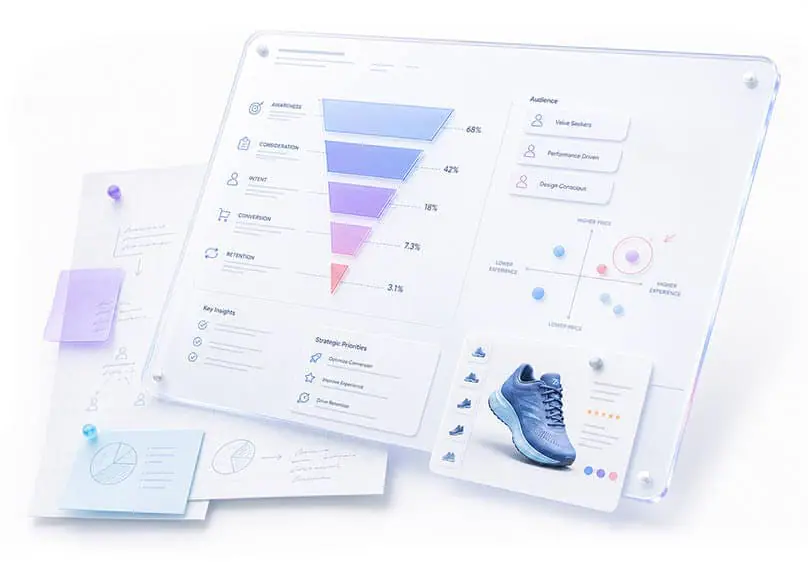

Tech and software products are rarely simple to explain.
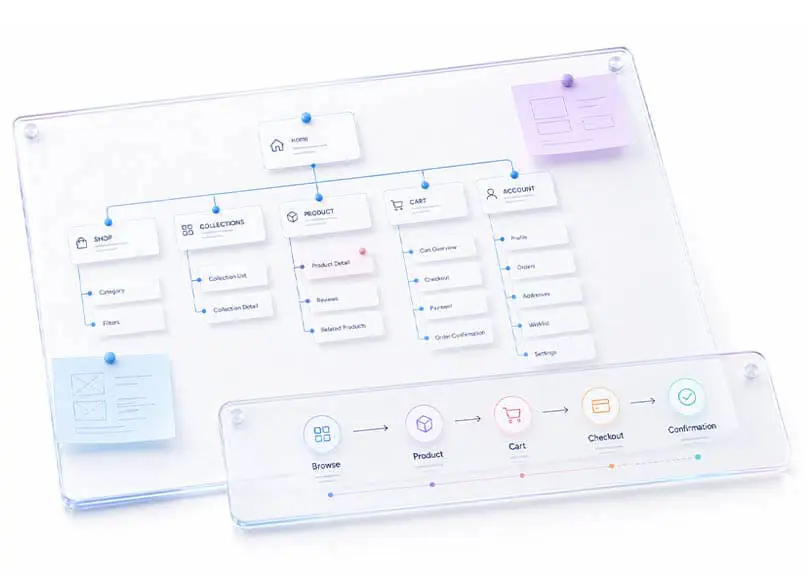
Before anyone starts designing, we map out how the site should be structured, including which pages go where, how visitors move through the experience and where the conversion points live.

On every tech web design project, what the site says matters as much as how it looks, especially when you’re selling complex products to informed buyers.
Our SEO team researches what your audience is actively searching for and shapes the messaging around that.
Every headline, every call to action and every value proposition earns its place on the page.
You see exactly where the site is going before we build anything.
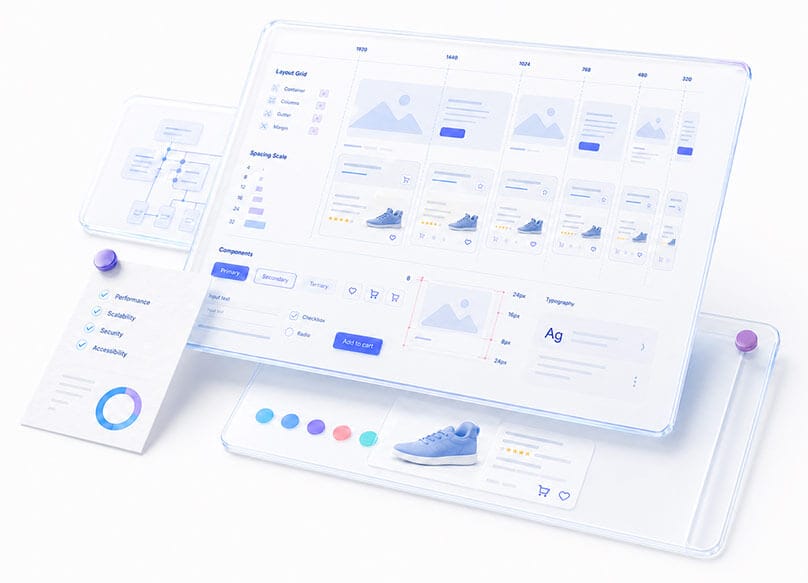
Wireframes give you a clear picture of the layout, the user flow and how your content sits on the page and if something needs to change, this is the right time to do it.
Once you sign off, our designers get to work on desktop and mobile, keeping the project moving without surprises down the line.

This is where we build. Our developers write code that works across every device and browser.
We configure your content management system, connect your existing tools and when we hand it over, your team can manage the site day to day.
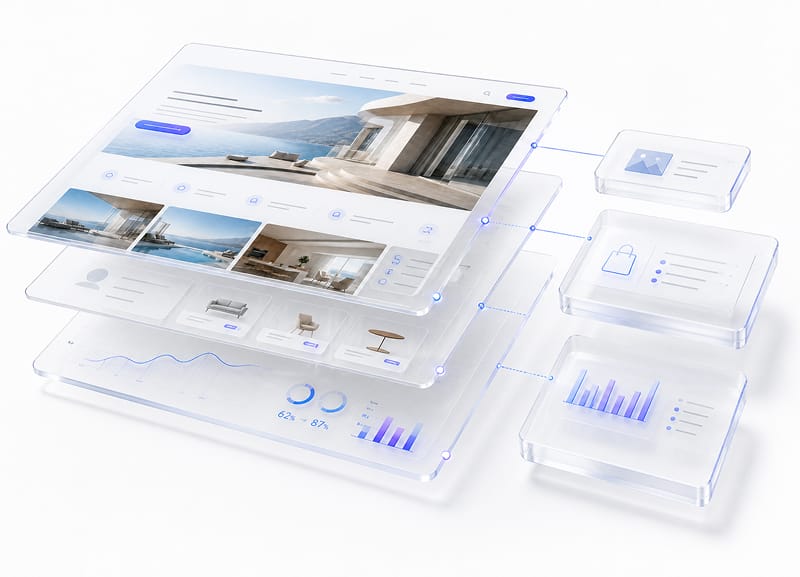

Before launch, we go through the site page by page and test it across different browsers and devices, checking page speed, accessibility and security.
If something isn’t right, we fix it before your prospects ever see it.
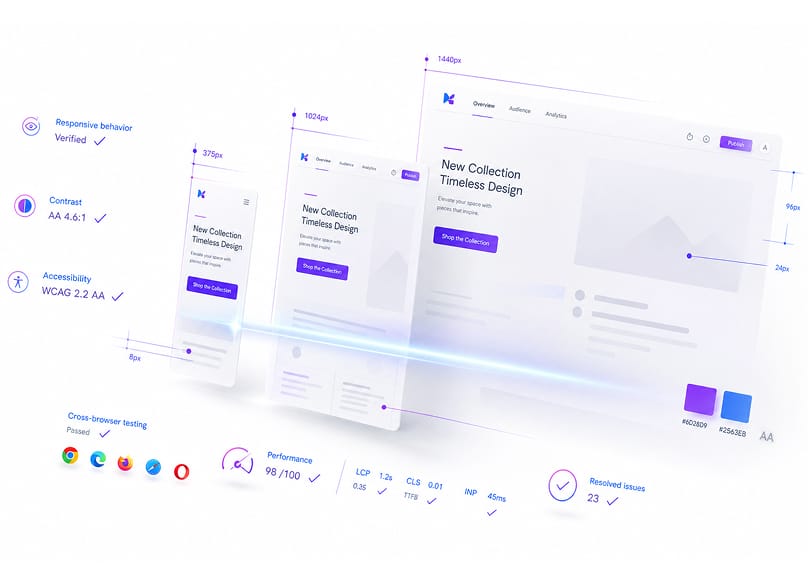

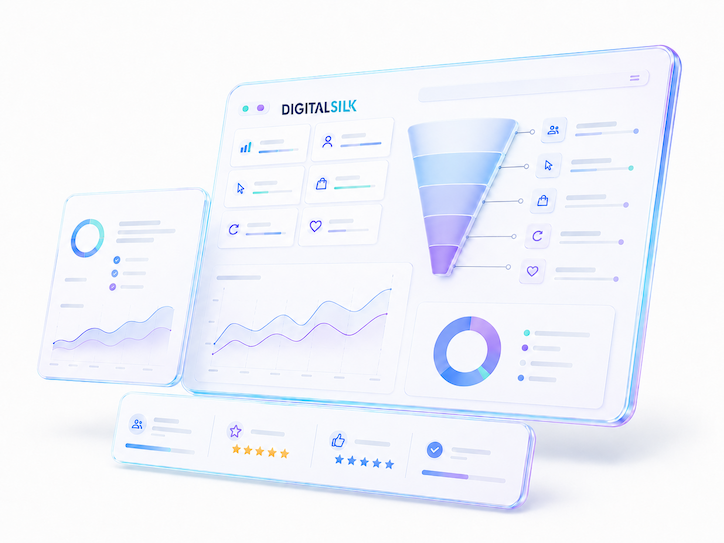
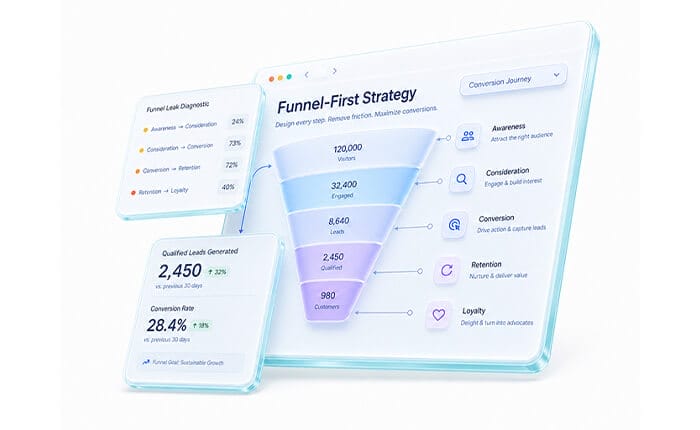
After launch, we track how visitors move through your site, i.e., where they spend time, where they drop off and what converts.
If a page isn’t performing, we go into the data and fix it. That’s how we keep your tech company web design working harder long after launch day.

Speak With Our Tech Website
Design Company
Our team will share expert recommendations and
a custom proposal tailored to your goals.
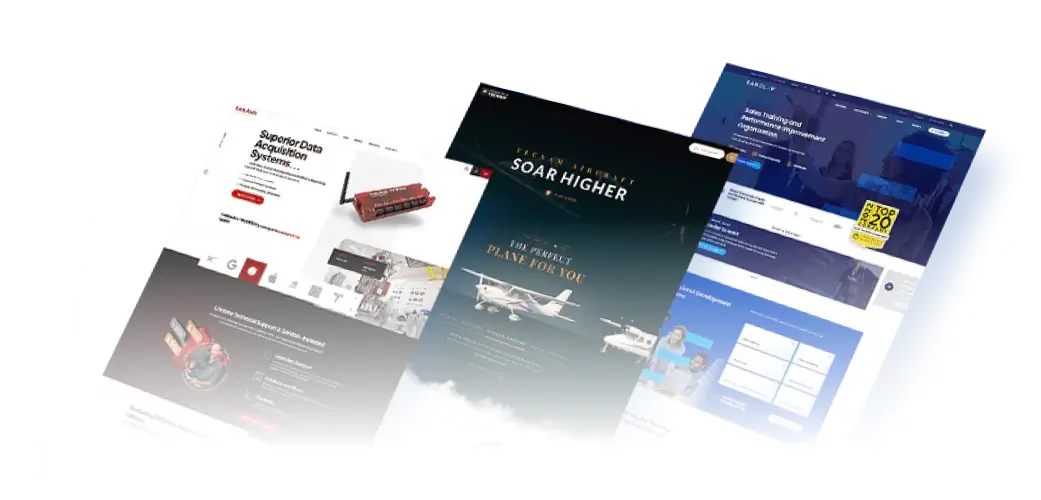
Full-Service Tech Web Design Agency
As a leading tech web design agency, we manage your entire project under one roof to ensure consistent execution and long-term brand credibility.
-
01Custom Branding Strategies
Technology companies often have strong products and weak positioning. We help fix that gap.
We identify what genuinely sets you apart and build a brand presence that gives prospects a real reason to choose you over someone else.
We position your brand in a way that communicates the real advantage prospects get by working with you. Your buyers should understand what you do, why you do it and why choosing you carries less risk than going with a competitor.
Explore our Branding services.
-
02Website Planning & Optimization
Your buyers come to your site with different goals. An enterprise procurement team is evaluating integrations and security, while a startup founder may be looking for speed to market and scalability.
Your site needs to speak to each group and lead them toward the right solution. We take the time to strategize, plan and structure your tech company web design so the right audience finds what they need without friction.
-
03Custom Web Development
Tech and software companies need more than a marketing site.
We build the functionality behind it, i.e., user portals, data dashboards, demo request flows and platform integrations that connect your site to the tools your business runs on.
If your product is complex, your site needs to reflect that without making visitors work to understand it.
Explore our Custom Web Development services.
-
04Technical Content Creation
Writing for technology companies means hitting the right level of detail. If you’re too technical, you risk losing the buyer.
But if you’re too vague, you’ll lose their trust.
Our team finds that balance and turns complex offerings into copy that decision-makers can read, understand and act on without needing a technical background.
-
05Digital Marketing
Good tech web design needs traffic behind it.
Our team builds digital marketing strategies that bring the right people to your site through SEO, paid media and social and connects each channel to the pages, case studies and conversion paths that move them forward.
That’s how good tech website design and strong digital marketing work together.
Explore our Digital Marketing services.
-
06Support & Optimization
Your site going live is the start of the work, not the end of it.
We stay involved to ensure your site performs without a glitch, maintain its accessibility, implement security features and create new features as your product evolves and your business grows.


Experience Premium Tech Web Design With Us
Our team has worked through all of it across B2B platforms, data ops tools, compliance software and more.
We know how to present what you do in a way that earns trust and moves people forward.
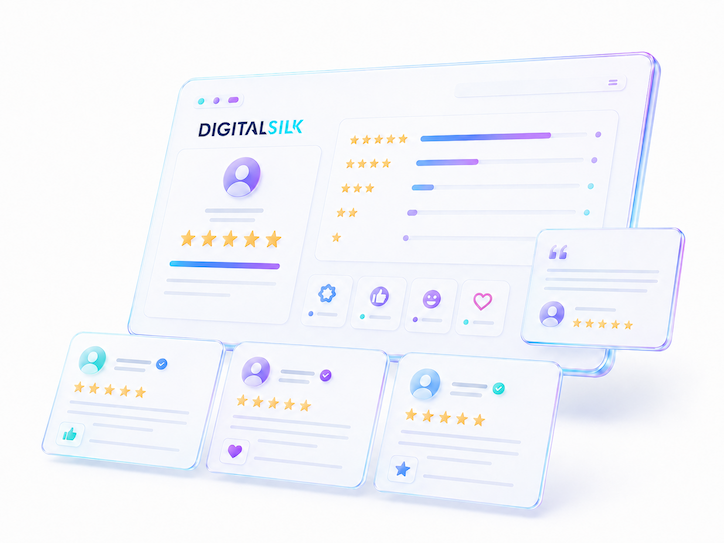
Clients on Clutch and DesignRush keep coming back to the same things and that’s our sharp work, clear communication and a team that understands their business:
“The team at Digital Silk was engaged and knowledgeable. The agency was able to delve into the client’s brand identity, promise, and values to develop a contemporary website that authentically represents the brand.” Anesa Basic, Director of Marketing at Amida Technology Solutions
You don’t have to manage all of that yourself.
We assign a dedicated team to your project and stay involved from strategy through to post-launch. We make every decision with your goals in mind.
That means researching your competitors, identifying where the gaps are and figuring out how your technology company web design can own a position in your space.
The site we build reflects that. It’s not just about a good-looking design, but about a strategic asset that supports long-term growth.
Recognized Tech Web Design Experts













-
Brand Strategy
-
Custom Web Design
-
Marketing Strategy
-
Creative Copywriting
-
Communication Strategy
-
eCommerce Development
-
Social Media Marketing
-
Content Marketing
-
Logo & Graphic Design
-
Mobile App Development
-
Search Engine Optimization
-
Influencer Marketing
-
UI & UX Design
-
Software & AI Development
-
Paid Media Marketing
-
Affiliate Marketing
-
Package Design
-
ERP Portal Integration
-
Email Marketing
-
B2B Direct Marketing
Software & Tech Web Design FAQs
What makes tech website design different from regular web design?
Technology and software companies face challenges that most other industries don’t.
Your buyers are informed and skeptical, the sales cycle is longer and your product often can’t be shown the way a physical product can.
A site that works for a retail brand or a law firm won’t work for a software company because the messaging architecture, the conversion paths and the way trust gets built are fundamentally different.
As a premium tech website design company, we design specifically around how tech buyers evaluate and make decisions.
How do you present complex software products without overwhelming visitors?
This is something we think about on every tech project we take on.
The answer isn’t to simplify until the product loses its meaning but to sequence information the right way.
Someone at the top of the funnel needs to understand the value quickly. Someone deeper in the funnel needs the detail.
We build sites that serve both without making either feel like they landed on the wrong page.
Can you integrate our site with our existing tools and platforms?
Yes. Most tech and software companies use a mix of tools, like product databases, analytics platforms, customer portals, marketing automation and third-party APIs.
We plan all needed integrations early so we don’t miss anything before development begins.
If your site needs to talk to other systems, we build that in properly from the start.
Do you have experience with both B2B software companies and consumer tech brands?
We’ve worked with both types of brands.
The B2B side includes creating field service software, data ops platforms, AI products and compliance tools.
On the consumer tech side, we’ve worked with electronics brands and tech-adjacent products.
The strategic approach differs between the two, because B2B sites need to support longer buying journeys while consumer tech needs to move people faster.
How do you approach SEO for technology company websites?
SEO goes into the project from day one, not after the build is done.
That means site architecture, URL structure, page speed, metadata and internal linking are all planned alongside the design.
When it comes to web design for technology companies specifically, we also think carefully about how technical content gets structured, making sure that buyers who are searching for solutions can find it and not just people who already know your product name.
What should a technology company website include?
A technology company website should clearly communicate its products, services, capabilities and value proposition. Depending on the business, it may also include product details, use cases, resources, customer information and clear ways to get in touch.
How can a technology website explain a complex product?
A technology website can use clear messaging, structured content, visuals and relevant examples to make complex products easier to understand. Content should focus on the problems the product solves and the value it provides rather than relying on technical terminology alone.
How can technology web design build trust with potential buyers?
Clear messaging, transparent product information, customer stories, case studies, reviews and recognizable trust signals can help establish credibility. A professional and consistent website experience can also reinforce confidence in the brand.
How important is UX for a technology website?
UX is important because technology products can involve complex information and user journeys. Clear navigation, intuitive interactions and well-organized content can make it easier for visitors to understand the offering and find what they need.
How can a technology website support lead generation?
A technology website can support lead generation by clearly communicating its value proposition and making it easy for interested visitors to take the next step. Relevant calls to action, product information and contact or inquiry options can help guide visitors toward conversion.
Can a technology website accommodate a growing product or service offering?
Yes. A technology website can be structured to accommodate new products, features, services and content as the business evolves. A scalable information architecture can make it easier for visitors to navigate an expanding offering.
What makes a good SaaS website design?
A good SaaS website clearly explains the software, the problems it solves and the value it provides. It should make important information easy to find while giving visitors clear paths to explore the product, evaluate its fit and take the next step.
What should a technology company website communicate?
A technology website should quickly explain what the company offers, who it serves and the problems its products or services solve. Clear value propositions and relevant supporting information can help visitors understand the offering without unnecessary complexity.
How can a technology website support longer sales cycles?
A technology website can provide the information buyers need at different stages of their research, from a clear overview of the offering to more detailed product information, use cases and resources. This gives prospects opportunities to learn more as they move closer to a purchasing decision.
How can a technology website simplify the buyer journey?
A technology website can organize product information, use cases, resources and calls to action around the questions buyers have at each stage of their research. This makes it easier for potential customers to evaluate the offering and determine whether it fits their needs.
Digitizing your Business Growth
Start a conversation with us
"*" indicates required fields