
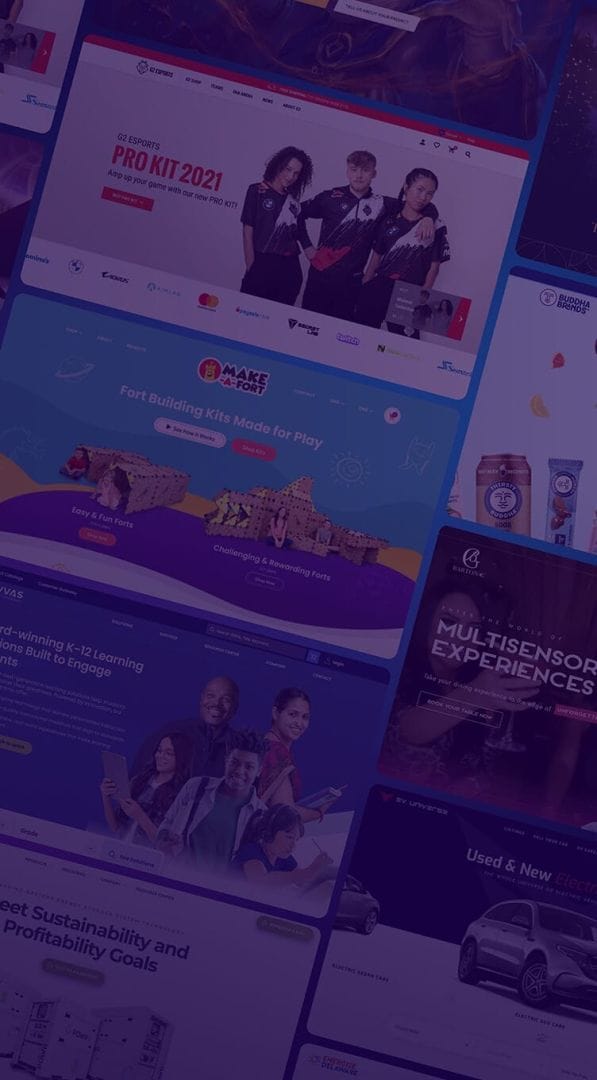
Full-Service
eCommerce Agency
- 730K visitors & $205 AOV for luggage brand Rollink
- 353% more conversions for cable tie manufacturer ZipTie
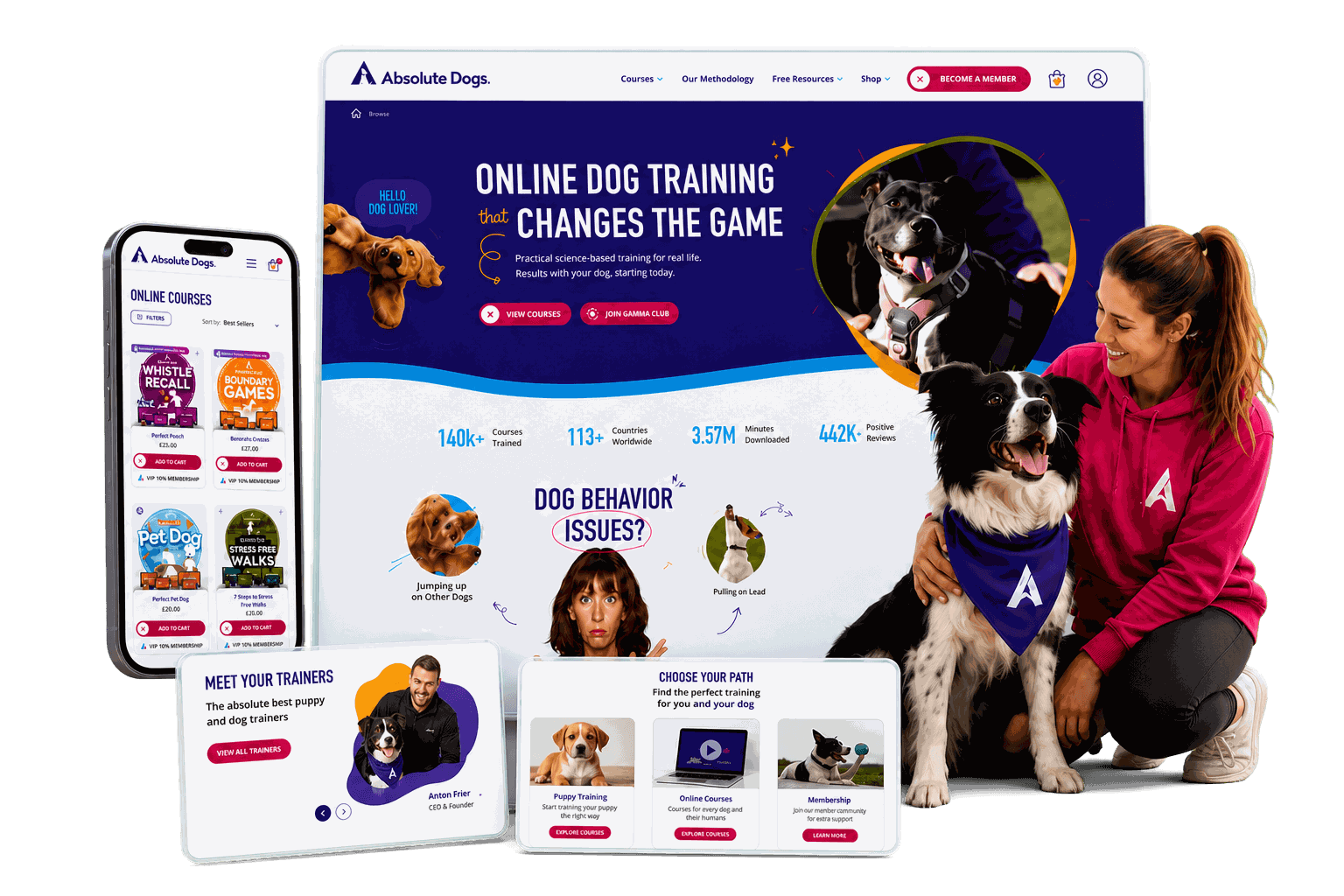
- +35.63% purchases for dog training platform Absolute Dogs
- +80% traffic for yacht uniform brand Smallwood’s Yachtwear
- All numbers client-verified.


"*" indicates required fields









Every Page Planned Around The Sale
- Shopify, Magento & WooCommerce Builds
- Product, Search & Checkout UX
- ERP, Inventory & Payment Integrations
Most purchases are decided on three screens: the category page, the product page and the checkout. We design each one around what shoppers need to see before they buy, such as clear filters, sizes and variants, shipping costs and reviews, so fewer carts are left at checkout.
Behind the storefront, we build on the platform that fits your catalog and your team, whether that’s Shopify, Magento, WooCommerce or a headless setup, and connect it to your ERP, inventory, payment and marketing tools. Your team manages products, pricing and promotions from one admin.

Featured eCommerce Projects
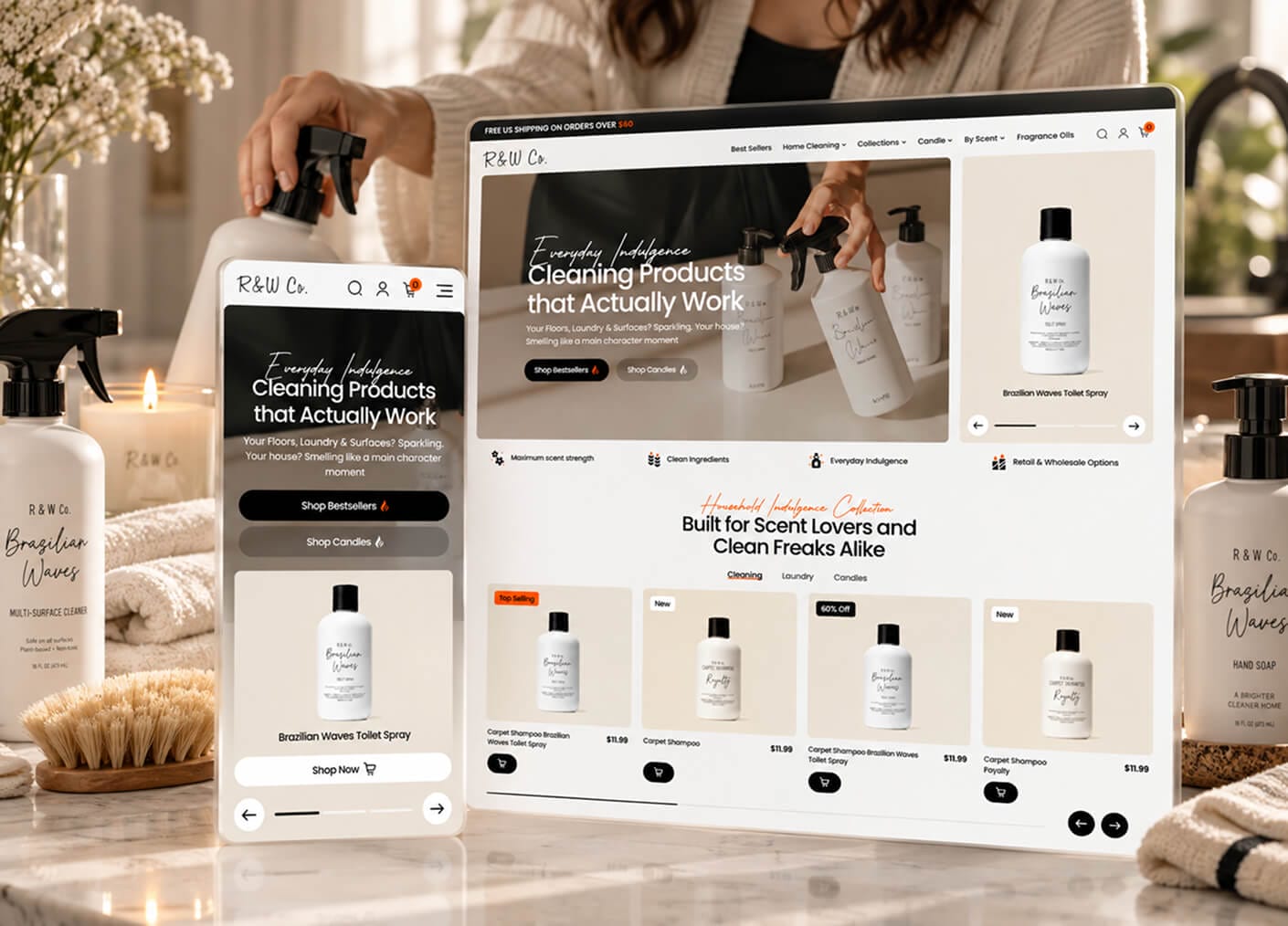
R&W Co. – Six Figures In Sales Within 36 Days Of Launch
R&W Co. sells scented products to shoppers who discover the brand on TikTok and buy from their phones.
Digital Silk moved its store from WooCommerce to Shopify, with stronger product storytelling and a faster path to checkout.
Sales passed six figures within 36 days of launch, with close to 60% more fulfilled orders.
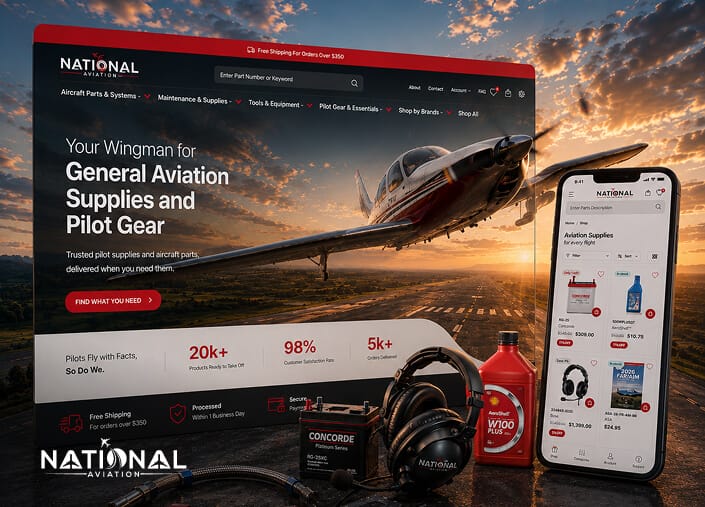
National Aviation – A Shopify Store Built For Aviation Parts Buyers
National Aviation sells aviation parts to buyers who often search by exact part number.
Digital Silk redesigned its Shopify store for both part-number search and category browsing, without breaking its custom inventory logic.
Sessions grew 434.36% compared to the previous period.
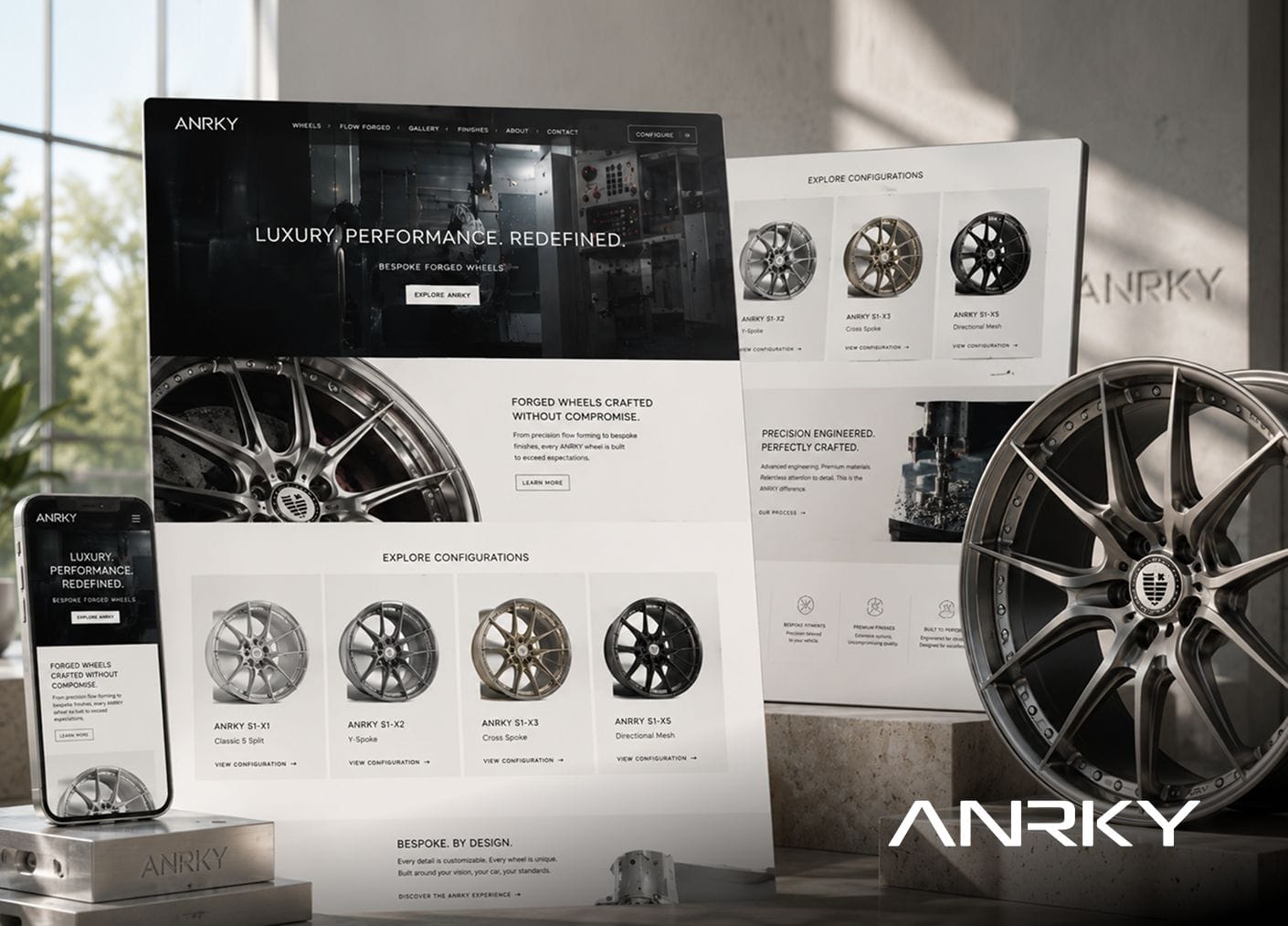
ANRKY Wheels – A Custom Wheel Catalog Turned Into A Luxury Brand Site
ANRKY designs custom forged wheels for exotic and luxury vehicles.
Digital Silk rebuilt the site with a story-driven homepage and a searchable gallery of thousands of vehicle builds.
Organic traffic is up around 40% since launch, and top-3 keyword rankings grew 15x.
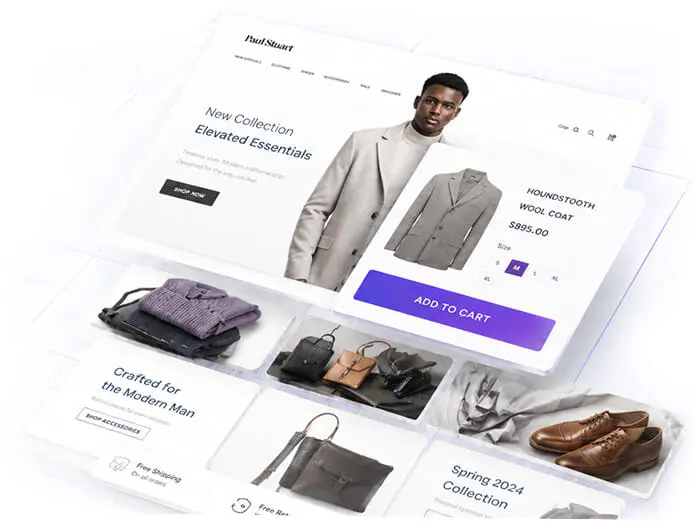
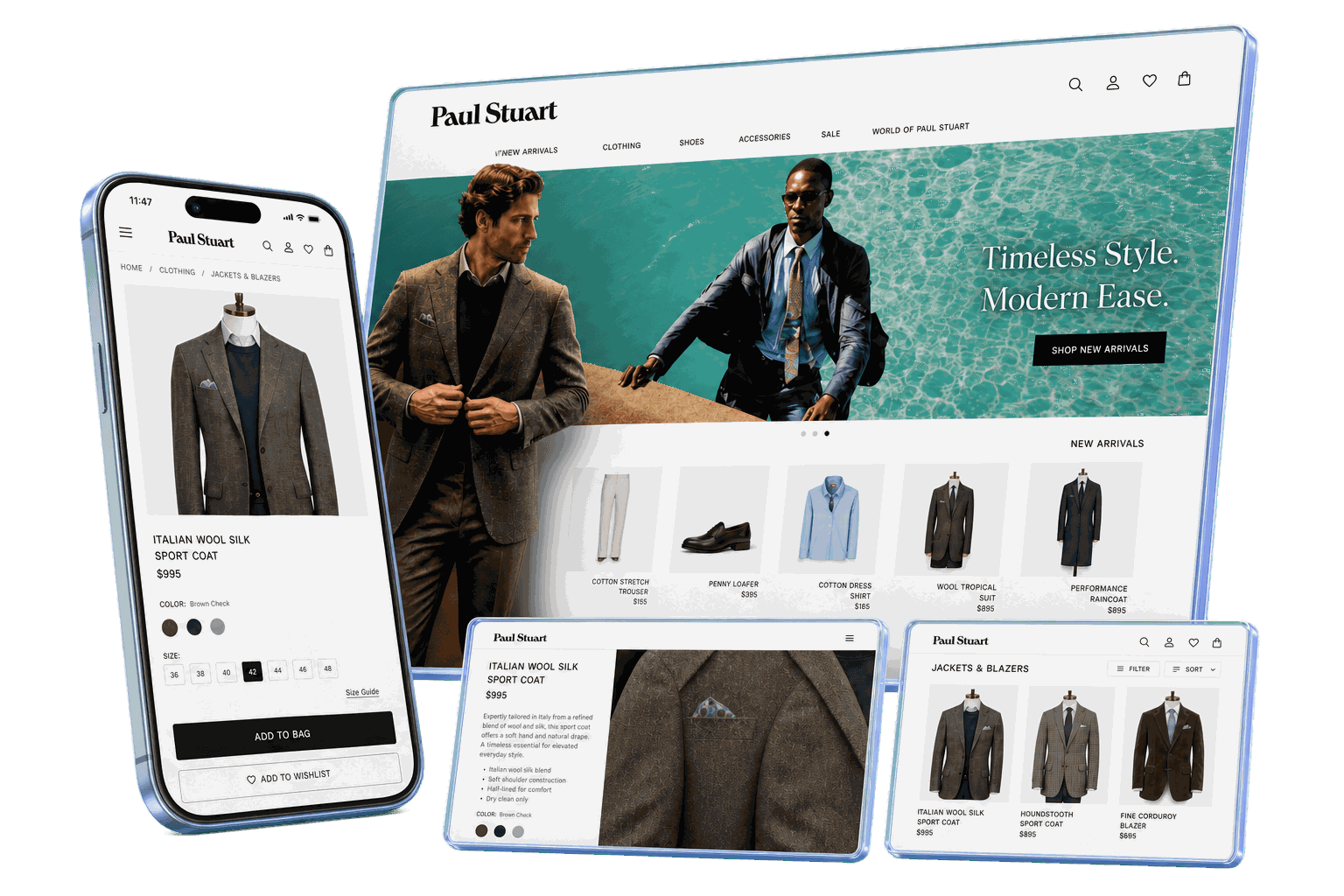
Paul Stuart – Refined Tailoring, Now Matched By A Refined Checkout
Paul Stuart has outfitted American men since 1938, known for suits tailored with the same precision as its custom shirt program.
The shopping experience was rebuilt around clean navigation and a streamlined checkout, letting product photography carry the weight of the brand’s craftsmanship.
Every step from browsing to checkout now reflects the same precision the brand is known for in its tailoring.

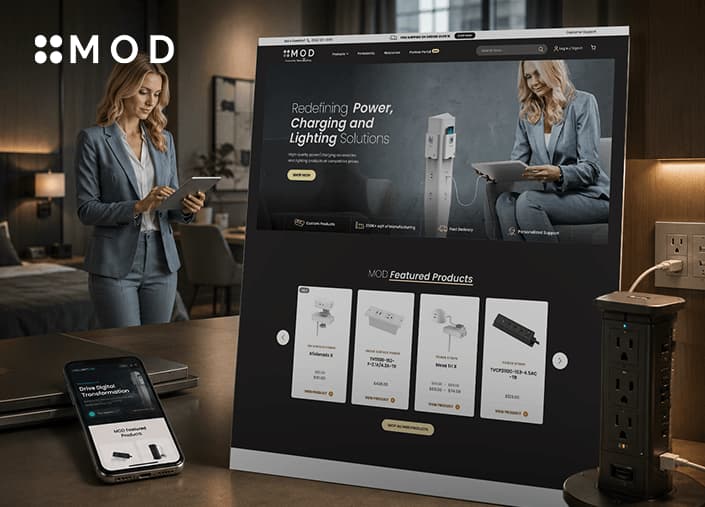
MOD – Turning A Complex B2B Catalog Into A Simple Storefront
MOD, formerly known as National Lighting, has supplied power and lighting solutions to the furniture industry for more than 25 years.
We rebuilt the site architecture and eCommerce integrations from scratch, turning a catalog full of specs and configurations into something buyers could actually browse without calling sales first.
The storefront now guides buyers toward a decision instead of just listing what’s available.
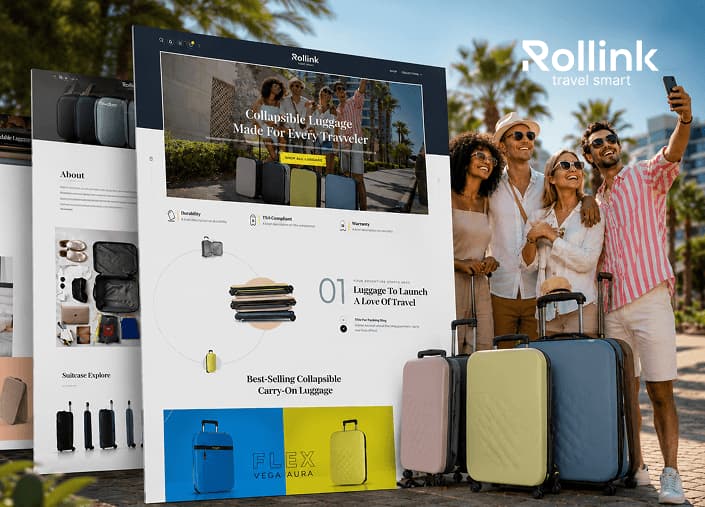
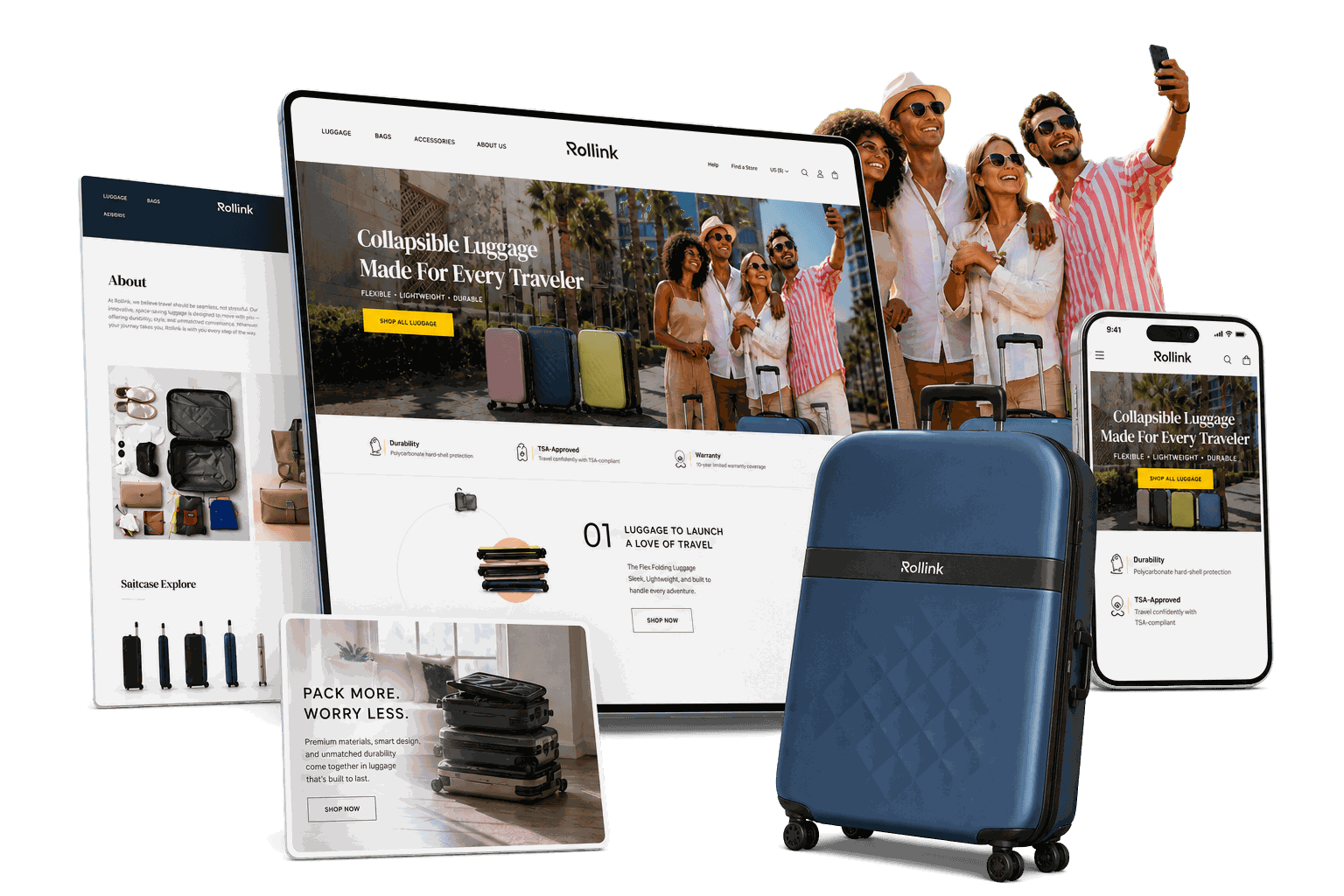
Rollink – Bringing The World’s Slimmest Luggage To U.S. Shoppers
Rollink is known internationally as the maker of the world’s slimmest collapsible luggage, sold across more than 25 countries.
Entering the U.S. market meant building the brand from scratch there: website, positioning, marketing and SEO, with micro-animations showing the product folding down on every page.
Revenue grew fivefold after launch, and the brand reached 700,000 new customers in the process.
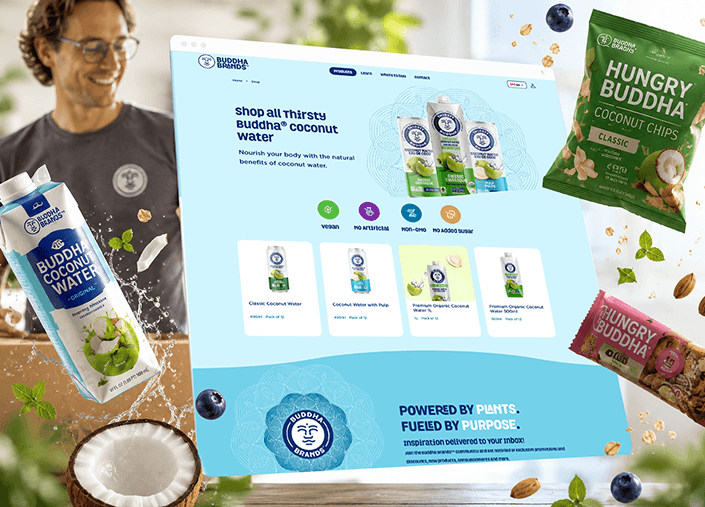
Buddha Brands – A vibrant snack brand, with a functional eCommerce experience
Buddha Brands makes plant-based, vegan-certified snacks sold in major markets across North America.
Digital Silk built a custom eCommerce site where color and layout carry the same personality as the packaging.
Micro-animations give each product page the same vibrancy shoppers already know from stores.
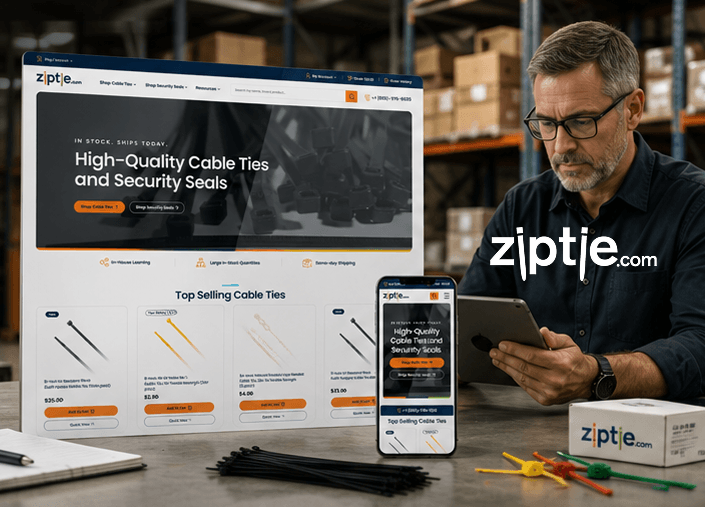
Ziptie – Sharper category pages that turned browsers into buyers
ZipTie sells electrical and industrial supplies, where browsing speed directly affects conversions.
Our team rebuilt category pages for faster navigation and made cart actions instant.
Conversions rose 353%, add-to-cart rose 519%, and abandonment dropped by more than half in 30 days.
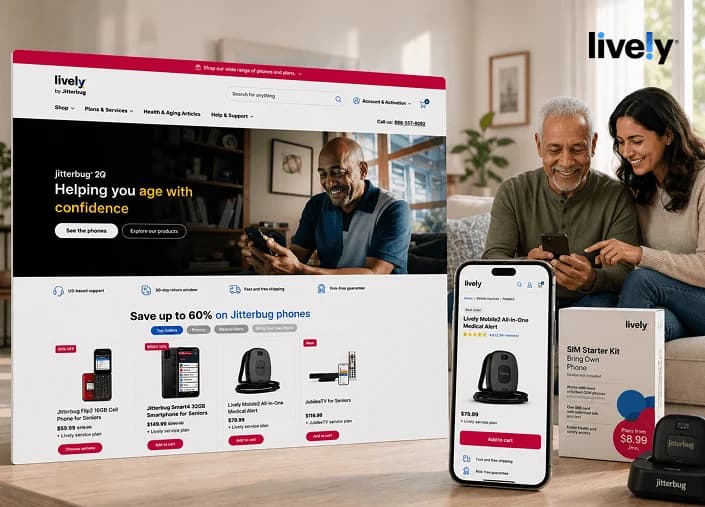
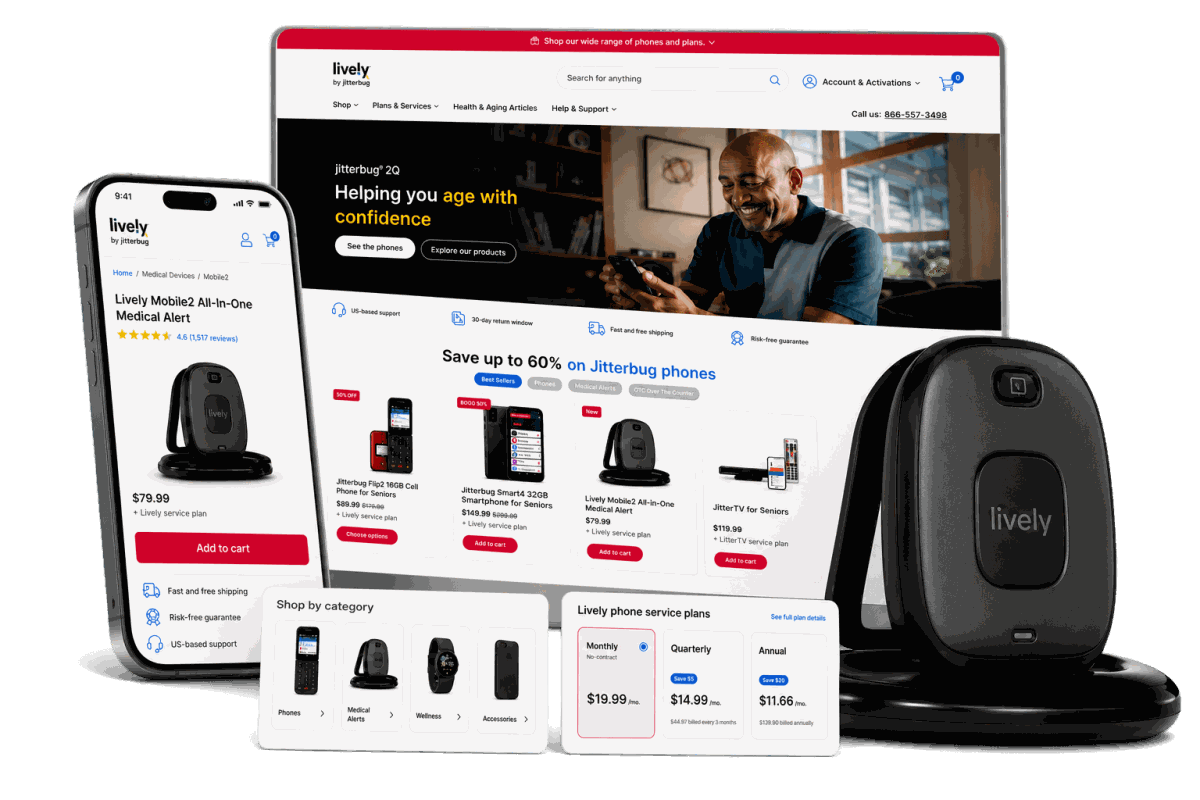
Lively – Designing A Checkout Built For Every Comfort Level
Lively, part of Best Buy Health, sells medical alert devices and senior-friendly phones designed to support independent living.
We rebuilt product discovery and checkout with larger tap targets and simplified layouts, removing friction for customers less familiar with buying online.
Fewer steps and clearer choices mean shoppers get from browsing to a completed purchase without second-guessing themselves.
Digital Silk has put forward top-notch work, from website design concepts to the implementation of our new Shopify website. The team has been very collaborative, timely, and a pleasure to work with throughout the project.

eCommerce Web Design for Brands Ready to Grow








Design & Development
Services for eCommerce
No two online stores are the same. Some need to be built from scratch, others need a platform migration or a full redesign.
Website Design
Templates may get you started faster, but custom designs get you results.
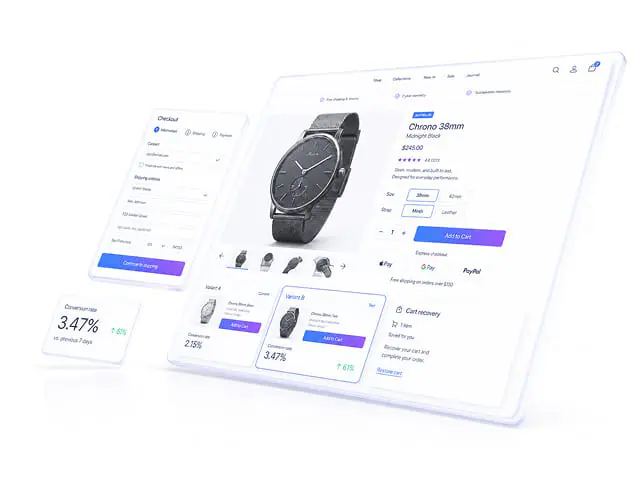
A visit that doesn’t convert is a UX problem, not a traffic problem.
Design
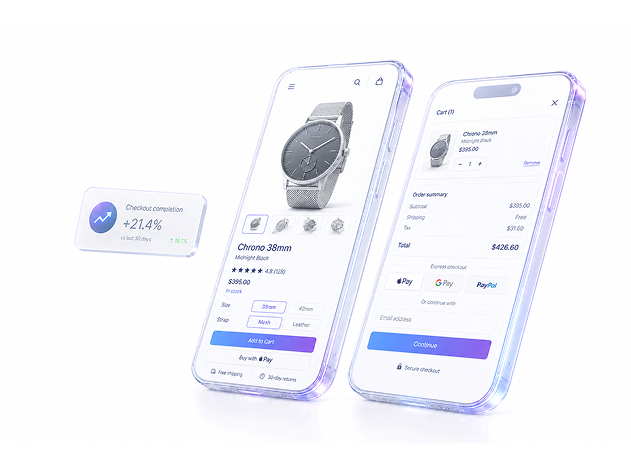
More than half your traffic is probably on a phone, so design decisions start there.
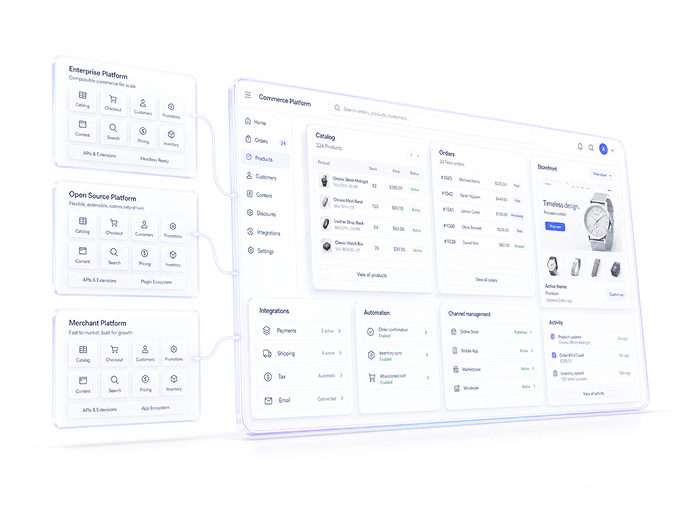
The platform decides what your team can change without calling us, so that choice comes first.
Redesign
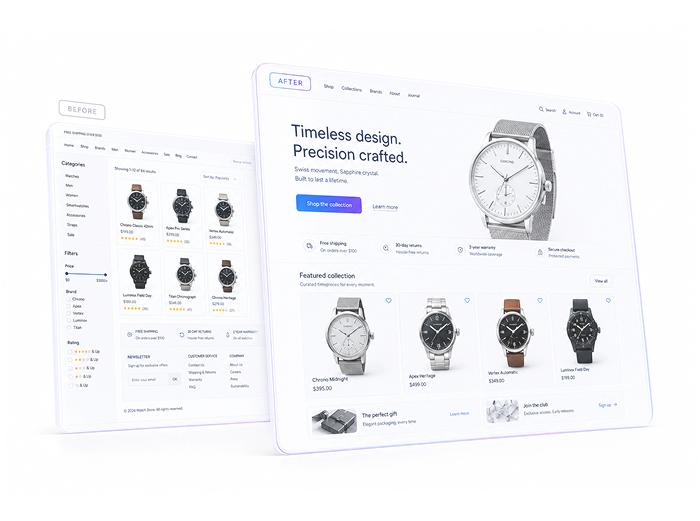
An outdated store doesn’t just look old, it quietly loses sales every day it stays that way.
Featured Redesigns
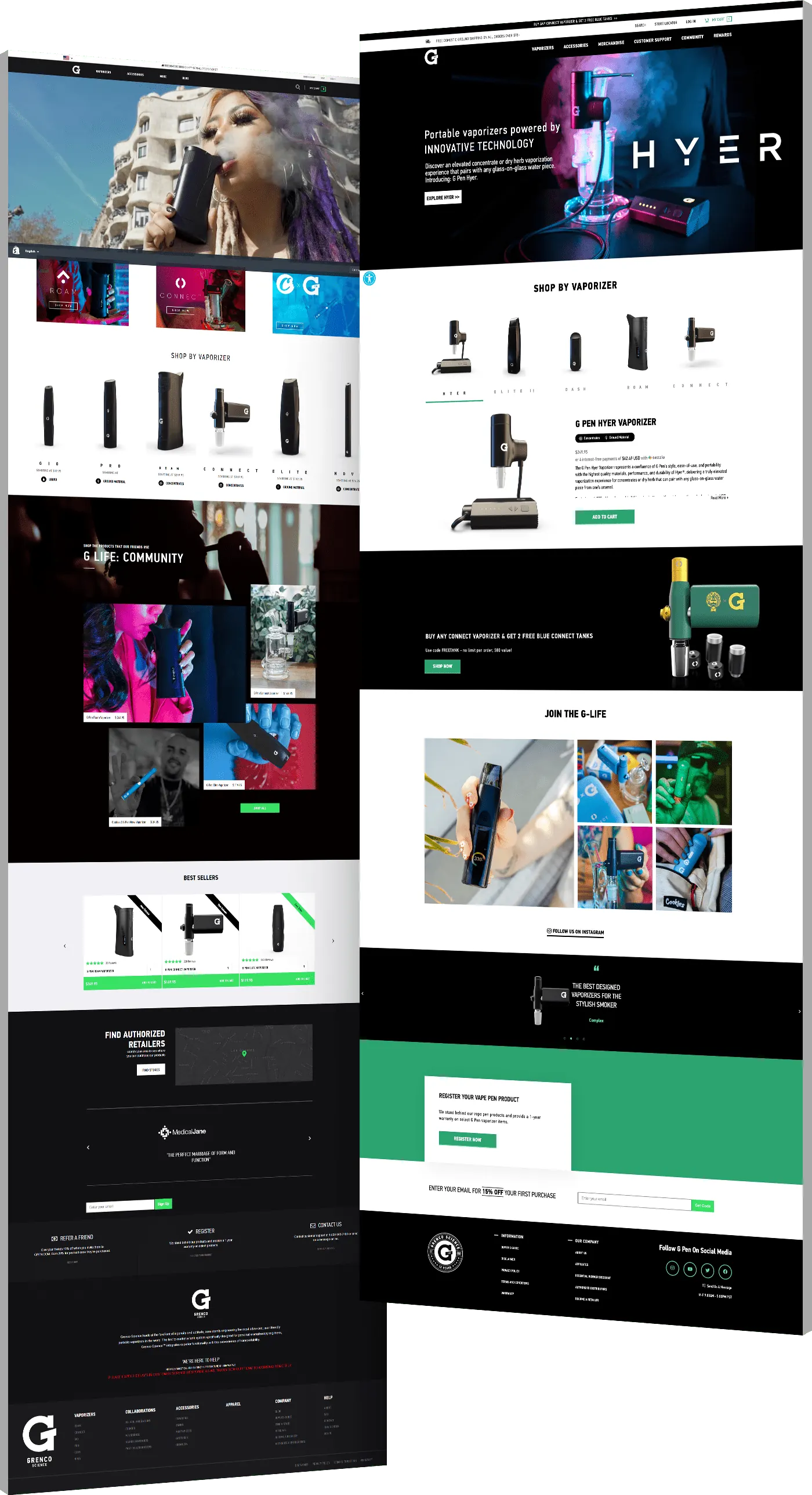
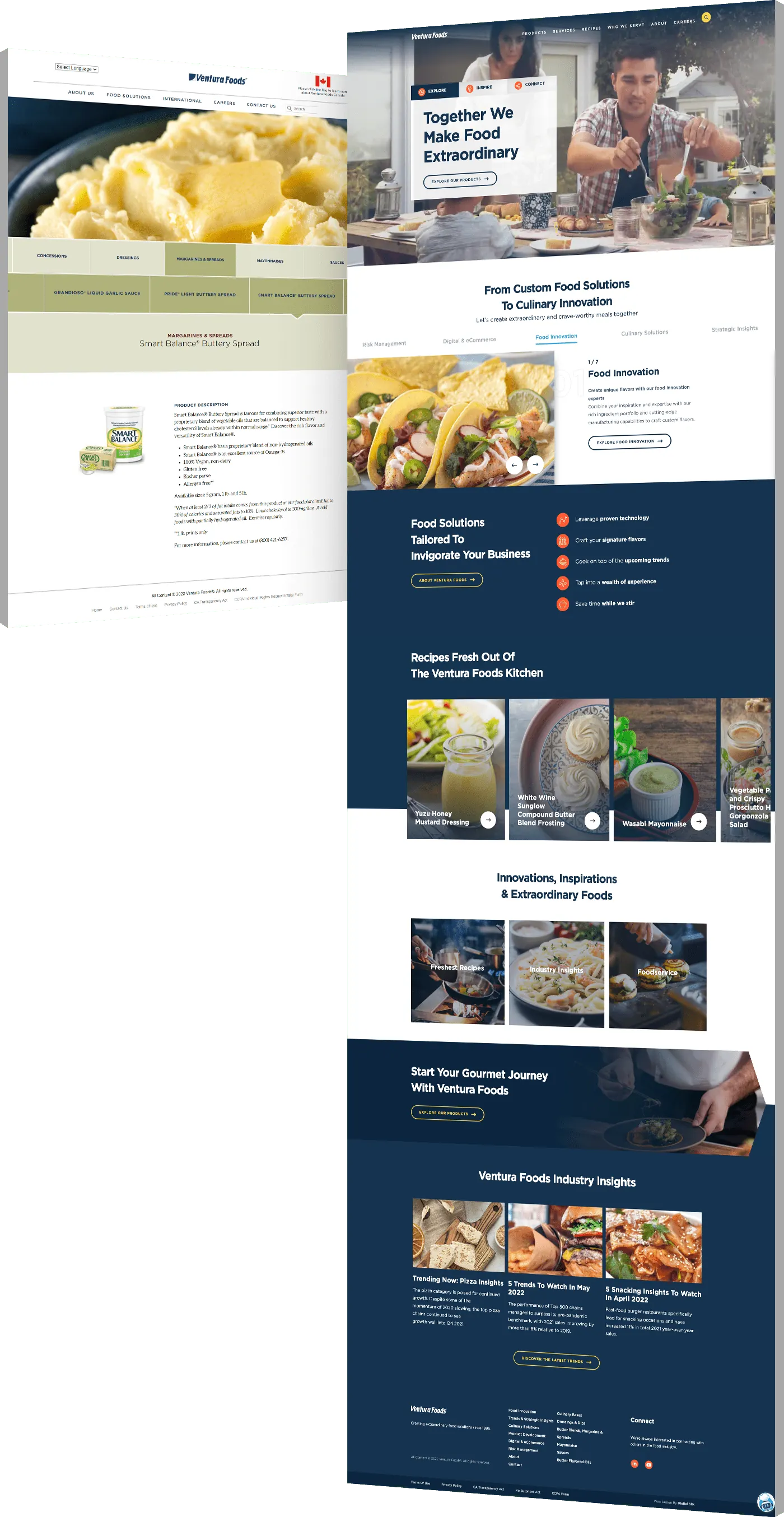
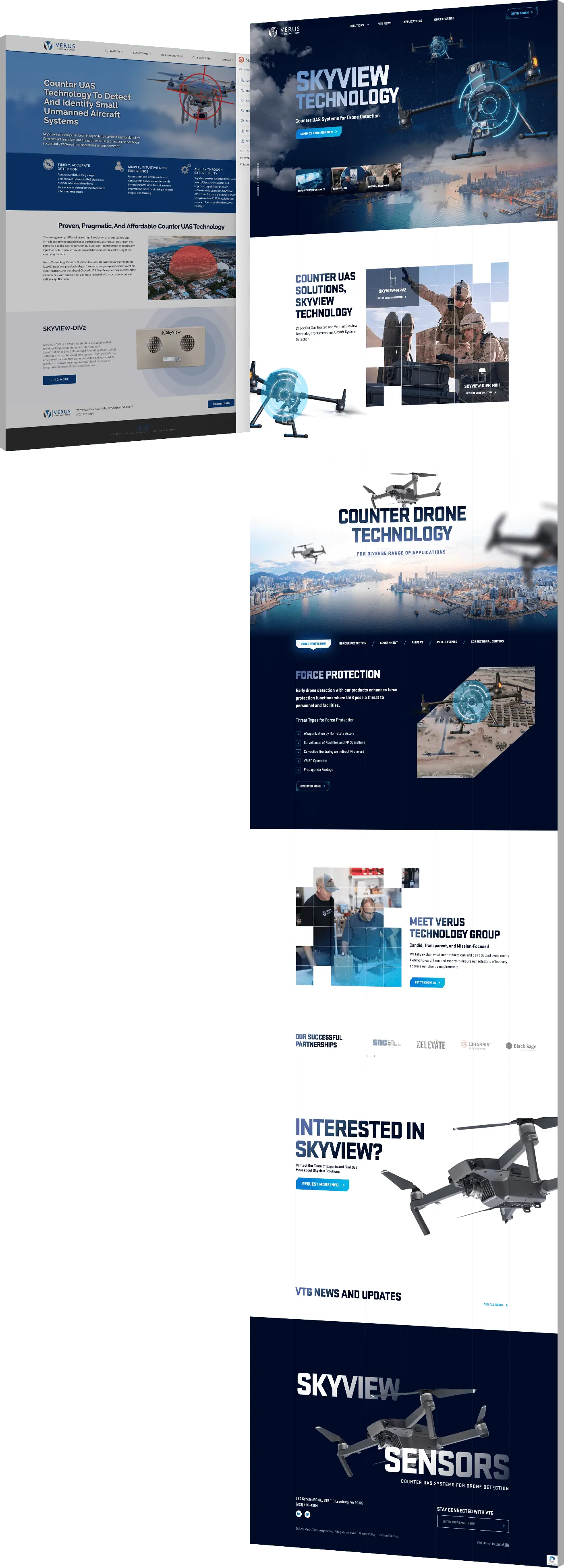
Our eCommerce Case Studies
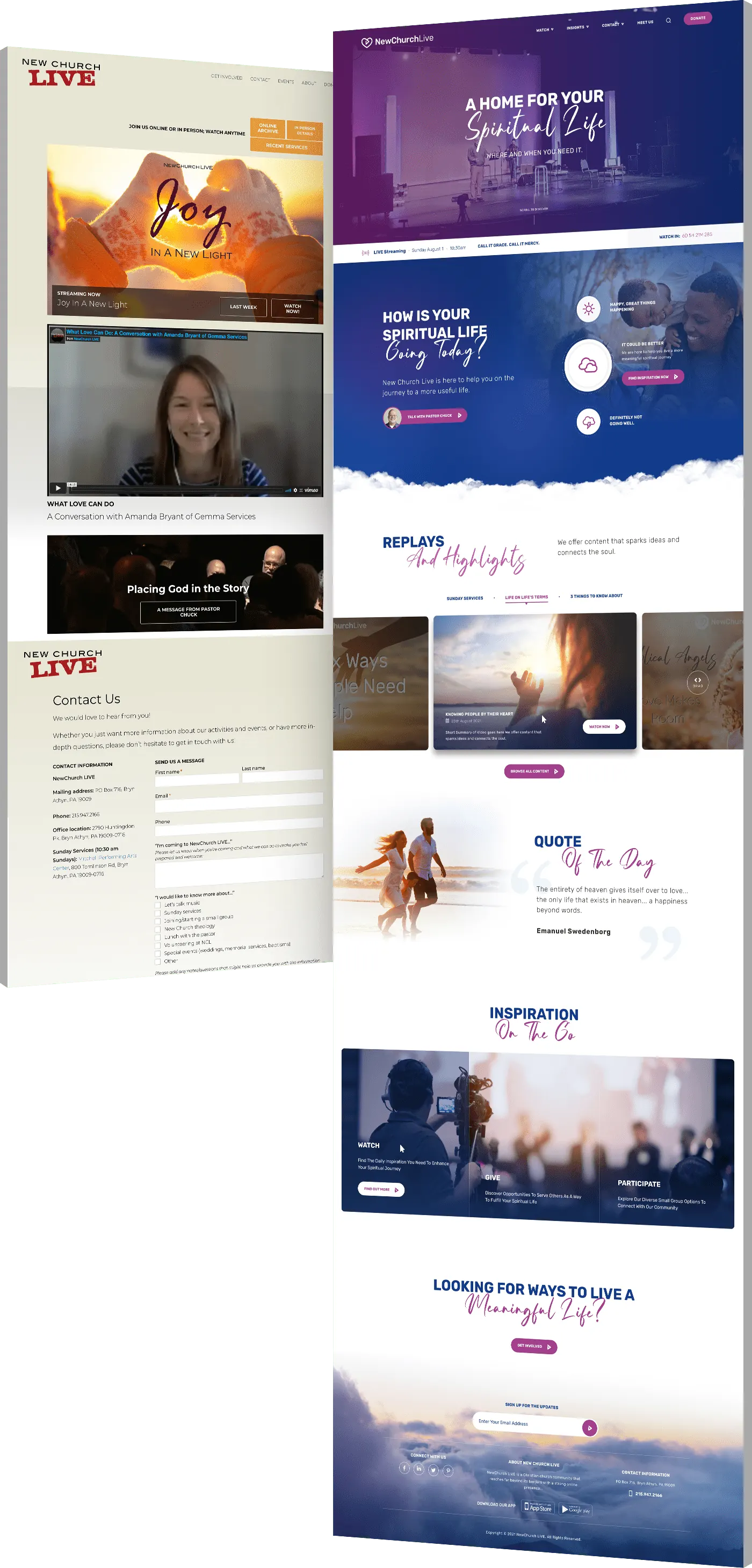
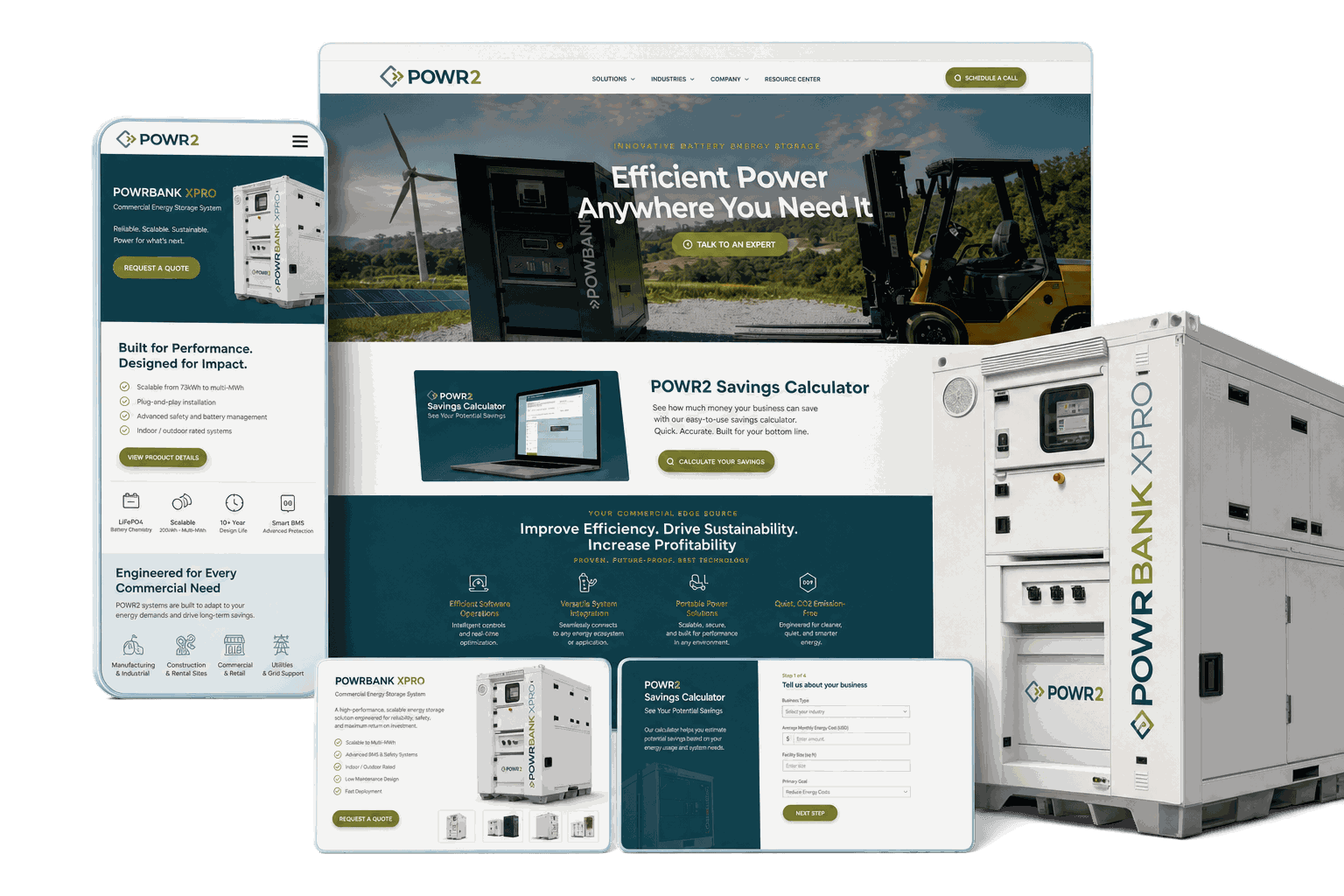
We built the redesign on the site’s existing structure, improving UX, navigation and interactivity while creating a modular design for easier updates and long-term scalability.
The site was rebuilt around large product visuals and a clearer path to conversion, with a 3D model added to help visitors understand the technology.
Digital Silk focused the shopping experience on clean navigation and streamlined checkout, letting product photography carry the weight of the brand’s craftsmanship.
A fully custom Shopify build brought new messaging and rearchitected product collections, driving a 32.4% rise in organic search sessions and a 35.63% lift in completed purchases.
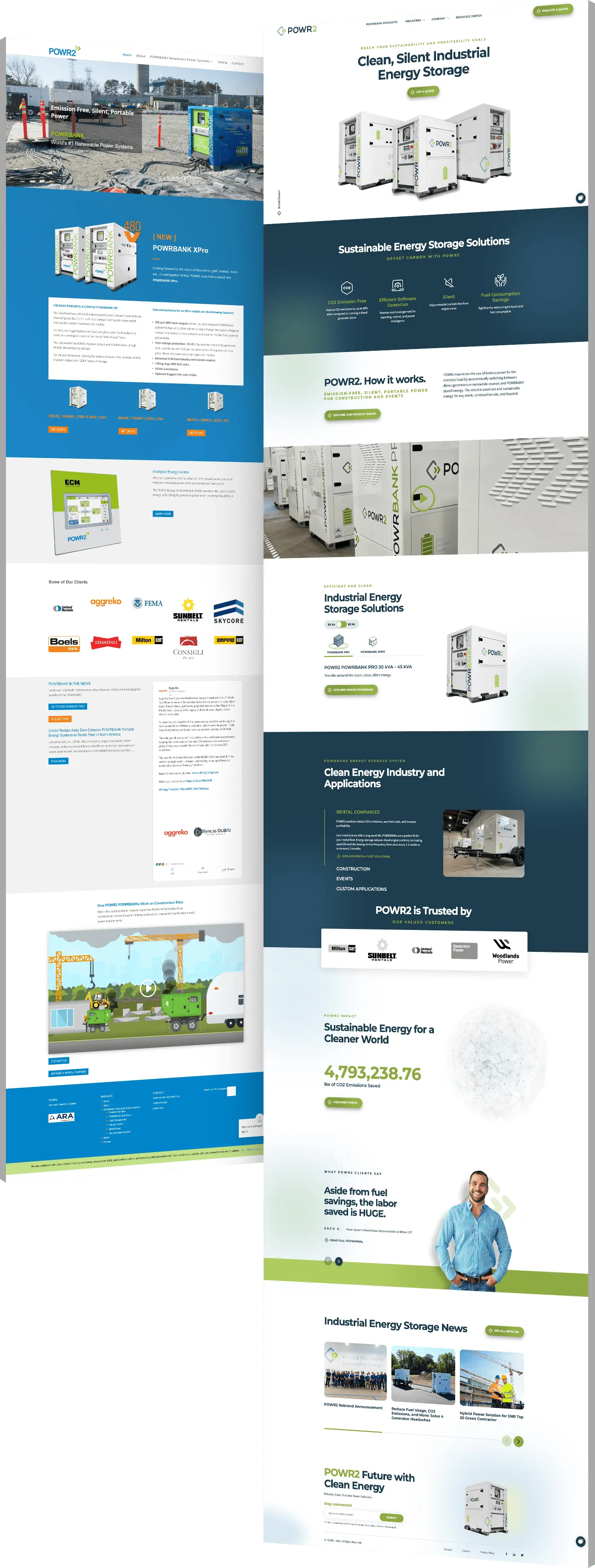
Our team built a full eCommerce ecosystem covering brand strategy, WooCommerce design and SEO to support Rollink’s entry into the U.S. market, helping grow revenue 500% with 730K visitors and a $205 average order value.
Our eCommerce Web Design Process
Every store we build follows a structured path from strategy through launch.
Strategy
& Discover

We start by learning your business. What you sell, who buys it, what’s working and what isn’t.
We define goals, identify your competitive edge and determine which eCommerce platform fits what you’re trying to build.
Everything our eCommerce web design company does after this point is based on what we figure out in this phase.
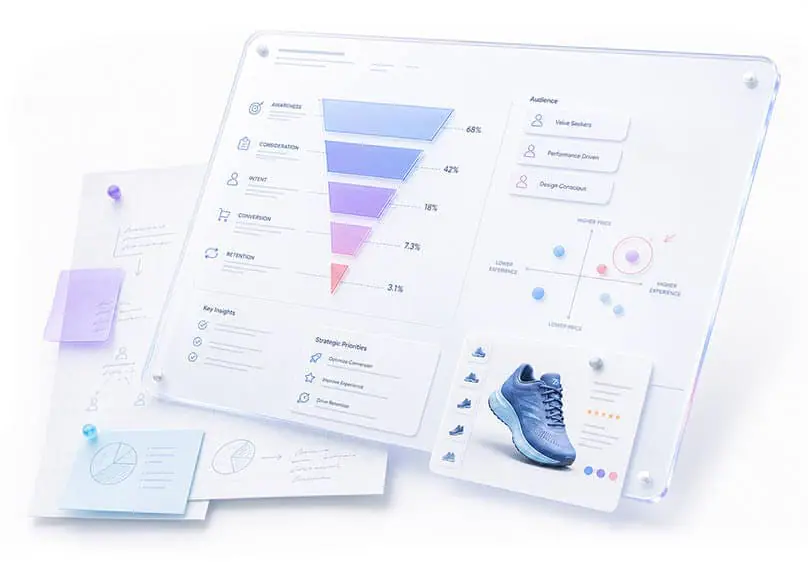
Planning

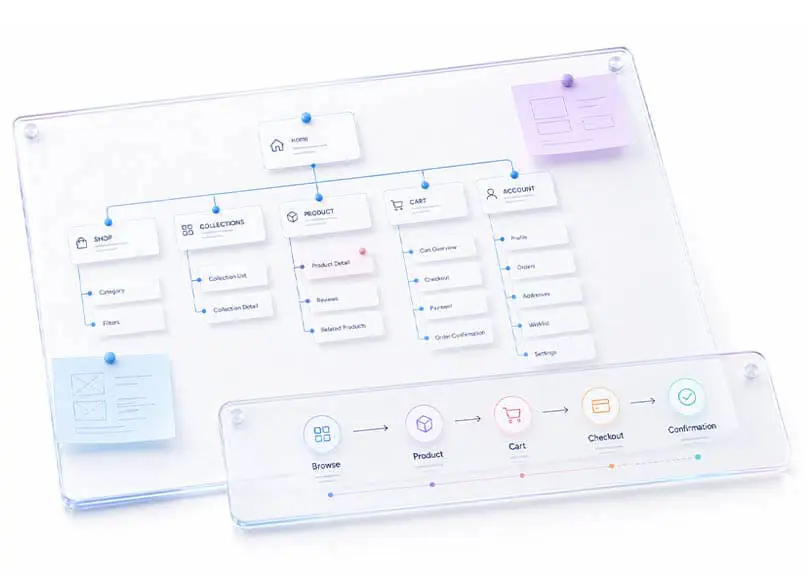
Navigation gets mapped before anyone opens a design tool.
Audience research shapes detailed wireframes, user flow and sitemap structures for every key page, including multi-language, multi-currency or regional setup if your store needs it.
This is where structure gets right, before design and development build on top of it.
Creative Design

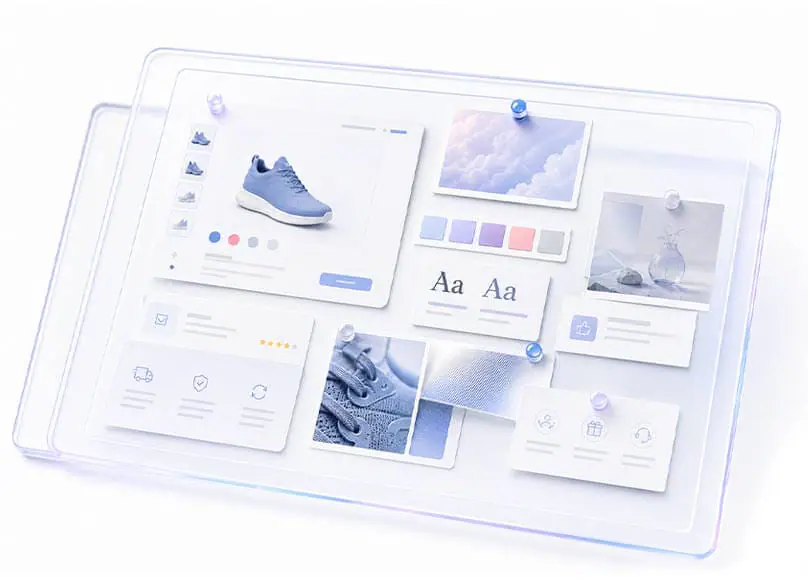
Some stores need a fully custom interface. Others work better with a tailored theme.
We figure out which approach fits your project and budget, then build out every screen with interactions placed where they help people buy.
Every screen goes through review with you before it moves forward, so nothing reaches development without your sign-off.

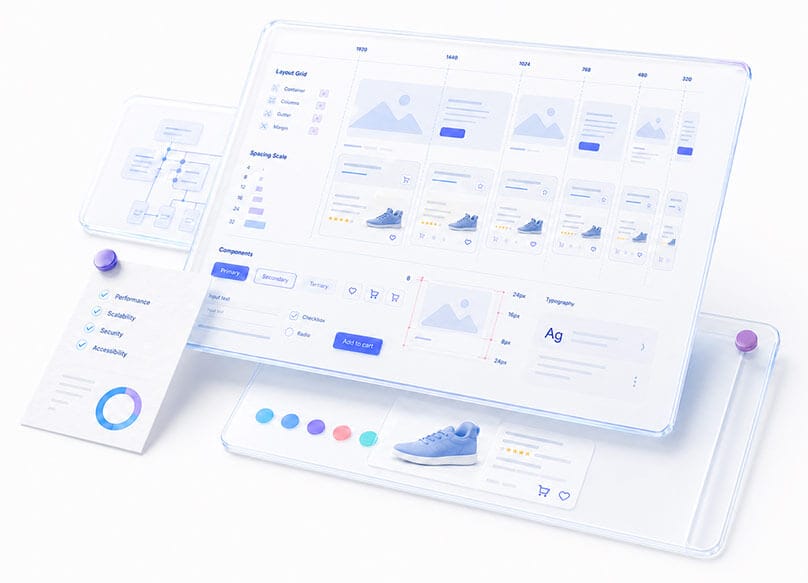
The approved design becomes a working store, not a static file.
Product catalogs, checkout logic, payment gateways, shipping rules and third-party integrations get built in, loading fast and looking right on every screen size.
Custom functionality gets built the same way, all under one roof.
Assurance

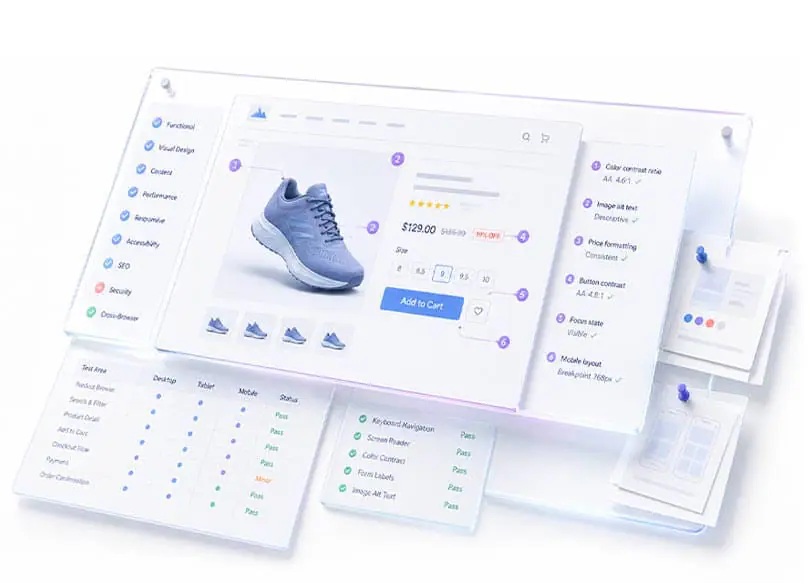
Nothing goes live until we’ve gone through the entire store ourselves.
We test across devices and browsers, running the checkout process multiple times and looking for anything that could get in a customer’s way.
A broken button, a slow page, a discount code that throws an error. We catch it before your customers do.
Optimization

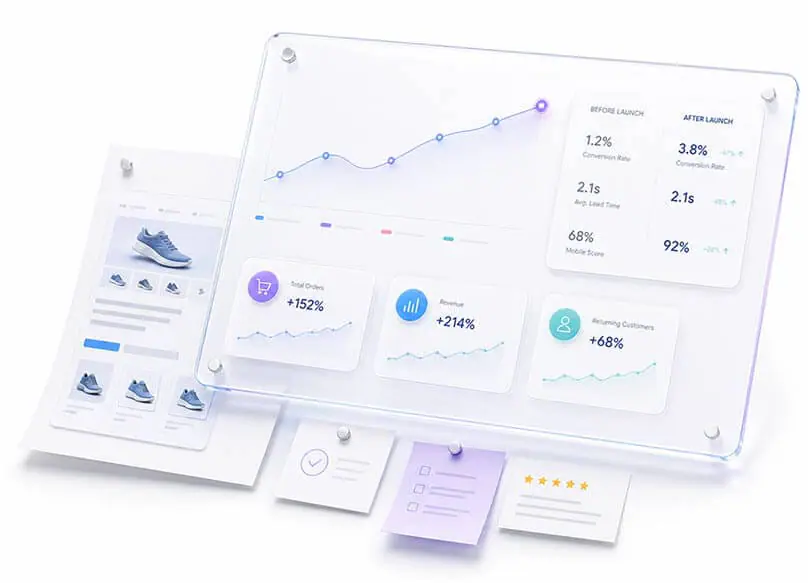
The store goes live once everything is signed off, with our team monitoring closely through the first few days after launch.
After things settle, attention shifts to performance: what pages hold attention, where visitors leave, which products get clicks but not purchases.
A launch isn’t the end of the project. It’s the point where we start using real data to keep improving the store.
Your Store. Always Up to Date.
Always Running.
Platform Updates

Ongoing Platform Updates
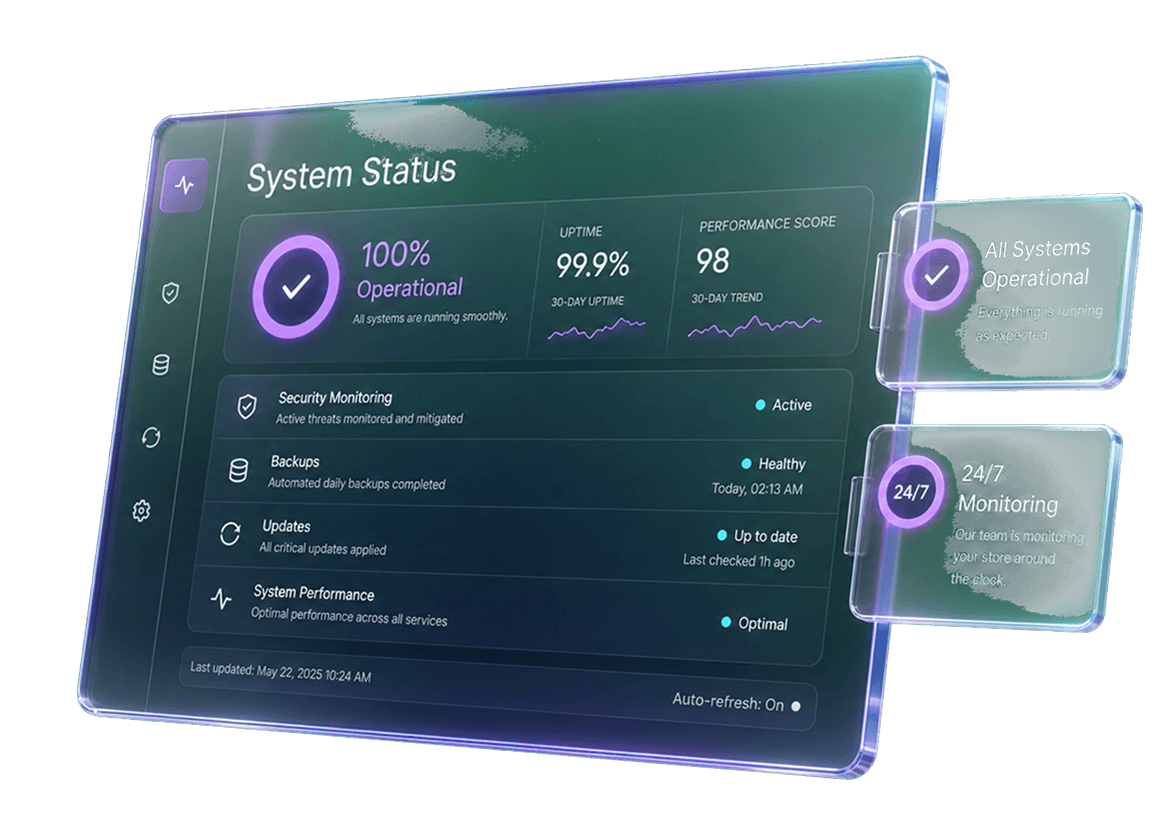
We stay on top of each release, test it against your store and apply it so nothing breaks.

Security & Performance Monitoring
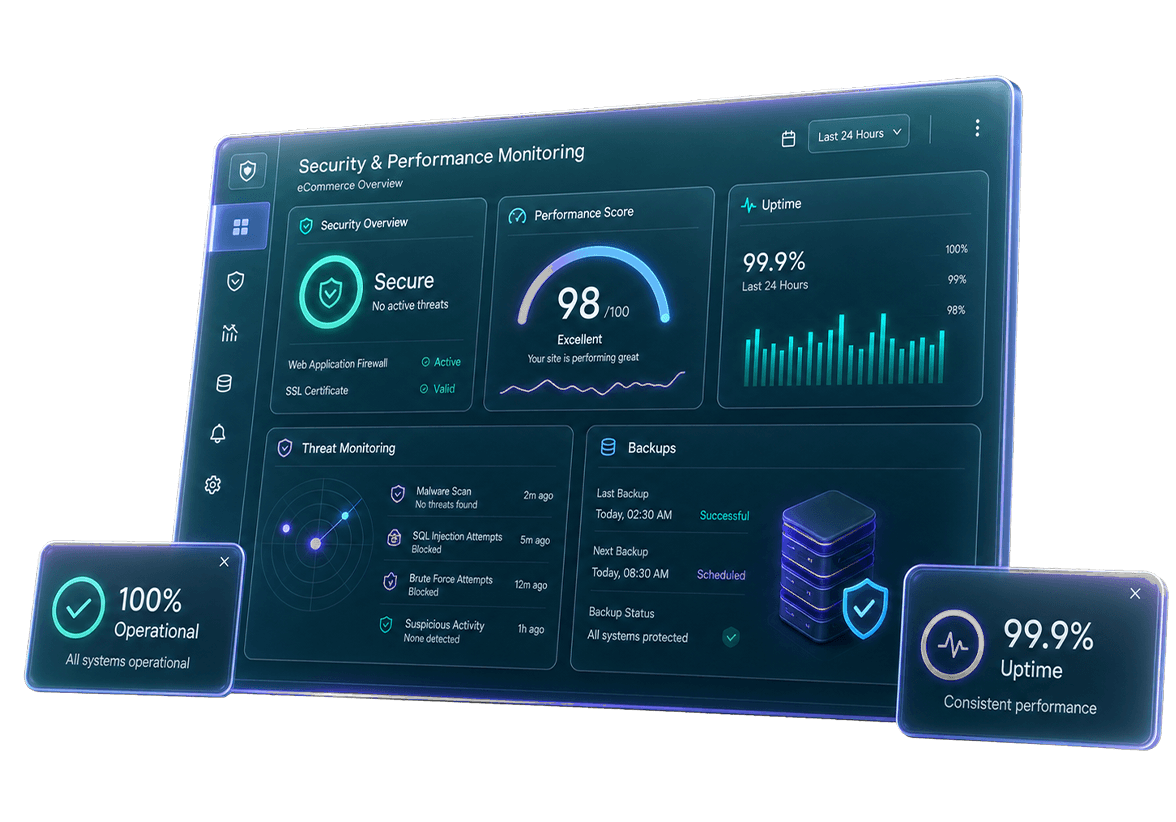
We monitor your store continuously and step in the moment something looks wrong, before your customers notice a problem.
Functionality

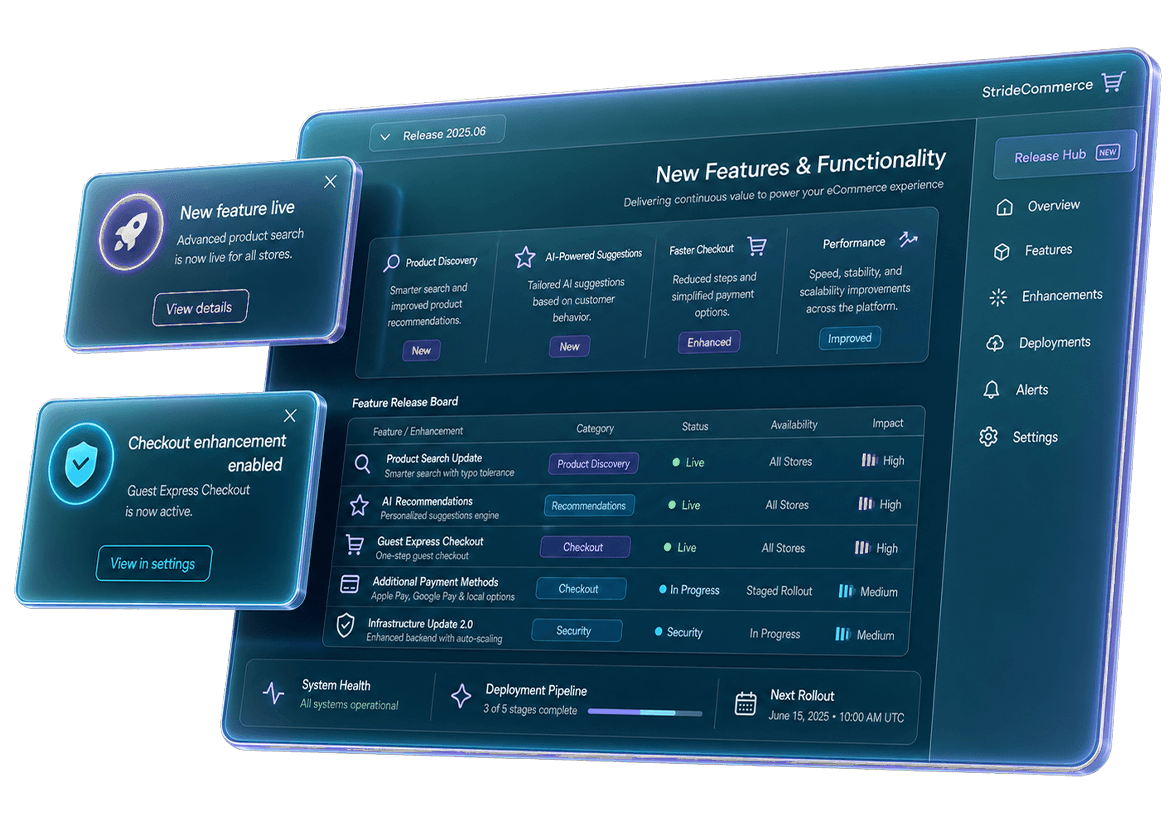
New Features & Functionality
Seasonal Updates

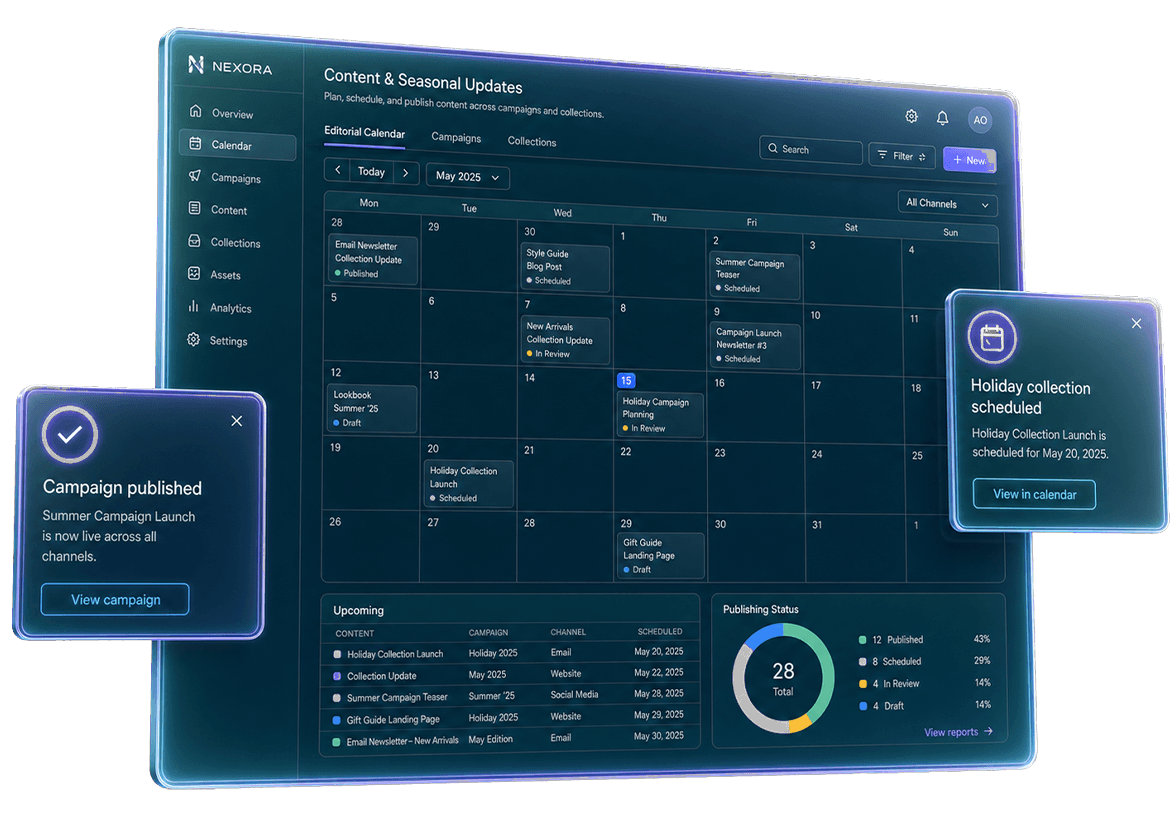
Content & Seasonal Updates
We hired Digital Silk as an A-to-Z solution for our brand launch in the US market. We started with fitting the brand strategy to the US market. With the data that we collected, we sharpened the brand strategy, which helped us develop together the website and the marketing plan.

eCommerce Design & Development FAQs
How long do eCommerce projects take?
It depends. A simple eCommerce store can launch in a few weeks. Larger stores with custom design, integrations, complex catalogs or regional setups usually take a few months.
We look at the platform, product count, features, content and approvals before giving you a timeline, so you know what to expect.
How do I choose an eCommerce platform for my business?
We build on Shopify Plus, Adobe Commerce (Magento) and WooCommerce, which between them cover everything from a boutique store to an enterprise catalog with millions of SKUs. Shopify Plus is best for speed to market and low operational overhead. Adobe Commerce fits complex B2B rules, multi-store setups or heavy customization. WooCommerce makes sense when the store sits alongside a content-led WordPress site. We recommend based on your catalog, integrations and internal team, not on what we’d prefer to build.
Can you integrate payment options?
Yes. We can set up Stripe, PayPal, Authorize.net, local payment gateways or a mix of providers, depending on what your business needs.
We also check the full payment process, including checkout, order confirmations, failed payments and transaction data.
Can you migrate my store from another platform?
Yes. We map and migrate customer accounts, order history, products and content, run the full migration in a staging environment first and reconcile record counts and totals against the old system before anything goes live. SEO is the part most migrations get wrong, so we plan 301 redirects for every URL and preserve metadata and structured data. Passwords usually can’t transfer between platforms for security reasons, so we plan a simple reset flow for customers. AI tools help us flag data anomalies at scale, followed by a manual review before sign-off.
Do you offer ongoing support and maintenance after launch?
Yes. If we host your store, it gets a warranty period right after launch to fix any bugs at no cost. Beyond that, most eCommerce clients stay on a retainer covering technical maintenance and security updates, hosting, conversion rate optimization, new features and seasonal campaigns, catalog and content management, and digital marketing. A store isn’t finished at launch. The testing and improvements after go-live are usually where the biggest revenue gains come from.
Will my store be responsive on mobile?
Yes, our experts design and test your store for phones, tablets and desktop screens.
We pay close attention to load speed, button placement, product images, forms and checkout steps so the store is easy to use on smaller screens.
Should we choose a headless or traditional eCommerce setup?
For most businesses, traditional. Headless gives you excellent speed and flexibility across multiple channels, but it costs more to build, needs ongoing developer support for front-end changes and takes some control away from your marketing team. It makes sense when you sell across several channels, run a large catalog with demanding performance needs or have an in-house dev team. If you mainly run one storefront, a well-built traditional setup is faster to launch and cheaper to own. We give you a straight recommendation after reviewing your requirements.
Can you integrate our ERP, CRM and inventory systems?
Yes. Complex integrations are a core part of what we do. We build custom API connections that sync products, inventory, pricing, orders and customer records between your store and your ERP, CRM, PIM, WMS or accounting system, with error handling and monitoring, so a failed sync gets caught instead of silently corrupting data. Where we’ve built a secure connector before, we reuse it to cut development time. If your system has no modern API, we scope a middleware approach and are upfront about the effort involved.
Do you use pre-built eCommerce themes?
No. Every storefront is custom designed around your products and your customers’ buying journey, because that’s where conversion rate comes from. A theme is designed for the average of thousands of stores, not for yours. We speed up delivery by reusing proven components from our own library and by augmenting our dev teams with AI, but the design itself is bespoke. In our experience, the money saved on a theme gets lost many times over in conversions.
How do you design product pages that convert?
By removing doubt. A high-converting product page answers the questions a buyer would otherwise leave to research: clear pricing and availability, customer support, honest photography from the angles that matter, specifications where relevant, delivery and returns stated plainly, and real reviews. We give the buy box visual priority, keep the add-to-cart button visible as shoppers scroll and place trust signals where hesitation happens, not in the footer. Then we test layout, imagery, copy and CTAs, and let the data settle disagreements about taste.
How do you reduce cart abandonment?
Mostly by removing reasons to hesitate: guest checkout as standard, shipping costs and delivery dates shown early instead of at the final step, a visible progress indicator, minimal form fields with address autocomplete, all the payment methods your customers expect, including digital wallets, and trust signals right where payment details are entered. We then back it up with abandoned cart email flows and, where it fits, retargeting.
How do you handle search and filtering for large catalogs?
With dedicated search and filtering, not the platform default. For large catalogs, we implement search with typo tolerance, synonyms, autocomplete and merchandising rules, so you can promote the right products. Filtering is faceted and built on a clean product taxonomy, which means the product data has to be right first, so we often clean up attributes as part of the project. After launch, we review real search queries, because what customers type shows what’s missing from your catalog and categories.
How do you test checkout before launch?
Checkout gets the heaviest testing of anything we build. Each dev team has a dedicated QA member, and we run software-assisted tests across hundreds of scenarios plus manual testing. We check every payment method, including declines and failed transactions, tax and shipping calculations across regions, discount and gift card logic, guest and registered checkout, items going out of stock during checkout, order confirmation emails and the full flow on real mobile devices. We also place live test orders end to end, and our CTO signs off before deployment.
How do you keep our store secure and PCI compliant?
By keeping card data off your site entirely. Payments are handled by certified gateways and processors, so card details never touch your servers, which keeps your PCI scope at the simplest level. On top of that, we implement SSL across the site, a web application firewall and DDoS protection through Cloudflare, encryption in transit, role-based admin access with two-factor authentication, regular patching, malware monitoring and automated backups. PCI compliance is a shared responsibility: we build and maintain the technical side, and your internal processes and staff access matter too. We show you exactly where the lines are.
What happens if our store gets a traffic spike, like on Black Friday?
We plan for it before it happens. If you host with us, we load-test the infrastructure against your expected peak ahead of major sales events, scale server resources in advance and set up caching and CDN rules to absorb the traffic. Our DevOps team monitors server load during those events with automated alerts, and we follow a documented incident response process, backed by encrypted backups and a disaster recovery plan. For Black Friday, we agree on a readiness plan and a code freeze with you well in advance.
"*" indicates required fields