Three years ago, nobody was searching for software that writes grant proposals using generative AI. The category didn’t have a name yet, which means it didn’t have search volume, which means no amount of skill at capturing search demand would have found those buyers.
That’s the structural problem in technology marketing, and it doesn’t exist in most other industries. Restaurants, law firms and contractors sell into demand that already exists and is already being searched for. A meaningful share of technology companies are selling something the market hasn’t finished naming.
It matters more now because of where the shortlist forms. TrustRadius’s 2026 research found that 83% of B2B buyers shortlist three products or fewer — and G2’s 2026 buyer behavior data puts 51% of buyers starting vendor research inside an AI tool. By the time anyone contacts you, the field has usually been narrowed by a process you weren’t part of.
So we work on both halves: capturing the demand that exists, and creating the demand that doesn’t yet.
Request a Quote
Let’s Create Something AMAZING Together
"*" indicates required fields
Capturing Demand And Creating It Are Different Things
01
You Can’t Capture Demand For A Category That Doesn’t Exist
Every performance marketing playbook is built on the same assumption: somewhere, people are describing a problem you solve, in words you can bid on or rank for. Find those words, be present for them, convert.
For a large part of the technology sector, that assumption is only half true and it’s usually the other half that’s the more valuable one.
Demand capture works when buyers know what category they’re shopping in. Someone searching “endpoint detection and response software” has already decided what kind of thing they want and is choosing between vendors. This is where SEO, paid search, review sites and comparison content do their work, and it is genuinely where most technology marketing budget should go, because intent is highest and measurement is cleanest.
Demand creation is necessary when the buyer has a problem but no category name for the solution. They are not searching for your product. They may be searching for the problem, in language that has nothing to do with how you describe yourself, or they may not be searching at all — because they’ve accepted the problem as a permanent condition of their job.
You cannot bid on words nobody types. Reaching these buyers means going to where they are rather than waiting where you’d like them to be: paid social and LinkedIn targeted by role and firmographic rather than by keyword, content that describes the problem in their language rather than the solution in yours, and the slow work of getting the category named — analyst coverage, trade press, partnerships, communities.
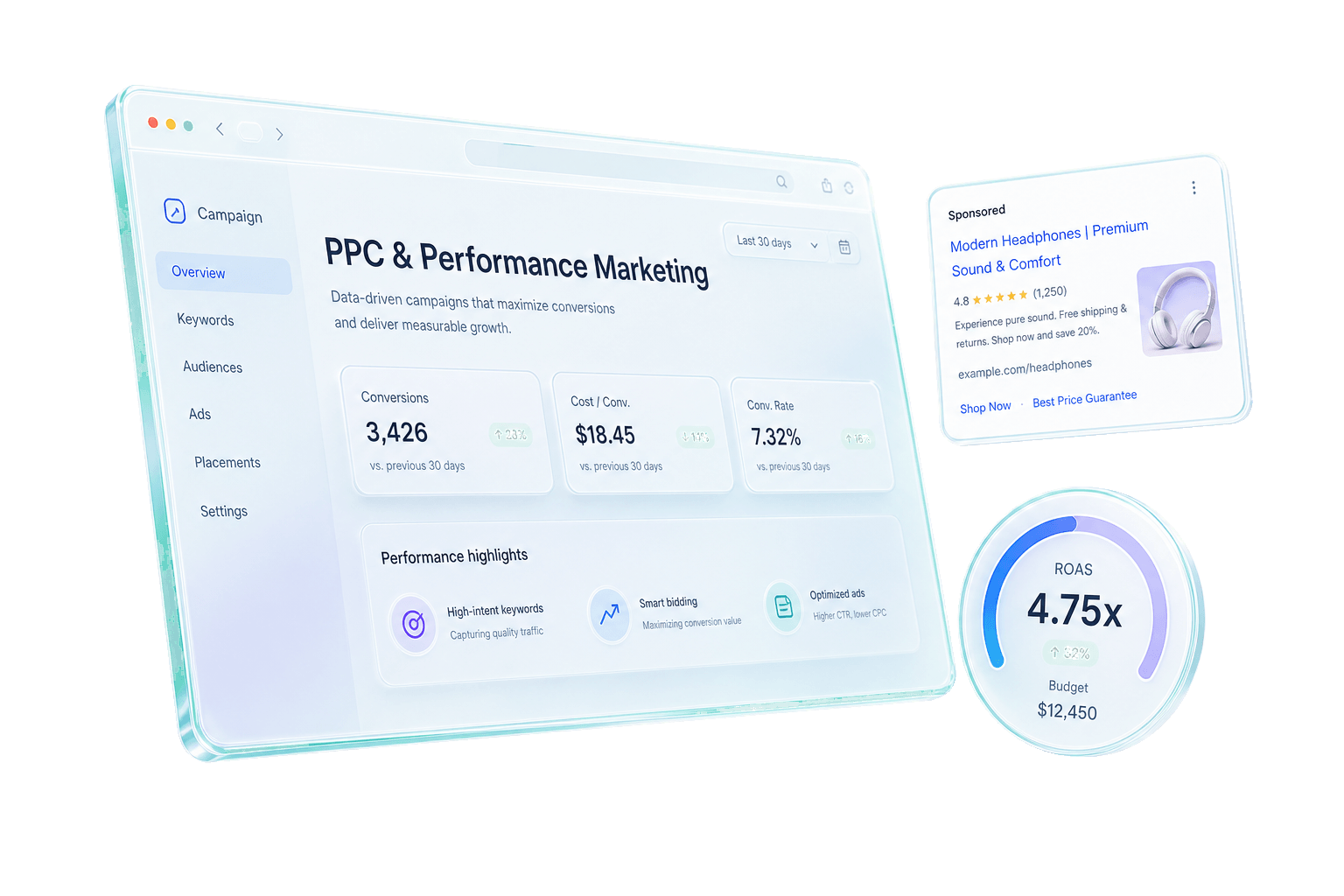
AutogenAI is a real example of running both at once. The paid program combined Google PPC on high-intent keywords with LinkedIn campaigns targeted at the people who write proposals and grants, whether or not they had ever searched for a product like it. Over six months: leads up 48%, cost per acquisition down 50%, and pipeline up more than 60%. The search half found the people already looking. The LinkedIn half found the people who didn’t know to look.
The practical test is easy to run: pull the search volume for the terms that describe what you sell. If the total addressable search volume is smaller than your revenue target implies, you have a demand creation problem, and no amount of optimization inside that volume will fix it. Most technology companies discover their real ceiling this way.
02
Buyers Pick Their Shortlist Before You Ever Hear From Them
TrustRadius’s 2026 B2B Buying Disconnect research found that 83% of buyers shortlist three products or fewer. Not three from a long list — three, total.
That number should reorganize how a technology marketing budget is spent, because it means the decisive event happens before any conversation. If you are not among the first three names a buyer assembles, you are not in a competitive process you might win. You are absent.
Where that shortlist gets assembled has moved. G2’s 2026 buyer behavior data has 51% of buyers beginning vendor research in AI tools, and TrustRadius found 63% used AI somewhere in the purchase journey. That doesn’t mean AI decides — TrustRadius also found 94% of buyers fact-check AI responses at least some of the time, and buyers still close on demos and peer reviews. But being named in the first pass matters enormously when the first pass produces a list of three.
Three practical consequences.
Being findable now includes being citable. Content that answers a comparison question clearly, with specifics an assistant can quote, is more likely to surface in that first pass than content that gestures at value. Structured, specific, factual content has always been better; it is now better in a second way.
Third-party presence carries more weight than owned content. Review platforms, analyst listings, comparison content and community discussion feed both human research and machine summarization. A technology company with a thin presence on the sites its buyers use is invisible in a way its own website cannot compensate for.
And the comparison page you didn’t want to write is now load-bearing. Buyers assembling three options are looking for exactly the content most technology companies avoid publishing — honest comparisons, clear statements of who the product isn’t for, real pricing signals. Refusing to publish it doesn’t prevent the comparison; it just means someone else writes it.
03
Measure Pipeline Quality, Not Lead Volume
There’s a measurement problem specific to this sector that’s worth naming, because it wastes an enormous amount of money.
Technology buying cycles are long and involve several people, so the gap between a marketing action and revenue is wide enough to be argued about. The usual response is to optimize for what’s measurable and immediate — leads, demo requests, MQLs — which is exactly the behavior that produces high volumes of unqualified pipeline and a sales team that stops trusting marketing.
The discipline is to hold marketing accountable for pipeline quality rather than lead volume, and to accept the slower feedback that comes with it. AutogenAI’s program is a good model precisely because the reported numbers include CPA reduction and pipeline growth rather than raw lead counts — it optimized toward efficiency and quality, not toward the biggest number available.
Worth adding a note on attribution, since technology marketers are asked about it more than most: the honest position is that multi-touch attribution in a long, multi-stakeholder cycle is directional, not definitive. Anyone selling you a model that confidently assigns a six-figure deal to a single interaction is selling you a story. Contribution, stated with its methodology, holds up better — and it holds up much better in front of a technical audience that will interrogate it.
How We Market Technology
We Size The Demand Before Planning For It
Pull the actual search volume for your category. If it’s smaller than your target implies, optimization inside it won’t close the gap — and that changes the whole plan.
We Run Capture And Creation Together
Search for the buyers already looking. Role and firmographic targeting for the ones who don’t know your category exists. AutogenAI’s program did both.
We Build For The First Pass
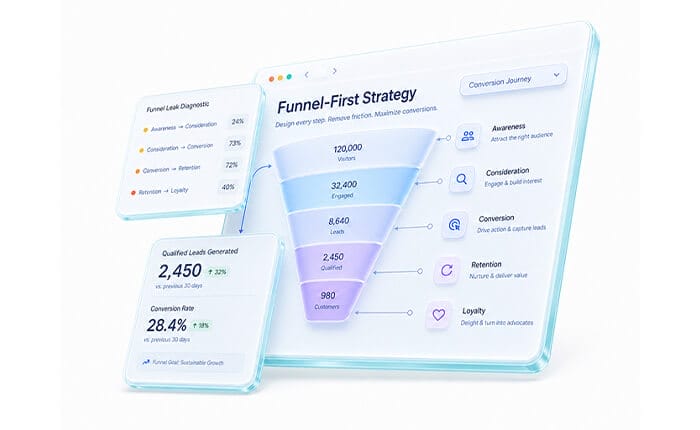
83% of buyers shortlist three or fewer, and half start in an AI tool. Specific, citable, third-party-visible content is how you make that list.
We Optimize For Pipeline, Not Leads
Lead volume is the easiest number to move and the fastest way to lose your sales team’s trust. AutogenAI’s CPA fell 50% while pipeline grew over 60%.
I would absolutely work with Digital Silk again on future projects and would recommend them to anyone looking for a team that knows what they are doing but is also made up of really good people.
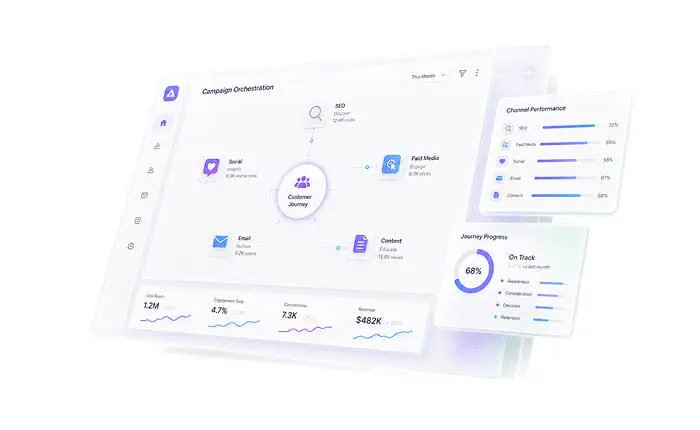
SEO, paid media, content and email run on shared audience data and a single set of KPIs, so performance in one channel directly informs the next.
Category And Demand Sizing
Category And Demand Sizing
Establishing how much demand actually exists for what you sell, before building a plan that assumes it does. This is usually the most uncomfortable and most useful first deliverable.
Paid Search And Paid Social
Paid Search And Paid Social
High-intent search for buyers already looking, plus role- and firmographic-targeted LinkedIn and paid social for the ones who don’t yet know your category exists. The AutogenAI mix.
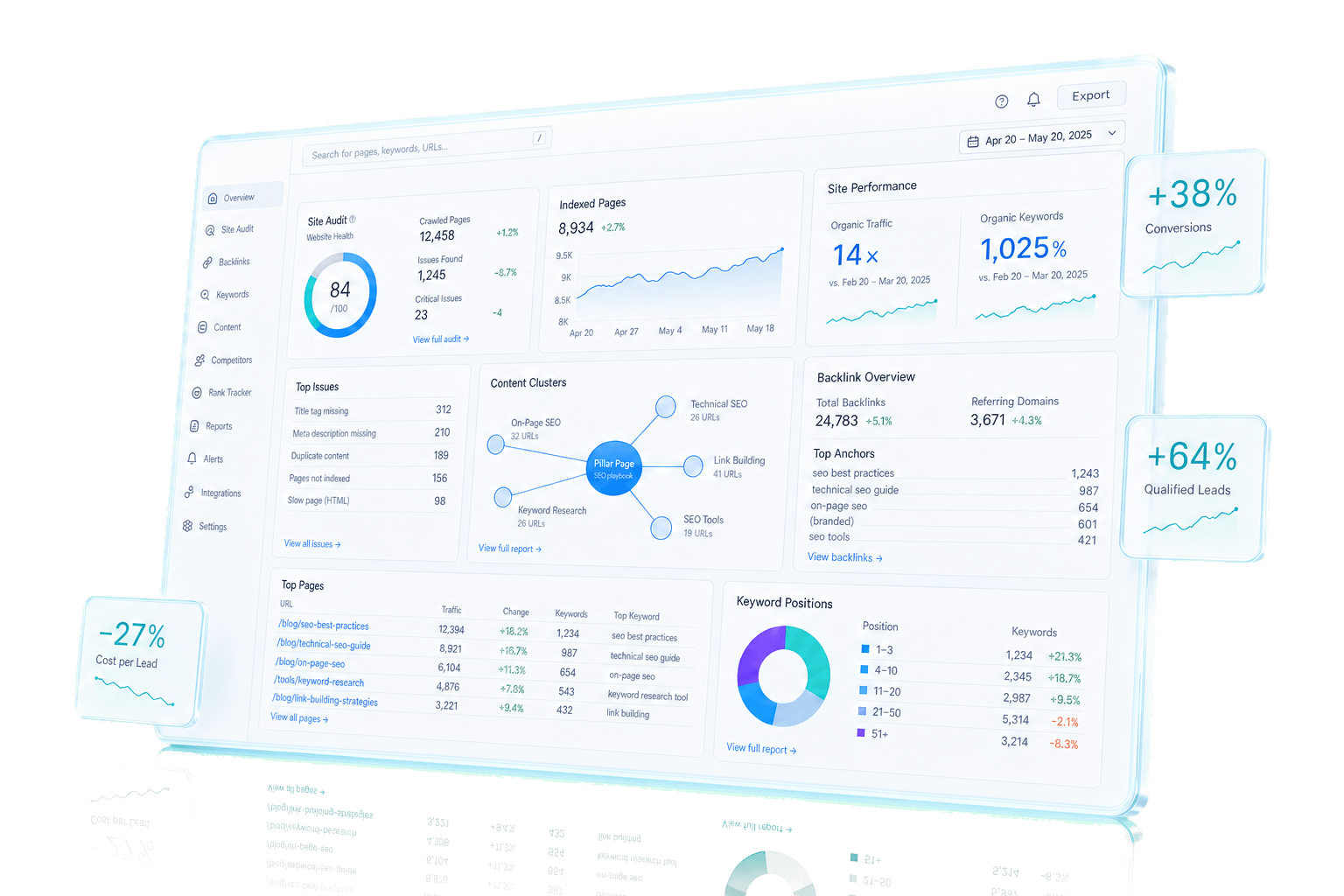
SEO & Technical Content
SEO & Technical Content
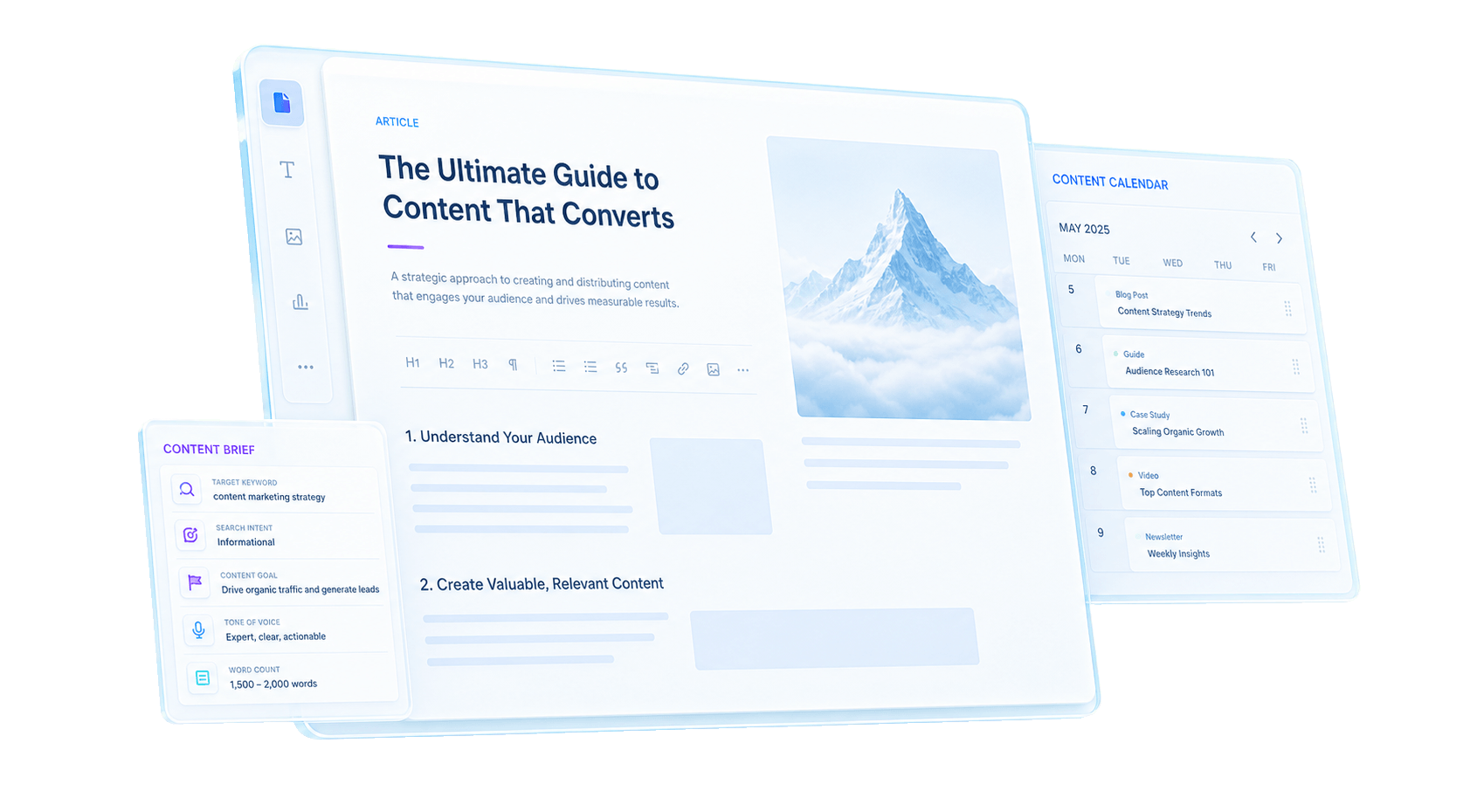
Category, comparison and problem-language content built to be specific and citable, plus the technical foundations that make it rank.
Demand Generation & LIfecycle Management
Demand Generation & LIfecycle Management
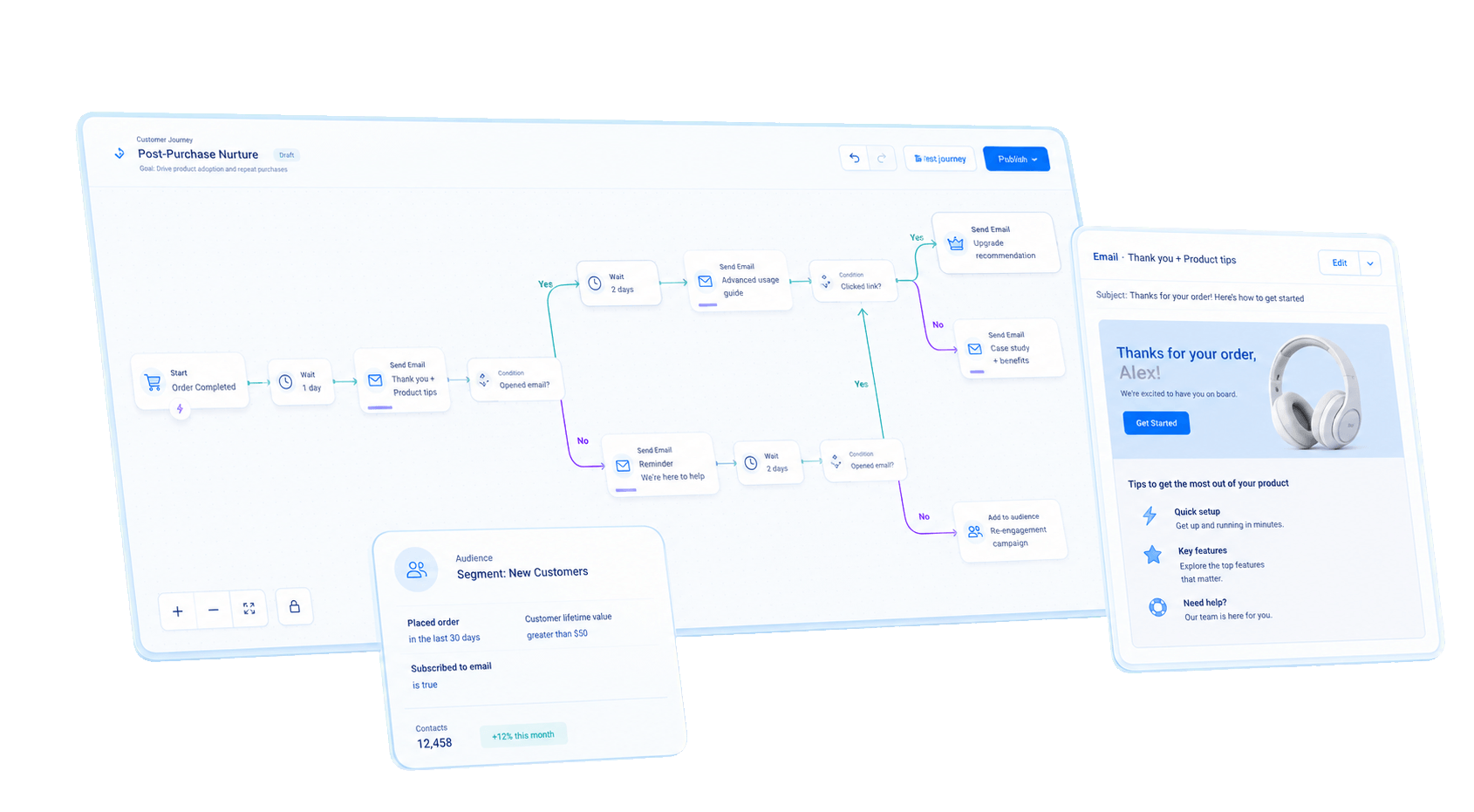
Programs built for prospects who are interested but not ready, which is most of them. Xerox’s brochure-download nurture sequence is the reference.
Pipleline Measurement & Attribution
Pipleline Measurement & Attribution
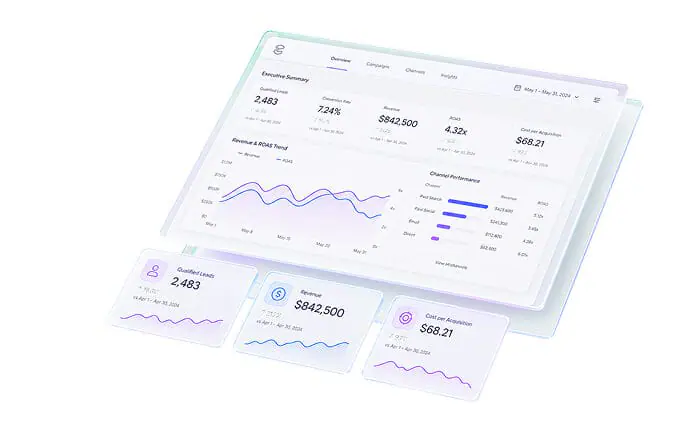
Reporting on pipeline quality and contribution with a stated methodology, rather than lead counts and single-touch attribution that won’t survive scrutiny.
Here’s our process for technology digital marketing, start to finish.
Discovery & Goal Alignment
We start with your revenue and profitability targets, then pull the real search volume for your category and talk to sales about what buyers say on first contact, since those two inputs decide the capture-versus-creation split and the budget.
We set CPA benchmarks across PPC, SEO, organic social and email before launch. We also model funnel conversion, customer lifetime value and margin thresholds so scaling improves profitability, not just volume.
Market & Audience Research
We analyze keyword intent, competitor positioning, organic search gaps and social signals to find high-conversion opportunities.
We also audit what a buyer assembling a shortlist would find about you on third-party platforms, not just your own site, since that’s usually the real gap.
For B2B, we map buyer intent to a full funnel that warms audiences before converting them through targeted nurture.
Channel & Tech Audit
We audit every paid ad account monthly across Google, Meta, LinkedIn and TikTok, plus a quarterly review of SEO, CRM and automation systems.
Before launch, we agree with sales, in writing, what counts as qualified pipeline, since programs that skip this default to optimizing for lead volume.
This process catches budget leakage, tracking gaps and inflated acquisition costs early.
Integrated Strategy & Roadmap
We build an acquisition strategy combining paid media, search, content and automation, managed centrally through multi-touch attribution.
We typically start with an even channel spread and refine monthly toward ROAS, with your Marketing Director bringing recommendations to regular syncs. Every stage is sequenced to protect cash flow while validating performance before scaling.
Campaign Build & Launch
Approved creative moves into live campaigns, with tracking, landing pages and lead routing configured against the pipeline definition agreed on earlier.
Nothing goes live until reporting means the same thing to marketing and sales.
Scale & Expansion
We scale only what proves profitable, expanding winning paid campaigns, high-performing SEO clusters and organic themes that convert.
Acquisition volume grows while acquisition cost thresholds and margin stay protected.
Technology Digital Marketing FAQs
We’re in a new category with almost no search volume. What do we do?
Accept that demand capture has a hard ceiling for you, and fund demand creation alongside it.
That means targeting by role and firmographic rather than by keyword, writing about the problem in the language your buyers use rather than the language you use, and doing the slower work of getting the category named — analysts, trade press, partnerships, community. AutogenAI ran both halves at once and grew pipeline over 60% in six months while cutting CPA in half.
How much of our budget should go to SEO?
It depends entirely on whether the demand exists yet, which is a question you can answer in an afternoon. Pull the search volume for the terms that genuinely describe what you sell.
If it comfortably exceeds what your revenue target requires, SEO deserves a large share. If it doesn’t, SEO is a component of a plan rather than the plan, and anyone proposing otherwise hasn’t checked.
Does AI search change what we should be doing?
It changes where the first pass happens more than it changes what good content is. G2’s 2026 data has 51% of buyers beginning research in AI tools and TrustRadius found 63% using AI somewhere in the journey — but TrustRadius also found 94% fact-check what AI tells them, and buyers still decide on demos and peer reviews.
The practical implication is unglamorous: be specific, be factual, be present on the third-party platforms that get summarized, and publish the comparison content you’ve been avoiding. That was good advice before and it’s better advice now.
Why do we get lots of leads and no pipeline?
Usually because the program is being optimized for the thing that’s easiest to measure. Lead volume responds quickly to broader targeting and lower-friction offers, both of which reduce quality.
The fix is agreeing with sales, in writing and before launch, what qualified means — then reporting on that instead. It produces smaller, slower-moving numbers and considerably more revenue.
Our buyers are engineers and they hate marketing. How do we reach them?
By not marketing at them. Technical audiences evaluate by reading documentation and by trying things, so the highest-value work is usually removing friction from evaluation — better docs, accessible trials, honest technical content, and a presence in the communities where they already talk.
Claims without substantiation are worse than useless with this audience; they’re disqualifying.
Should we publish comparison pages against competitors?
Almost certainly. Buyers assembling a shortlist of three are actively looking for that comparison, and if you don’t publish it, a competitor or an affiliate site will — and theirs won’t be generous to you.
The version that works is genuinely honest, including a clear statement of who your product isn’t right for. That last part is what makes the rest believable.
How is this different from your SaaS marketing service?
SaaS companies sell a subscription, so their marketing runs on trials, product-led growth and retention. This service covers technology businesses where that model doesn’t apply, like hardware, infrastructure, fintech, IT services and enterprise technology, where deals are bigger and sales cycles longer.
If you sell subscription software, our SaaS marketing approach fits. If you sell anything else in technology, our technology marketing approach fits.
Talk To Our Technology Marketing Team
Tell us what your buyers type into a search bar when they have the problem you solve. If the answer is “nothing,” that’s the most useful thing you could tell us — and it changes the entire plan.