

Babies R Us logo
Enchant Christmas's logo
G2 eSports logo
Grenco Science's logo
Miami Country Day School logo
HP logo
NYU logo
P&G logo
Sony logo
Xerox's logo

What Texas Law Puts In Your
Ordering Flow

  • 01
    Alcohol-to-go Is A Cart Specification, Not A Menu Item 
    Texas made alcohol-to-go permanent, and it’s a real revenue line for Austin restaurants. It also comes with conditions that belong in the ordering system rather than in a footnote. 

    Mixed Beverage and Private Club permittees can sell alcohol for pickup or delivery, and Wine and Beer Retailers already could. Permit holders need a Food and Beverage Certificate. Then the operational rules: 

    Alcohol must accompany a food order. That’s a cart validation rule. If a customer can reach checkout with only a cocktail in the basket, the site is wrong. 

    Distilled spirits go out in an original single-serving container of 375ml maximum. A product-level constraint on what can even be listed for to-go. 

    Mixed drinks need a tamper-proof container sealed by the retailer, labeled with the business name and the words “alcoholic beverage.” 

    That’s a fulfillment requirement with packaging implications, and it should be reflected in what the customer is told they’ll receive. 

    Delivery is direct or through a third party holding a Consumer Delivery Permit. Which means not every delivery integration is eligible, and the site’s fulfillment options need to reflect which partners actually qualify. 

    And it can’t be transported in the passenger area of a vehicle — worth surfacing at handoff, because the guest is the one who has to comply. 

    None of this is difficult. It’s just that most restaurant ordering flows are configured from a generic template, and the alcohol rules get handled by staff catching problems at pickup instead of by the cart preventing them. Encoding it properly removes a category of friction and a category of risk at once. 
  • 02
    The Statewide Food Truck Permit Changed The Maths On 1 July 
    Texas HB 2844 took effect on 1 July 2026, creating a standardized statewide licensing program for mobile food vendors.

    A single state permit now replaces the separate city health permits operators previously needed in every municipality — removing duplicate inspections and duplicate fees.

    Fees are tiered by operation type, from prepackaged through to full preparation. Cities keep authority over zoning, location restrictions, fire safety, private property approval and local sales tax, but can no longer charge a duplicate health permit. 

    For Austin, where mobile food is a genuine part of the restaurant economy rather than a novelty, this lowers the cost of operating across cities substantially. The predictable consequence is more operators running multiple units across more places — and often a mix of mobile and fixed locations at the same time. 

    That’s a website problem most restaurant templates handle badly. A site built for one address with one set of hours doesn’t describe a business with three trailers on rotating schedules and a brick-and-mortar.

    What’s needed is a location model where a unit has a schedule rather than an address, where “where are you today” is answerable without a social media post, and where the operator can update it in seconds from a phone, because that’s the reality of the job. 

  • 03
    Austin’s Defining Restaurant Arc Runs Trailer To Building 
    More Austin restaurants than almost anywhere begin as a trailer and become a building. It’s a well-documented local path, and it’s a specific problem for the website. 

    A trailer’s site is a small, fast thing: what we sell, where we are today, how to find us, Instagram. A restaurant’s site needs a menu with structure, reservations, private events, catering, careers, maybe online ordering and gift cards. The information architecture, the content model and the whole conversion goal change. 

    Most operators handle it by rebuilding from nothing, losing the domain history, the reviews infrastructure and the search equity they built as a trailer — which for a business whose brand is its main asset is a genuinely costly mistake. 

    Built with the transition in mind, the site grows instead: same domain, same accumulated authority, expanded architecture. And the reverse case is now just as common — an established restaurant adding a trailer, a stall or a second concept, and needing the site to hold both without one looking like an afterthought. 
  • 04
    Selling Out Is Normal Here, And The Website Should Say So 
    Austin’s barbecue and limited-run culture means a restaurant selling out by early afternoon isn’t a failure, it’s the format.

    Same for daily specials, one-off collaborations and seasonal menus that change faster than anyone updates the site. 

    The default handling is a menu page that’s quietly out of date and an Instagram story that’s the real source of truth — which works for regulars and fails everyone else. A visitor who drives across town for something you stopped serving at 1pm doesn’t blame the website; they just don’t come back. 

    The fix isn’t complicated, but it has to be designed: an availability state that staff can toggle in seconds, sold-out treated as a visible status rather than a removed item, and a menu content model that separates what’s permanent from what’s daily. Handled well it becomes part of the appeal — scarcity is a marketing asset when you publish it, and a frustration when you hide it. 

Our Restaurant Web Design Work

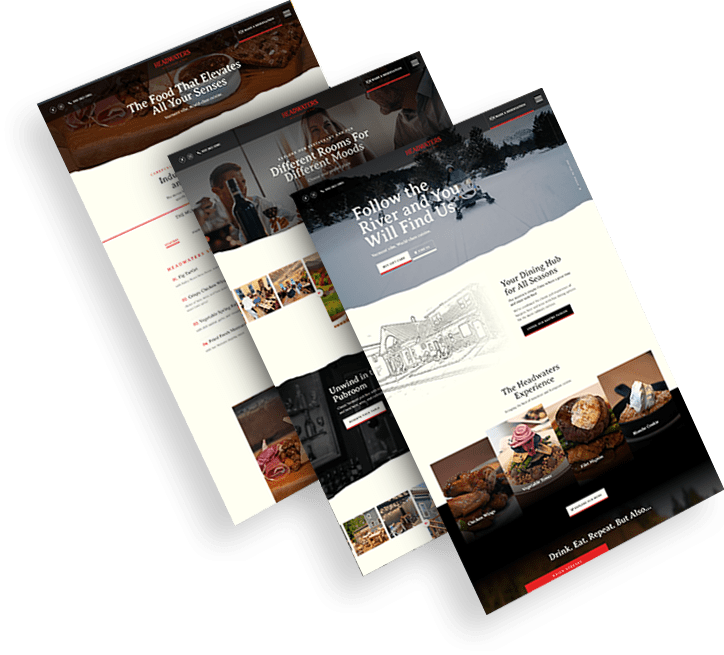
Headwaters — A restaurant website designed to drive reservations.

We created a streamlined website with an intuitive booking system, high-quality imagery and an immersive presentation of the restaurant’s atmosphere, making it easier for diners to discover and reserve a table.

Within two months, the site generated 605 table reservations, a $3.53 cost per acquisition and 623 location searches, helping the restaurant achieve a fully booked schedule every day of the week.

headwaters-trio-flipped

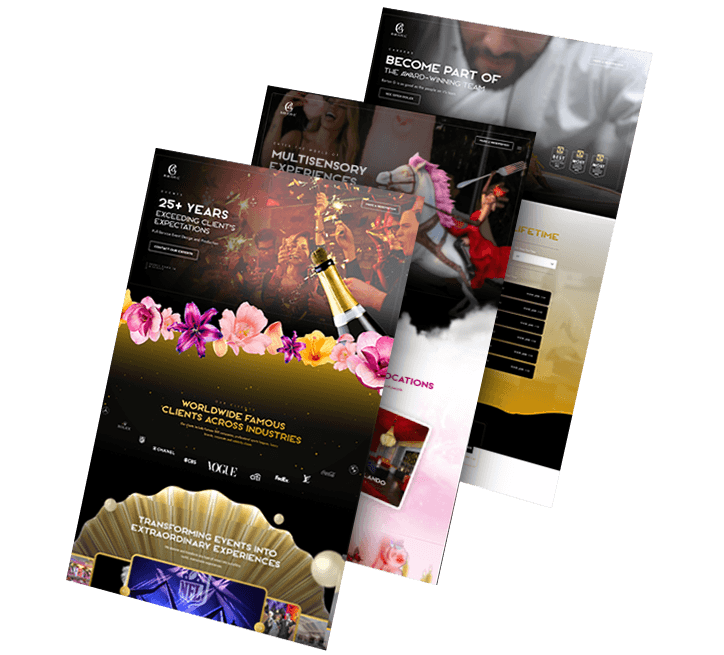
Barton G — A restaurant website redesign that drove 207% more visitors

We redesigned the website to better capture the restaurant’s extravagant atmosphere and iconic dishes while refining the conversion funnel to make it easier for visitors to move from discovering the experience to making a reservation.

Within six months, website visitors increased 207% and engagement jumped 334%.

Barton-G-trio-flipped-1

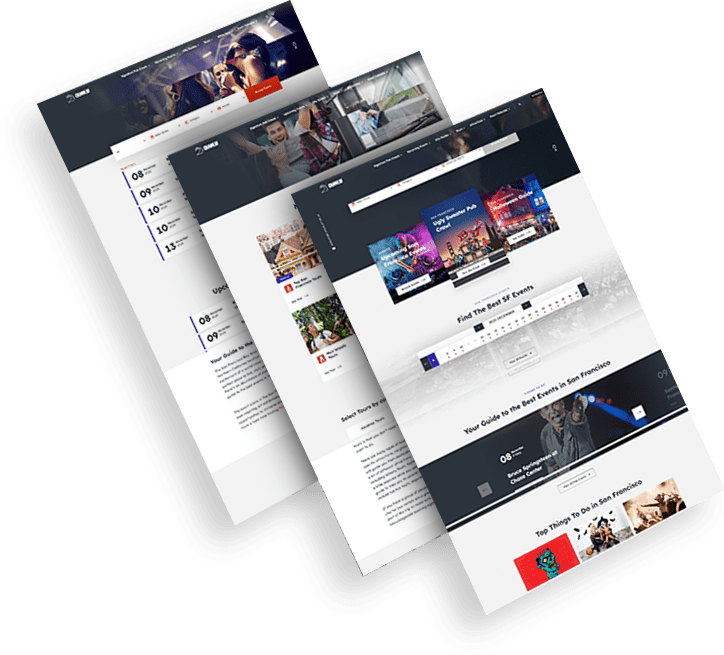
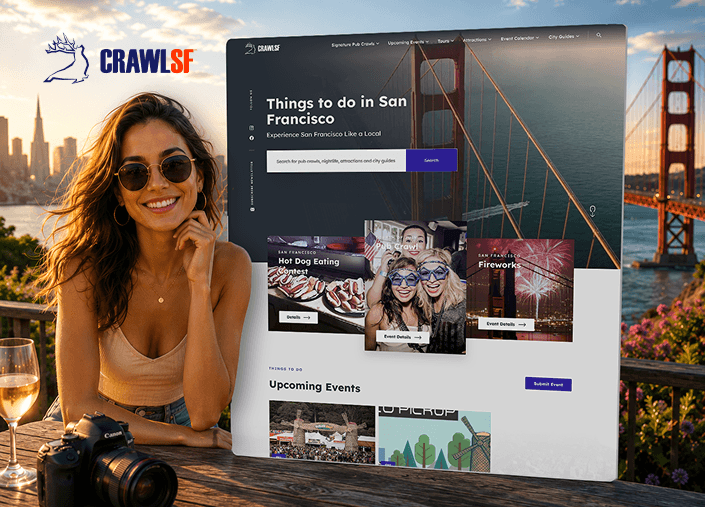
CrawlSF — A website redesign that increased users by 23%

We created a new website and brand identity with a focus on faster navigation, improved UX and preserving the site’s existing search visibility through technical SEO.

Year over year, user growth increased 23%, organic users rose 17%, returning users increased 73%, and bounce rate decreased 37%.

Trio of CrawlSF web design images

I would absolutely work with Digital Silk again on future projects and would recommend them to anyone looking for a team that knows what they are doing but is also made up of really good people.

leora conway
Leora Conway
VP of Development

What Austin Operators Need The Site 
To Do

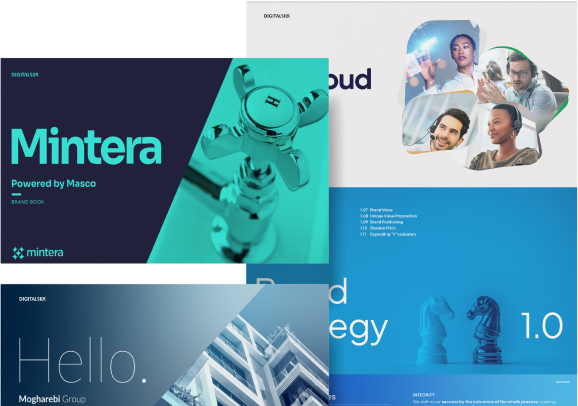
A collage of brand books and promotional materials

ENFORCE THE ALCOHOL RULES

A food item in the basket, a size cap on spirits, eligible delivery partners only. Handled in the cart, not by staff at pickup. 

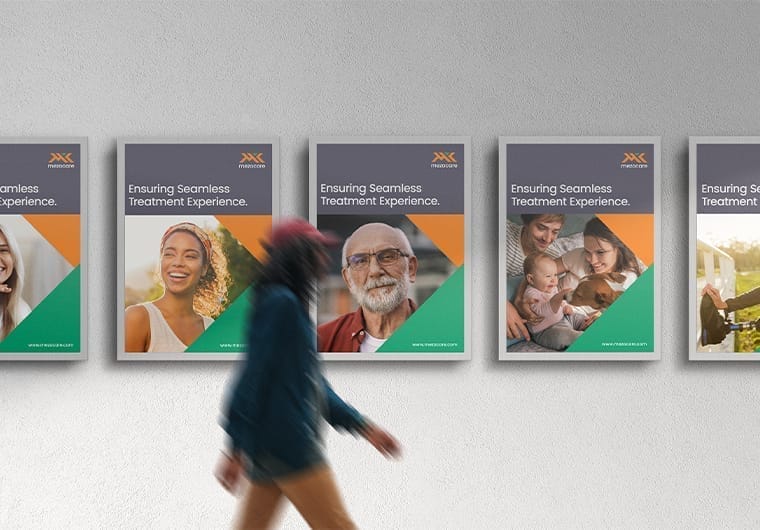
Healthcare branding campaign posters displayed on a wall with a person walking past the display

ANSWER “WHERE ARE YOU TODAY”

Since July, one state permit covers mobile operations across Texas. Sites built for a single fixed address can’t describe what that makes possible. 

GROW WITH THE BUSINESS 

Trailer to building is the Austin arc. Rebuilding from scratch at that moment throws away the search equity and reviews the trailer earned. 
A healthcare professional speaks with a smiling older woman seated on a couch in a bright home setting

PUBLISH THE SELL-OUT 

Running out by 1pm is the format here. A stale menu page costs you a first-time visitor; a live availability state turns scarcity into a draw. 

Our Austin Restaurant Web Design Services

We build restaurant websites around the operational realities of Austin restaurants, from compliant online ordering and multi-location management to flexible menus and reservation conversion.

Online Ordering Built For Texas Rules

Cart logic that enforces the food-accompaniment requirement, product constraints on to-go spirits, and fulfillment options limited to eligible delivery partners.

Multi-Unit and Mobile Location Architecture

Location models where a unit has a schedule rather than a fixed address, updatable from a phone in seconds. 

Menu Systems That Separate Permanent From Daily 

Content models where specials, sell-outs and seasonal changes are staff-editable states rather than developer tickets. 

Reservation And Cover Conversion

Booking paths designed against completed reservations. Headwaters generated 600+ in two months.

Growth-ready Architecture

Sites built so a trailer becoming a restaurant — or a restaurant adding a trailer — is an expansion rather than a rebuild.

Direct Ordering Strategy

Winning the order rather than handing it to a marketplace — covered in full on our restaurant web design page.

Request A Proposal
Drive More Restaurant Bookings With Digital Silk

"*" indicates required fields

This field is for validation purposes and should be left unchanged.
WHY DIGITAL SILK?

Why Restaurants Work With Digital Silk

Digital Silk's digital marketing and web design agency services

BOOKINGS AND ORDERS

We design against covers and completed orders, not impressions. 

OPERATOR-EDITABLE 

Menus, specials and availability controlled by the people running service, not by a support ticket. 

PROJECT OWNERSHIP

One team from strategy to post-launch. Ordering logic and design decided together. 

Colorful icon of a presentation board

BUILT TO GROW 

Architecture that survives a second location, a trailer, or a concept change. 

Our Restaurant Web Design Process

See the step-by-step process we follow for restaurant web design.
  • 01
    Strategy & Discovery

    We start by understanding your restaurant, customers, operations and business goals. We look at how guests currently discover you, where they go to order or make a reservation, and where the existing website creates friction.

    We also conduct an ordering and permit review to understand the TABC permits your restaurant actually holds. This gives us the information we need to account for the specific rules and limitations that will affect your online ordering experience.

    We define the site’s goals, review your competitive position and establish the technical foundation needed to support the experience.

  • 02
    UX & Creative Design

    We map the guest journey around the actions that matter to your restaurant, from exploring the menu and checking availability to ordering, making a reservation or finding a location.

    We work through the page structure, user flows and content hierarchy before moving into the visual design. For restaurants with changing menus, specials or availability, we also review the workflow with the staff who will manage these updates during service, so the system fits how your team actually works.

    From there, we create the interface around your brand, with interactions and calls to action placed where they help guests move toward ordering or booking.

  • 03
    Website Development

    We turn the approved design into a working restaurant website and connect it to the tools your business relies on.

    This can include online ordering, reservation systems, menus, location information, event calendars and third-party delivery or ordering platforms.

    We build the site so your team can make everyday updates without needing a developer for every menu change, special or availability update.

  • 04
    Quality Assurance (QA)

    Before launch, we test the website across the experiences your guests will actually use.

    We check menus, ordering flows, reservations, forms, location information and mobile interactions across different devices and browsers.

    We also test integrations and dynamic content to make sure a menu update, unavailable item or ordering option doesn’t create a broken experience for customers.

  • 05
    Launch & Optimization

    Once the site is ready, we launch it and monitor its performance closely as real customers begin using it.

    We look at the actions that matter most to the restaurant, including menu engagement, online orders, reservations, location interactions and drop-off points.

    We use these insights to refine the guest journey over time, making it easier for visitors to find what they want and take the next step.

Austin Restaurant Web Design FAQs

Can we sell alcohol through our website? 

If you hold the right permit, yes — Texas made alcohol-to-go permanent. Mixed Beverage and Private Club permittees can sell for pickup or delivery with a Food and Beverage Certificate.

The rules matter for the build: alcohol has to accompany a food order, to-go spirits are limited to a 375ml single-serving container, mixed drinks need tamper-proof sealed and labeled containers, and delivery is direct or through a partner holding a Consumer Delivery Permit. We encode all of that in the cart so staff aren’t catching problems at pickup. 

We run trailers in several cities. Does the new permit change our website?

It changes what your website has to describe. Since 1 July 2026 a single statewide permit replaces separate city health permits, so operating across Texas is far cheaper than it was.

Cities still control zoning, location and fire safety. If that means more units in more places, you need a location model built around schedules rather than fixed addresses. 

We’re moving from a trailer to a restaurant. New site or rebuild? 

Ideally neither — an expansion. The architecture and content model change substantially, but rebuilding from scratch throws away the domain history, reviews and search equity you earned as a trailer. 

That’s expensive for a business whose brand is its main asset. Built with the transition anticipated, the site grows into the new shape. 

How do we handle selling out? 

As a designed state rather than a missing item. Staff should be able to mark something sold out in seconds during service, and the site should show it as a status instead of silently hiding it. In a market where selling out is normal, publishing it honestly builds more than it costs. 

Should we push online ordering or use the delivery apps? 

Both, usually — but the economics aren’t close. Marketplaces are a discovery channel that takes a substantial cut of every order, so the site’s job is to win the second order and every order after it. We cover the strategy in depth on our restaurant web design page. 

Can our staff update the menu? 

That’s how we build them. Menus, specials, availability and hours edited by the people running service, without a developer. 

How long does a restaurant website take? 

Typically 8–14 weeks depending on the number of locations, ordering integrations and how much photography is needed. Food photography is usually what moves the date. 

Speak With Our Restaurant Web Design Team 

Tell us how orders and reservations come in now, and where the site gets in the way during service. We’ll come back with an honest read on what’s worth fixing. 
Take The Smart Road To

Digitizing Your Business Growth

Follow Us

Start A Conversation With Us

"*" indicates required fields

This field is for validation purposes and should be left unchanged.